
Preventive and Primary Care
What to know about cyclosporiasis and how to protect yourself
July 16, 2026
5 min read

Cyclosporiasis is a stomach and intestinal illness caused by a microscopic parasite known as Cyclospora cayetanensis. This parasite can enter your system through contaminated food or water, often linked to imported produce.
Outbreaks in the U.S. often happen during warmer months, but the risk is largely tied to food sources rather than the season itself. Here’s what you need to know, and what you can do to protect yourself and family.
What is cyclosporiasis?
Once infected with the parasite, people might experience symptoms like watery diarrhea, bloating, stomach pain, nausea and a general lack of energy. For some, these symptoms can come and go, making it hard to pinpoint the cause, but they can persist for weeks if not addressed.
“What makes cyclosporiasis particularly tricky is that it’s not something you can prevent just by washing your hands or cooking food thoroughly,” says Prachi Singh, DO, a primary care provider at Mount Nittany Health. “This parasite clings to certain types of produce, especially those that are eaten raw, like leafy greens and fresh berries.”
If untreated, cyclosporiasis can lead to dehydration and other complications, so it’s important to recognize the symptoms early. If you think you may have it, reaching out to a primary care provider is a good first step.
Sources of cyclosporiasis
While not common, this illness highlights the importance of knowing where your food comes from and how it’s handled before it reaches your plate.
Cyclospora contamination in produce often starts at the source, particularly in areas where the parasite is more common. Fresh fruits and vegetables can become contaminated if they are irrigated or washed with water that contains Cyclospora. Additionally, poor sanitation practices during harvesting, packaging or transport can introduce or spread the parasite. This is especially concerning with imported produce, as some regions may have less stringent food safety regulations.
“Certain types of produce, like leafy greens, fresh herbs such as cilantro and berries, are more frequently linked to Cyclospora outbreaks,” says Dr. Singh. “These items are often consumed raw, which means they don’t go through a cooking process that could kill the parasite.”
Contamination can happen at multiple points along the way, whether in the field, during transportation or while being processed for packaging.
The global supply chain for produce adds another layer of risk. Fruits and vegetables that travel long distances are handled by multiple parties, increasing the likelihood of exposure to contaminated water or surfaces. This makes it harder to trace the exact point where contamination occurred, complicating efforts to manage and prevent outbreaks.
Benefits of eating local produce
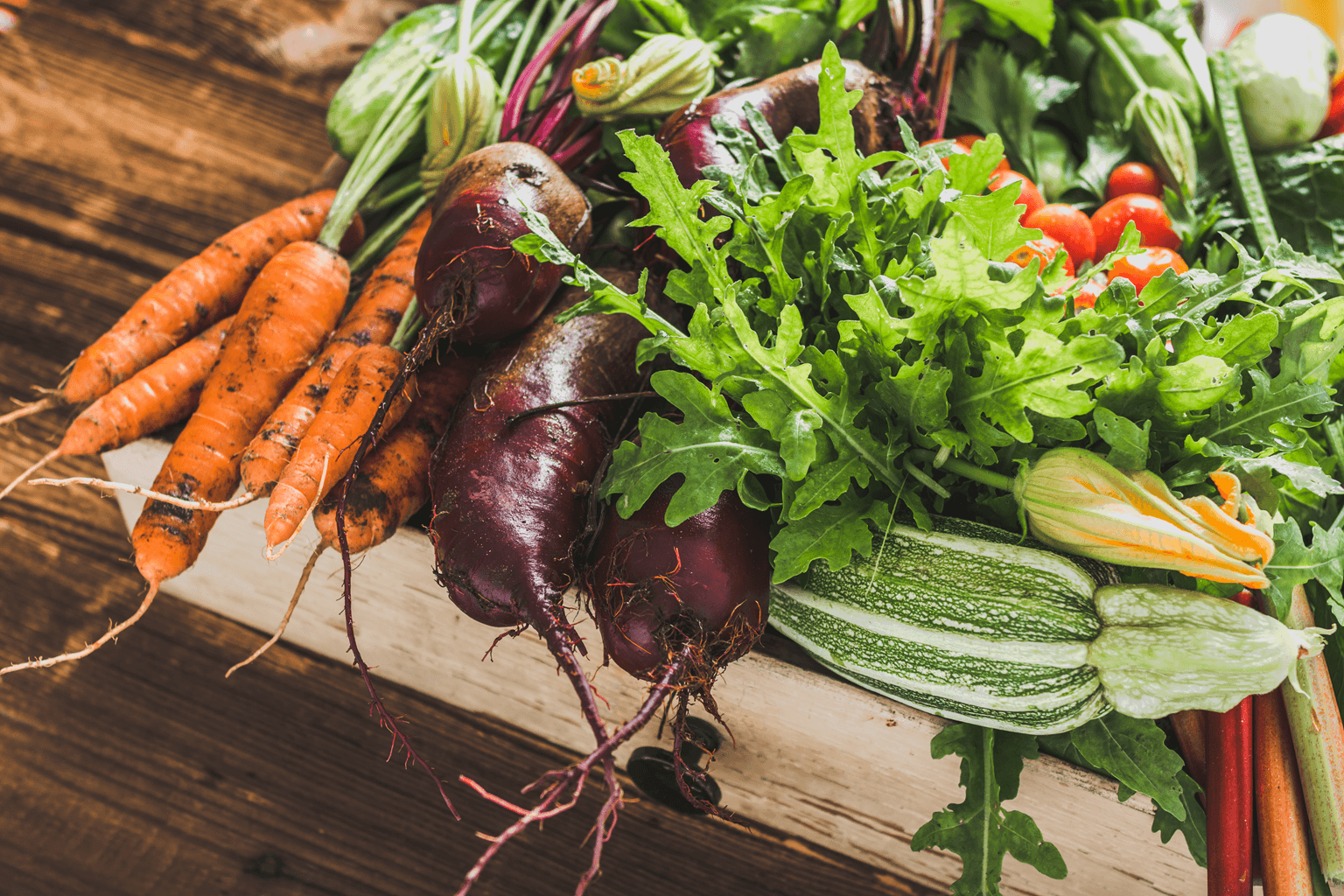
Eating local produce offers several advantages beyond just freshness and taste. One of the key benefits is a shorter supply chain, which means your food passes through fewer hands before it reaches your table.
This can significantly lower the chance of contamination compared to imported produce that travels long distances and goes through multiple processing steps. Additionally, local farmers often take pride in maintaining higher quality and safety standards for their crops, giving you greater confidence in what you’re eating.
“Another important aspect is that local produce is typically harvested at peak ripeness, which not only enhances flavor but also preserves more nutrients,” says Dr. Singh. “The quicker turnaround from farm to table means your fruits and vegetables retain their natural goodness.”
Visiting farmers’ markets is an excellent way to support local farmers and access fresh, seasonal produce. By choosing local options, you’re also reducing the environmental impact associated with long-distance transportation, such as the use of fossil fuels.
How to protect yourself from cyclosporiasis
Properly handling produce is key to reducing the risk of foodborne illnesses like cyclosporiasis. Start by rinsing fruits and vegetables under cold running water, even if you plan to peel them. For items with firm surfaces, such as cucumbers or melons, use a clean produce brush to scrub away dirt. Avoid using soap or chemical cleaners, as they are not intended for food and can leave harmful residues.
When preparing meals, keep raw produce separate from raw meat, poultry or seafood to prevent cross-contamination. Use clean cutting boards, utensils and countertops for each type of food and wash them thoroughly after use. Refrigerating perishable items, such as berries and leafy greens, can also help maintain their freshness and safety until you’re ready to eat them.
Good hand hygiene is one of the simplest and most effective ways to reduce the spread of infections. Washing your hands thoroughly with soap and water after using the bathroom, changing diapers and before preparing or eating food helps prevent germs from being transferred from contaminated hands to the mouth. Regular hand washing, along with good food hygiene and proper sanitation, plays a vital role in protecting both you and those around you from illness.
“It’s helpful to stay updated on food safety alerts or recalls for both local and imported produce,” says Dr. Singh. Checking trusted sources for updates ensures that you’re aware of any potential risks tied to specific items.”
By taking these precautions, you can enjoy the full benefits of fresh, nutritious food while keeping your household safe and healthy.