

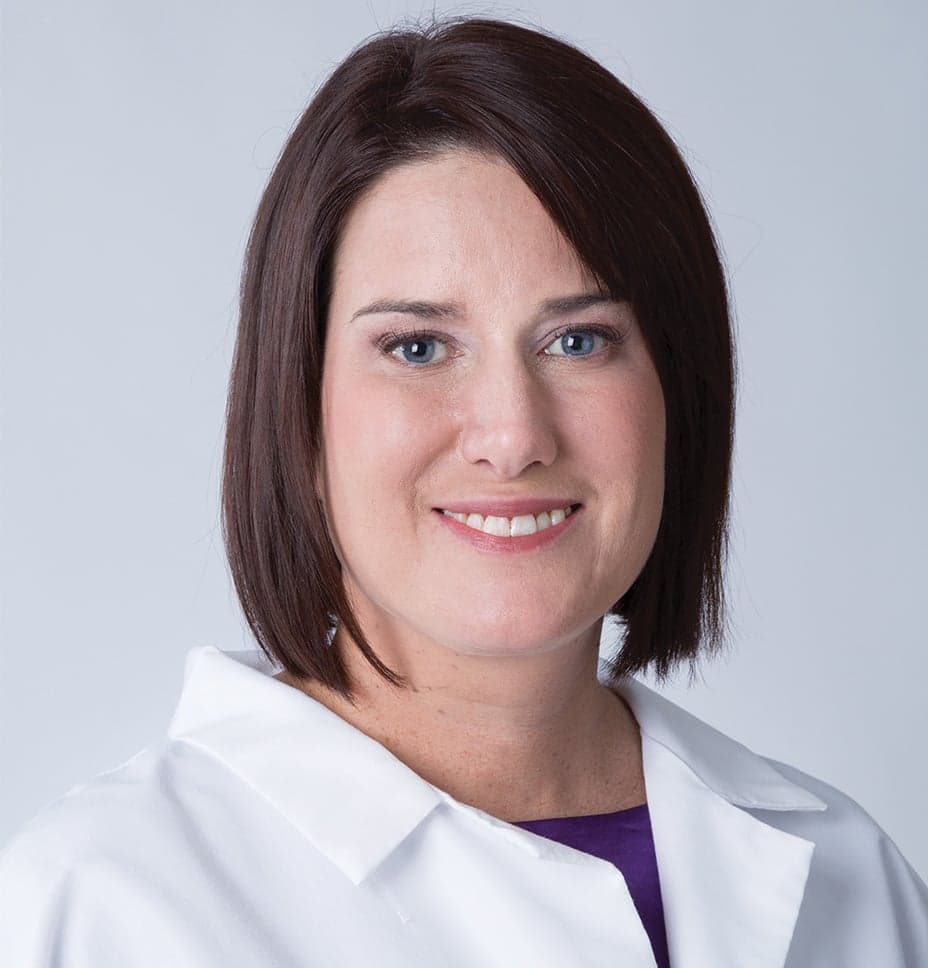
Aderonke Ajala, MD
Cancer Care • Hematology & Oncology • Infusion Services
Measles screening questions are now in place at all Mount Nittany Health outpatient locations. Learn more.

A gynecologic cancer diagnosis can feel frightening and overwhelming, but you do not have to face it alone. At Mount Nittany Health, our gynecologic oncology team provides expert, compassionate care for women navigating every stage of diagnosis and treatment. We are here to guide you with advanced therapies, personalized treatment plans and the kind of support that helps you move forward with confidence and hope
Gynecologic oncology is a medical specialty focused on diagnosing and treating cancers of the female reproductive system, including cervical, ovarian, uterine, vaginal and vulvar cancers, as well as gestational trophoblastic disease. Gynecologic oncologists are physicians who complete a full OB-GYN residency followed by three to four years of specialized fellowship training, making them uniquely qualified to diagnose, stage and treat these cancers through surgery, chemotherapy, radiation therapy and other advanced techniques.
Because gynecologic cancers vary significantly in how they develop, present and respond to treatment, specialized expertise matters. A gynecologic oncologist does not just perform surgery. They lead your entire care team, coordinating every aspect of your diagnosis and treatment to ensure you receive the most effective, personalized care possible.
Gynecologic cancers affect different parts of the female reproductive system, and each type requires a specialized approach to diagnosis and treatment. Our gynecologic oncology team is equipped to diagnose and treat a wide range of these cancers, including:
Gynecologic cancer symptoms can vary depending on the type and stage of the disease, and they are not always obvious in the early stages. Knowing what to look for and acting quickly when something feels off can make a significant difference in diagnosis and treatment outcomes. Common symptoms of gynecologic cancer include:
Not all of these symptoms indicate cancer, but persistent or unusual changes should always be evaluated by a healthcare provider. Early detection significantly improves treatment outcomes for all types of gynecologic cancer.
The exact causes of gynecologic cancers are not fully understood, and a diagnosis can occur without any clear risk factors. However, certain factors are known to increase the likelihood of developing a gynecologic cancer. These include:
Diagnosing gynecologic cancer involves a thorough evaluation to confirm the condition, identify the specific type and determine the most effective course of treatment. Common diagnostic methods include:
Gynecologic cancer treatment is tailored to the individual needs of each patient. Common treatment options include:
If you experience persistent or unusual symptoms such as abnormal bleeding, pelvic pain, bloating or unusual discharge lasting more than two weeks, it’s important to seek care promptly. You should also speak with a healthcare provider if a recent Pap smear or HPV test returned abnormal results, or if you have a family history of gynecologic or breast cancer that may warrant genetic testing for BRCA mutations or Lynch syndrome.
You do not need to wait for symptoms to become severe before seeking care. If something feels off or you are unsure how often you should be screened, a gynecologic oncologist can provide guidance tailored to your age, health history and personal risk factors. Early detection is one of the most powerful tools available in the fight against gynecologic cancer.
Our gynecologic oncology team is here to listen, evaluate your concerns and connect you with the right care quickly. You deserve answers, and we are here to help you find them.
Do not ignore persistent or unusual symptoms. Early detection makes a life-changing difference.
 Cancer Care Providers
Cancer Care • Hematology & Oncology • Infusion Services

Cancer Care • Hematology & Oncology

Hematology & Oncology • Cancer Care

Cancer Care • Hematology & Oncology • Infusion Services

Cancer Care

Cancer Care
Cancer Care • Hematology & Oncology

Cancer Care
 Cancer Care Locations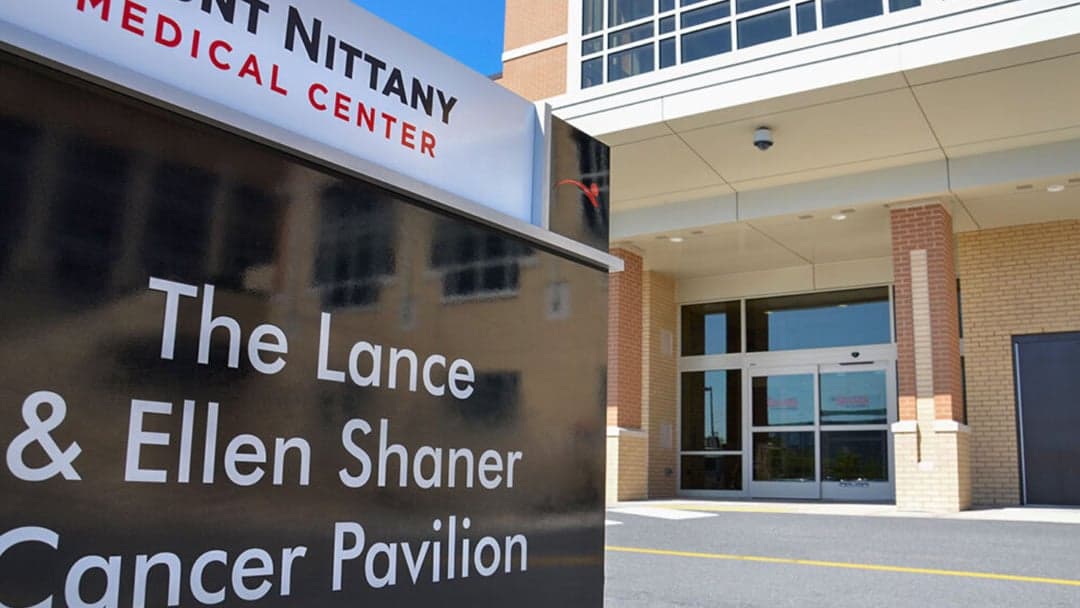
255 Wellness Way State College PA 16803-6702