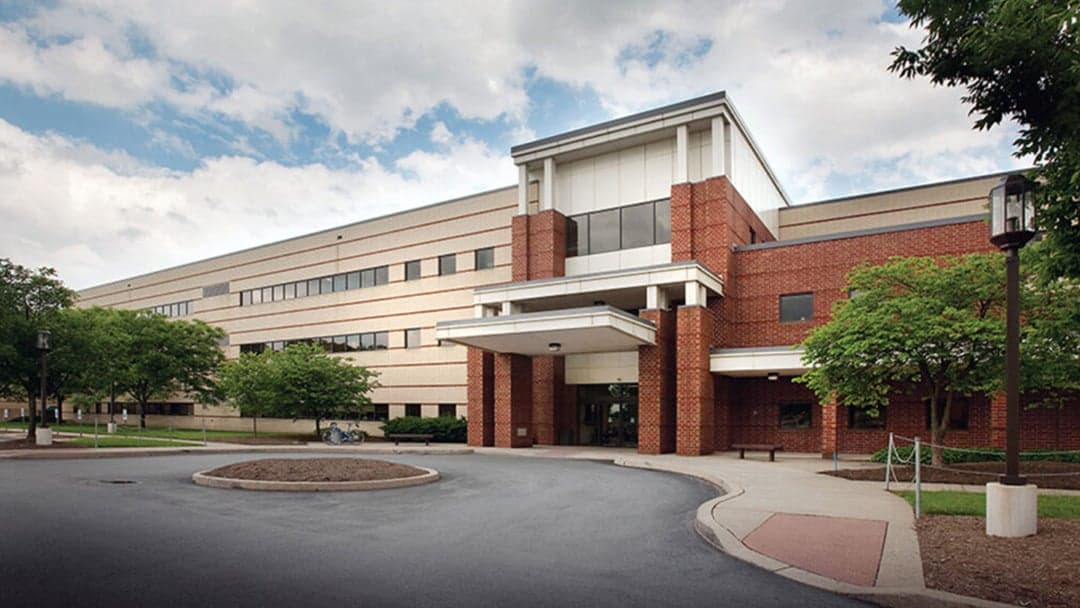
Mount Nittany Health Cardiology - Hospital Drive
143 Hospital Drive Suite 201 State College PA 16803-5500
Measles screening questions are now in place at all Mount Nittany Health outpatient locations. Learn more.

Cardiology

Valvular heart disease happens when one or more of your heart’s four valves don’t open or close the way they should. These valves act like doors, keeping blood moving in the right direction through your heart. When they don’t work properly, your heart has to work harder to pump blood, which can lead to fatigue and other symptoms over time.
Our heart team uses advanced imaging tools like echocardiograms, cardiac MRIs, CT scans and electrocardiograms (EKGs) to understand exactly what’s happening. Depending on your condition, treatment may involve medications, lifestyle changes, minimally-invasive procedures or surgery. Our goal is to help your heart work as efficiently as possible so you can keep doing the things you love.
Valvular heart disease includes any condition that damages or weakens the heart valves. Each valve plays a key role in keeping blood flowing smoothly in one direction. When a valve becomes narrowed (stenotic) or leaky (regurgitant), it can interrupt that flow and strain the heart muscle. Early diagnosis and proper treatment are vital for maintaining heart health and preventing long-term complications.
We offer expert care for a wide range of valve conditions, including:
With a patient-first approach, our cardiology team focuses on accurate diagnosis, personalized treatment plans and compassionate care — because every heartbeat matters.
Valvular heart disease can develop for many different reasons. Some people are born with valve abnormalities (congenital heart defects), while others develop valve damage later in life. Over time, normal wear and tear, infections or other heart conditions can affect how your valves work.
Common causes include:
Symptoms of valvular heart disease can include:
Symptoms can develop slowly or come on suddenly. If you experience any of these warning signs, it’s important to talk with a cardiologist for proper testing and diagnosis.
Seek emergency care right away if you experience:
Getting help quickly can prevent serious complications and protect your heart health.
A clear diagnosis is the first step toward effective treatment. Our cardiology team uses a combination of exams, imaging tests and advanced tools to understand how well your heart valves are working.
Diagnostic methods may include:
By combining these tests, your care team can determine the severity of your valve disease and create a treatment plan tailored to your needs.
We provide advanced treatments designed to improve heart function and quality of life. Our care plans are tailored to each patient’s condition, lifestyle and overall health.
Our services include:
If your condition requires surgery, we work closely with major centers nearby and are able to streamline your access to care. Our specialists work closely with you and your primary care team to ensure you feel supported and informed from diagnosis through recovery.
 Cardiovascular Care Locations
143 Hospital Drive Suite 201 State College PA 16803-5500

3631 Penns Valley Road Spring Mills PA 16875-8011

1061 N Front Street Ste 2 Philipsburg PA 16866-8257
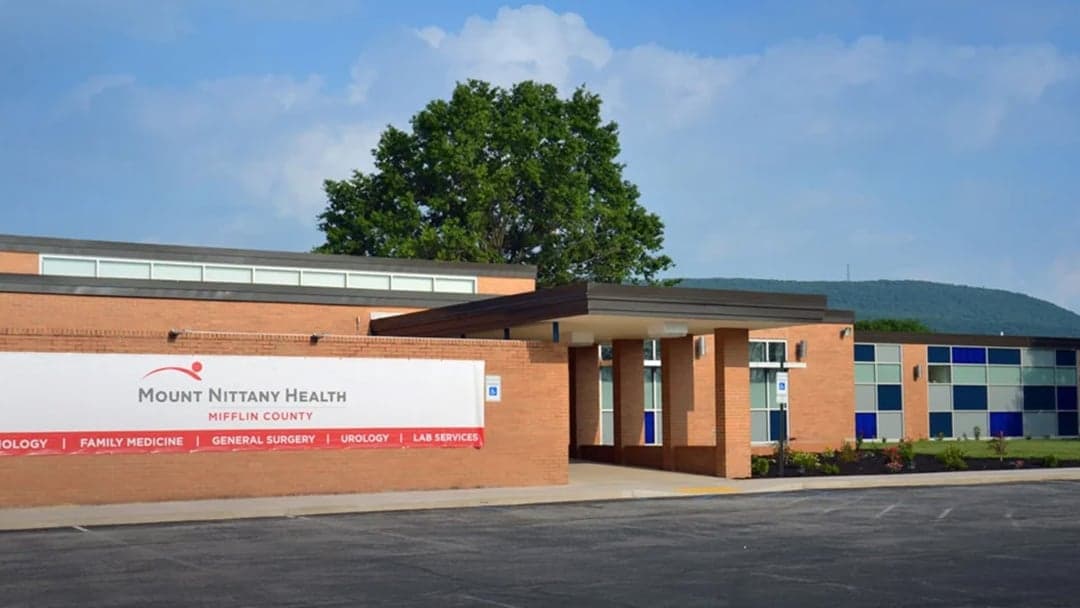
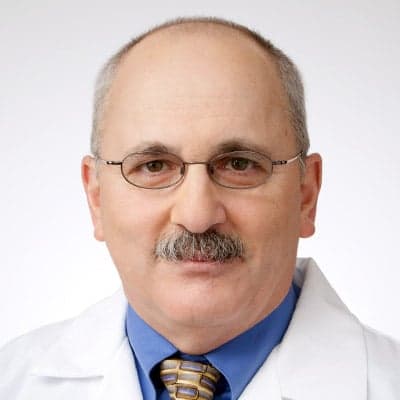
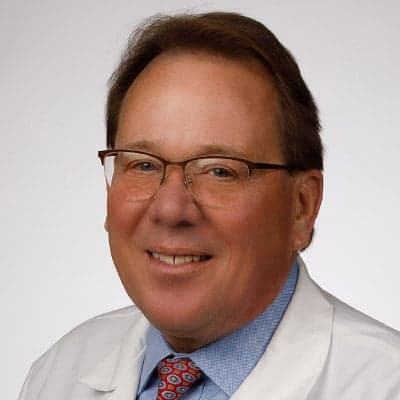
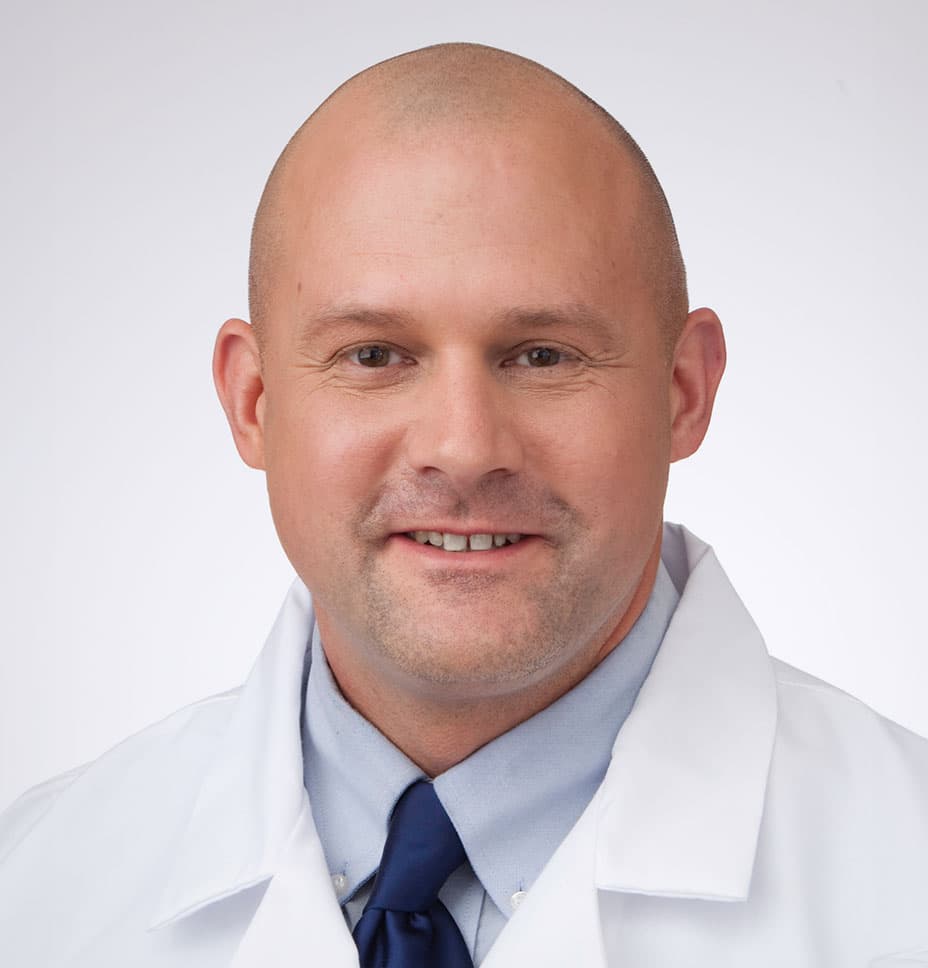
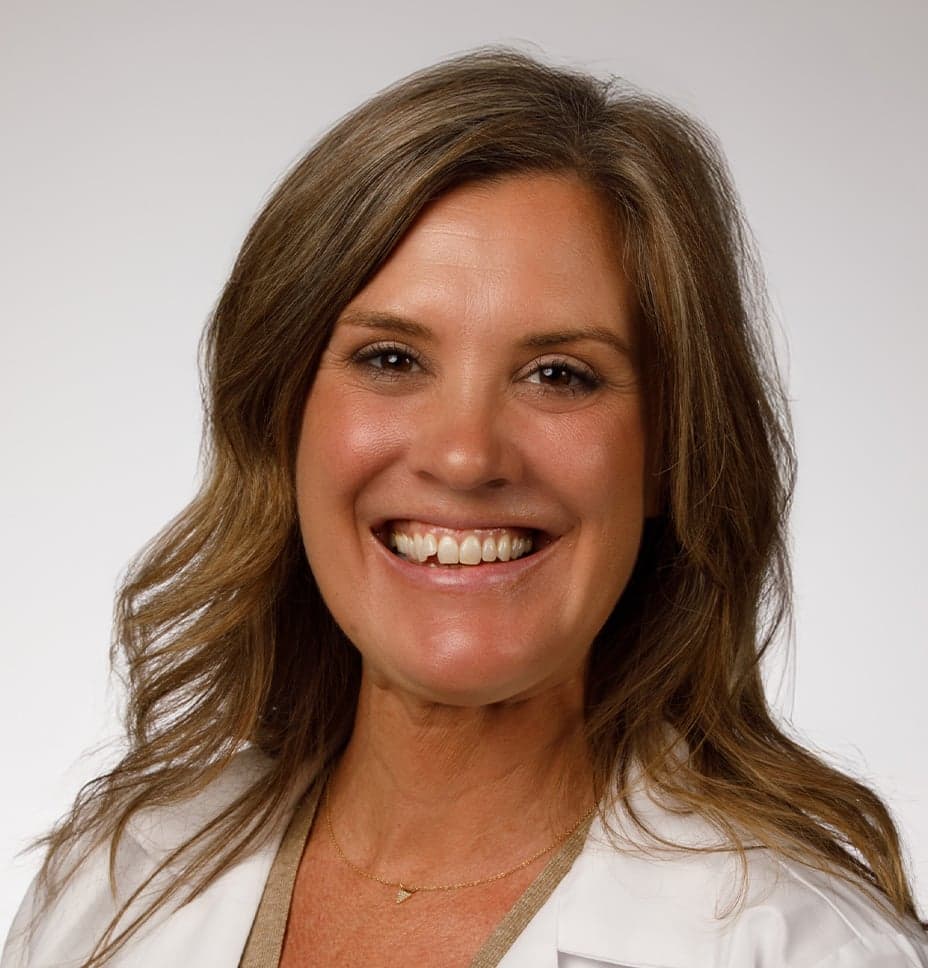
 Cardiovascular Care Providers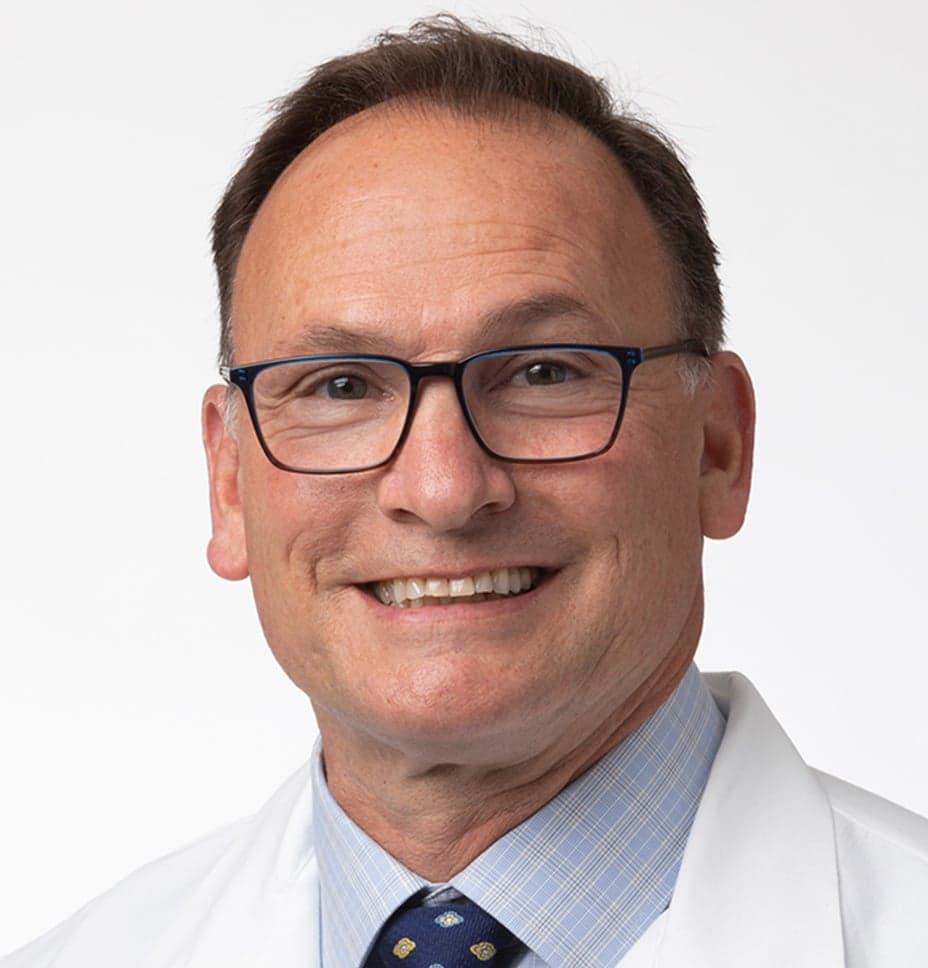
Cardiovascular Care
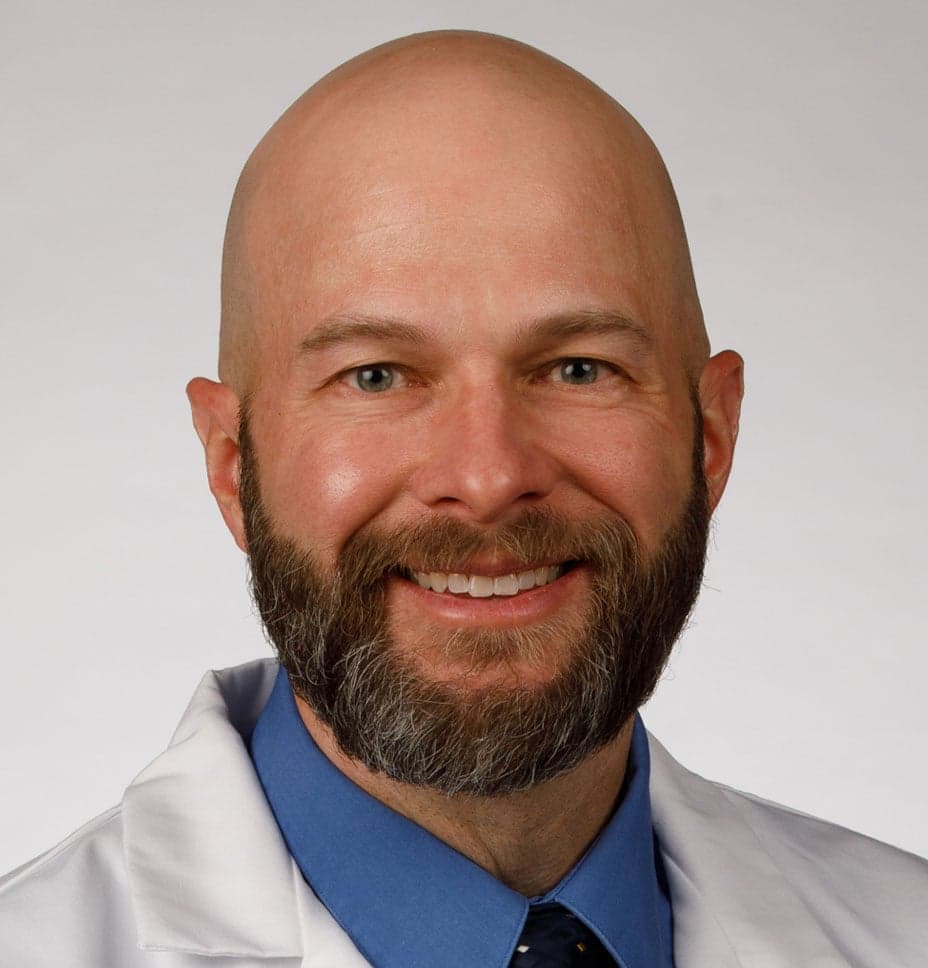
Cardiovascular Care

Cardiovascular Care
Cardiovascular Care
Cardiovascular Care
Cardiovascular Care

Cardiovascular Care
Cardiovascular Care