





What is cardiomyopathy?
Cardiomyopathy is a disease of the heart muscle. It can cause your heart to become enlarged, weakened, thickened or stiff. When this happens, your heart may not pump blood as well as it needs to.
Some people live with cardiomyopathy for years with few symptoms. Others notice changes sooner. How it affects you depends on the type, the cause and how early it’s found. With the right care and support, many people are able to manage cardiomyopathy and continue doing the things they enjoy.
Causes of cardiomyopathy
In many cases, the exact cause of cardiomyopathy isn’t known. When a cause can be identified, it may include:
- Genetic factors, meaning the condition runs in your family
- Long-standing high blood pressure that forces your heart to work harder
- Heart valve disease or a prior heart attack
- Viral infections that affect the heart muscle
- Chronic alcohol use or certain drugs including some chemotherapy medications
- Metabolic conditions such as thyroid disease
- Pregnancy-related changes in rare cases
Your cardiologist will work with you to understand what may be contributing to your condition and how that affects your treatment.
Signs and symptoms of cardiomyopathy
Symptoms can range from mild to more noticeable and may change over time. You may experience:
- Shortness of breath during activity or when lying down
- Feeling tired or having less energy than usual
- Swelling in your legs, ankles, feet or abdomen
- Chest pain or discomfort
- Dizziness or lightheadedness
- A fast, fluttering or pounding heartbeat
- Fainting or feeling like you might faint
Some people do not have symptoms right away. Regular checkups are important, especially if you have a family history of heart disease or other risk factors.
When to call a doctor
Call a doctor if you notice new symptoms or if existing symptoms get worse. This includes increased shortness of breath, swelling or chest discomfort. Get emergency care right away if you have chest pain, fainting or severe trouble breathing.
Complications of untreated cardiomyopathy
Without treatment, cardiomyopathy can lead to serious health problems including:
- Heart failure when the heart cannot pump enough blood
- Irregular heart rhythms which can raise the risk of stroke
- Blood clots that may travel to the brain or other organs
- Sudden cardiac arrest in severe cases
Finding cardiomyopathy early and following a care plan can greatly lower your risk of complications.
Diagnosing cardiomyopathy
To diagnose cardiomyopathy, your cardiologist will ask about your symptoms, health history and family history. A physical exam is often followed by tests such as:
- An echocardiogram to look at your heart’s structure and movement
- An electrocardiogram (ECG or EKG) to check heart rhythm
- Cardiac MRI or CT scan
- Blood tests
- Stress testing
- Genetic testing in some cases
These tests help your care team understand what type of cardiomyopathy you have and how well your heart is working.
Treatments for cardiomyopathy
Your treatment plan will be based on your specific needs, the type of cardiomyopathy you have and how advanced it is. Treatment may include:
- Medications to help your heart pump better, control blood pressure, reduce fluid buildup or steady heart rhythm
- Lifestyle changes such as heart-healthy eating, gentle physical activity and limiting alcohol
- Medical devices like pacemakers or implantable cardioverter-defibrillators (ICDs) for certain rhythm problems
- Procedures or surgery to correct underlying heart issues such as valve disease
- Advanced care options including transplant evaluation for severe cases
Your cardiology team will partner with you every step of the way. The goal is to ease symptoms, protect your heart and help you live as fully and comfortably as possible.
 Cardiovascular Care Providers
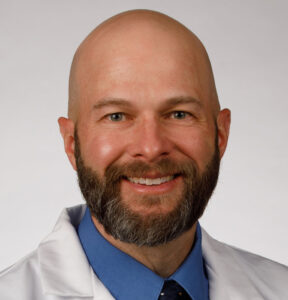
Alexander Szymanski, MD
Cardiovascular Care
 4.9
4.9
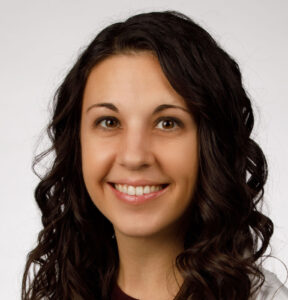
Allison Saal, PA-C
Cardiovascular Care
4.7
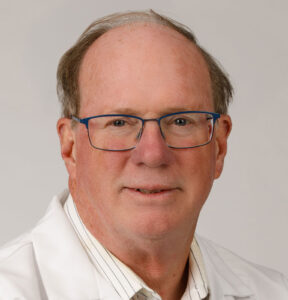
Charles Nydegger, MD
Cardiovascular Care
4.7

Christopher Jones, MD
Cardiovascular Care
4.9

Christopher Kocher, MD
Cardiovascular Care
4.9

James Gerardo, MD, PhD
Cardiovascular Care
4.8
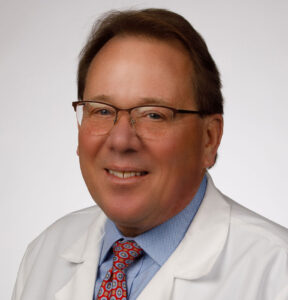
Jeffrey G. Eaton, MD
Cardiovascular Care
4.9

Jennifer Illig, PA-C
Cardiovascular Care
4.9
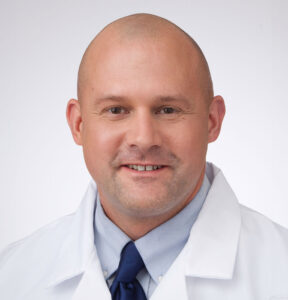
Kip M. Peeler, PA-C
Cardiovascular Care
4.8
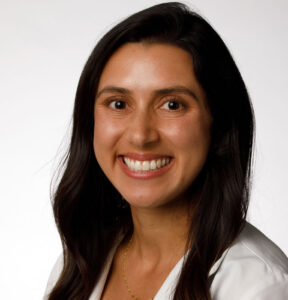
Nicole Wolfe, PA-C
Cardiovascular Care
4.8

Albert R. Zoda, MD, FACC
Cardiovascular Care
5
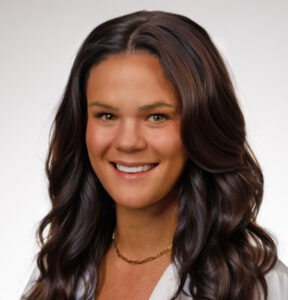
Priscilla Weaver, CRNP
Cardiovascular Care
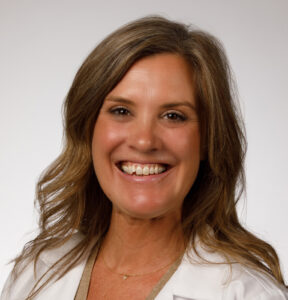
Julie Parker, CRNP
Cardiovascular Care
 Cardiovascular Care Locations