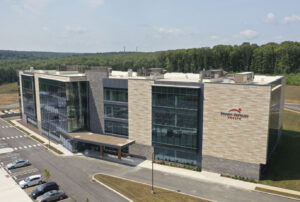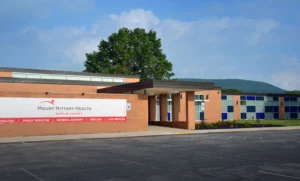





Mount Nittany Health is committed to improving lives through advanced stroke care tailored to your needs. We have caring professionals and the latest treatments. We’re here to make sure you get the best care at every step.
If you or someone you know may be experiencing stroke symptoms, call 911 immediately.
What is a stroke?
A stroke happens when blood supply to the brain is either blocked or a blood vessel bursts, causing damage to brain cells.
Strokes fall into a few main categories, each involving a different problem with blood flow to the brain. These include:
- Ischemic stroke, which happens when a blood vessel supplying the brain becomes blocked — often by a clot or a buildup of plaque. This blockage prevents oxygen‑rich blood from reaching brain tissue, causing cells to die within minutes.
- Hemorrhagic stroke, which occurs when a weakened blood vessel ruptures and bleeds into or around the brain. This bleeding increases pressure inside the skull and damages surrounding tissue. Hemorrhagic strokes are often linked to high blood pressure or aneurysms.
- Transient ischemic attack (TIA), sometimes referred to as a “mini‑stroke,” happens due to temporary blockages. These blockages clear up on their own but lead to short, stroke-like symptoms that go away in minutes or hours. Although they don’t cause permanent damage, TIAs are critical warning signs of a future stroke.
Some strokes can cause temporary or permanent disability. This depends on how fast treatment is given and which brain area is affected. Rehabilitation is key for helping people recover mobility, speech and independence after a stroke.
Signs of a stroke
Acting quickly is critical, and knowing the signs can make all the difference. The BE FAST acronym is a simple tool to identify stroke warning signs:
- B alance: Sudden loss of balance or coordination
- E yes: Trouble seeing in one or both eyes
- F ace: Facial drooping or uneven smile
- A rms: Weakness or numbness in one arm
- S peech: Slurred or difficulty speaking
- T ime: Immediate action and a call to 911
Stroke risk factors
Early detection and prevention give patients the knowledge and tools they need, helping them make informed health choices. We use advanced technology and a dedicated care team to spot stroke risk factors. Then, we put proactive strategies in place to protect brain health.
These include:
- High blood pressure: A leading cause of strokes that can damage blood vessels over time.
- Atrial fibrillation: An irregular heartbeat that increases the chance of blood clots.
- High cholesterol: Excess cholesterol can lead to plaque buildup, restricting blood flow.
- Diabetes: Elevated blood sugar can damage blood vessels, raising stroke risk.
- Smoking: A significant risk factor, as it harms the cardiovascular system.
Diagnosing stroke
Advanced diagnostic tools play a central role in identifying a stroke quickly and accurately. Clinicians rely on imaging scans and neurological assessments to determine what type of stroke is occurring and how severe it is, which guides urgent treatment decisions.
A stroke diagnosis test may include:
- Imaging scans such as CT or MRI to visualize brain structures and detect bleeding or blockages
- Neurological exams to assess cognitive function, reflexes, coordination and muscle strength
- Vascular imaging to evaluate blood vessels for clots or narrowing
- Laboratory tests to rule out other conditions and identify contributing factors
Treatment options for stroke
Early intervention techniques are key to minimizing complications and improving outcomes. Specialized care teams work together to create treatment plans for each patient. They focus on individual medical needs and goals. New research is pushing forward stroke therapies, bringing hope for better recovery and a higher quality of life.
Common treatments include:
- Clot-busting medications: Administered for ischemic strokes to dissolve clots quickly.
- Mechanical thrombectomy: A minimally invasive procedure to remove a blood clot.
- Rehabilitation therapies: Physical, occupational and speech therapies to regain function and mobility.
- Lifestyle guidance: Personalized care plans to manage risk factors and promote long-term health.
Don’t wait to take control of your health. Learn more about how Mount Nittany Health provides expert stroke care and prevention.
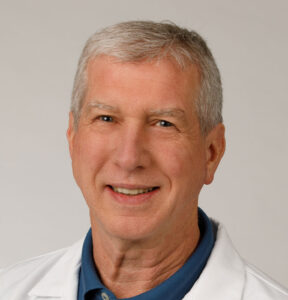
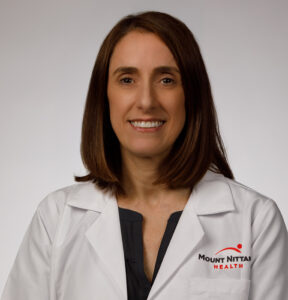
 Neurology Providers



 Neurology Locations