Lifestyle and Wellness
The growing health threat of antimicrobial resistance
November 18, 2026
5 min read
Key takeaways:
- Antimicrobial resistance makes infections harder to treat.
Antimicrobial resistance happens when germs adapt and medicines become less effective, which can make common infections more difficult to cure and increase the risk of complications for both individuals and communities. - Misusing antibiotics speeds up resistance.
Taking antibiotics when they are not needed, skipping doses, not finishing a prescription and improper disposal all contribute to resistance. Infection prevention, safe medication use and good hygiene all play an important role in slowing its spread. - Smart antibiotic use and prevention protect everyone.
Antimicrobial stewardship, rapid diagnostics, infection prevention and patient education all help ensure antibiotics are used safely and effectively. Patients can help by following prescriptions exactly, staying up to date on vaccines, washing their hands and asking questions about their care.
Antimicrobial resistance happens when germs like bacteria and viruses adapt, making medicines less effective at treating infections. This can make common illnesses harder to cure and increases the risk of complications. The problem impacts not only individual patients but also public health as a whole, creating challenges for families, communities and healthcare systems.
Understanding antimicrobial resistance
Why do infections become harder to stop? Microorganisms like bacteria and viruses are always changing. They can change in ways that protect them from antibiotics or other treatments. This resistance can develop naturally over time, but people speed up the process when they use antibiotics too often or in the wrong way.
People of any age can be affected by resistant infections. When common treatments no longer work, whole communities are at risk, not just individuals. This is especially true in healthcare settings, where the spread of resistant germs can affect recovery and treatment success. Addressing antimicrobial resistance takes a shared effort because its effects reach families, hospitals and public health systems around the world.
Using antimicrobials the wrong way or too often can lead to resistance. Taking antibiotics for viral infections like colds or the flu, missing doses or failing to finish a prescribed course can let germs survive and adapt. In agriculture, routine antibiotic use in healthy animals adds to resistance, which can affect humans through the food supply.
Pollution from pharmaceutical waste or untreated sewage also plays a role in resistance by exposing germs to low levels of antibiotics over time. In healthcare and at home, poor infection prevention, such as not washing hands well or not caring for wounds properly, further allows resistant germs to spread. Together, these factors increase the risk of resistance in our communities.
Role of antimicrobial stewardship
Antimicrobial stewardship aims to choose the most effective treatment while limiting harm and resistance. That means choosing the right drug, dose and length of treatment for each infection and patient.
When healthcare providers use antibiotics wisely, they help protect patients from side effects and future resistance. Stewardship programs also help healthcare teams work together, using up-to-date research and local data to guide decisions.
In hospitals, checking patient allergies ensures safer, more effective antibiotic use. Regularly reviewing treatments helps improve care. When appropriate, switching patients from IV to oral antibiotics reduces risks and makes them more comfortable. In clinics, providers should prescribe antibiotics only for bacterial infections, with a few specific exceptions.
Providers can teach you about the dangers of overusing antibiotics and record your detailed allergy history to guide safer treatment choices. When they prescribe the right dose for the right length of time, they prevent your needless exposure to antibiotics. By following these practices, healthcare teams in hospitals and clinics can support better outcomes and help reduce the spread of resistance.
Advancing care with diagnostics, stewardship and infection prevention
Rapid tests help care teams quickly find the cause of an infection so they can choose accurate, targeted treatment. Antibiograms, updated each year, show how well antibiotics work locally. They help providers make informed choices that improve care and reduce unneeded antibiotic use. Together, these tools help teams tailor treatment to each patient and improve outcomes.
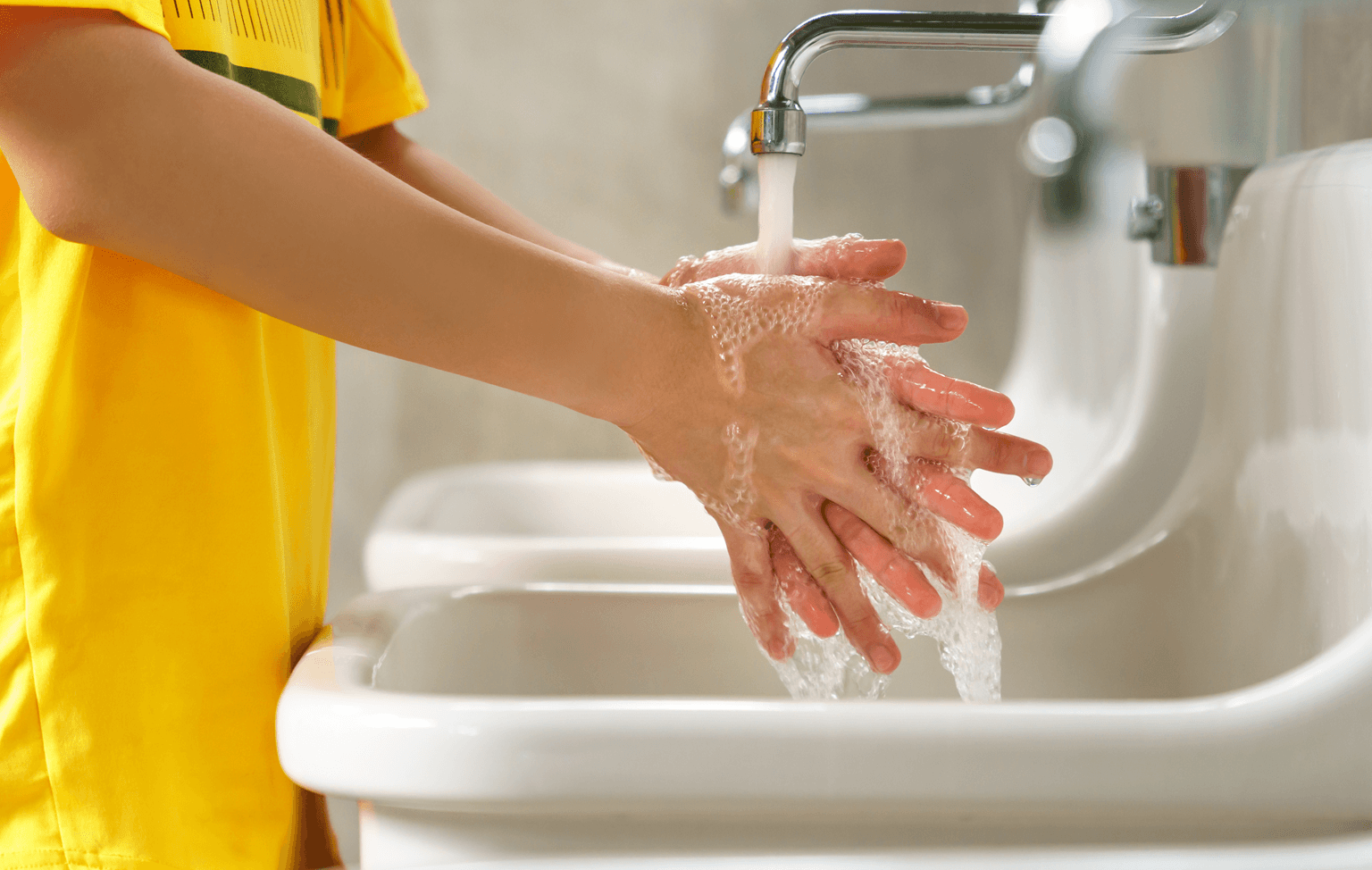
Preventing and controlling infections is central to this effort. Proper handwashing, protective equipment and thorough cleaning of medical spaces help stop resistant germs from spreading. Isolating patients when needed and teaching staff and visitors how to prevent infections create a safer environment for everyone. By spotting risks early and acting quickly, healthcare teams can greatly reduce the chances that resistant infections will spread within the community.
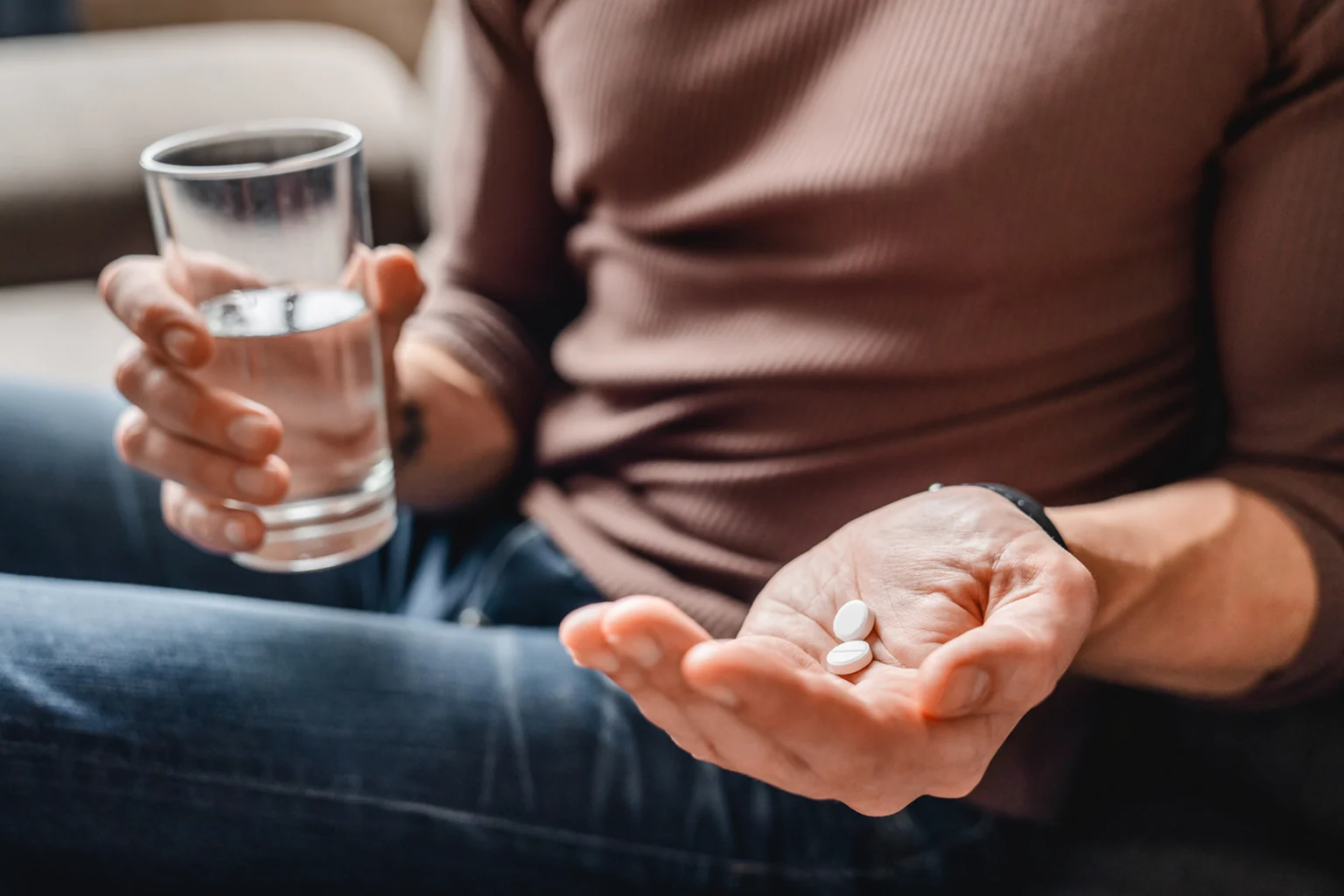
You can help combat antimicrobial resistance by taking antibiotics only when your healthcare provider prescribes them and using them exactly as directed. Do not skip doses, save leftover medication or share antibiotics with others. You can also help prevent infections by washing your hands regularly, staying up to date on recommended vaccines and following your care team’s instructions when you are sick.
Proper disposal of unused antibiotics also helps prevent accidental exposure, environmental contamination and antimicrobial resistance. Use a drug take-back program when available or contact your local pharmacy for safe disposal recommendations.
When you ask questions, understand your treatment plan and work closely with your provider, you help protect your own health and support the safe, effective use of antibiotics for everyone.