Cancer Care
Breast cancer in men
October 6, 2026
6 min read

Key takeaways:
-
Men can get breast cancer too.
Breast cancer is less common in men, but it is still possible because men have breast tissue. Greater awareness can help reduce stigma and encourage earlier detection.
2. Knowing the risk factors and symptoms matters.
Family history, gene mutations like BRCA2, age, alcohol use, excess weight and certain health conditions can increase risk. Symptoms such as lumps, swelling, nipple changes, discharge or chest tenderness should not be ignored.
3. Early diagnosis and open conversation can improve outcomes.
Getting unusual changes checked early can help prevent delays in diagnosis and treatment. Talking openly about male breast cancer helps create a more informed, supportive community and makes it easier for men to seek care.
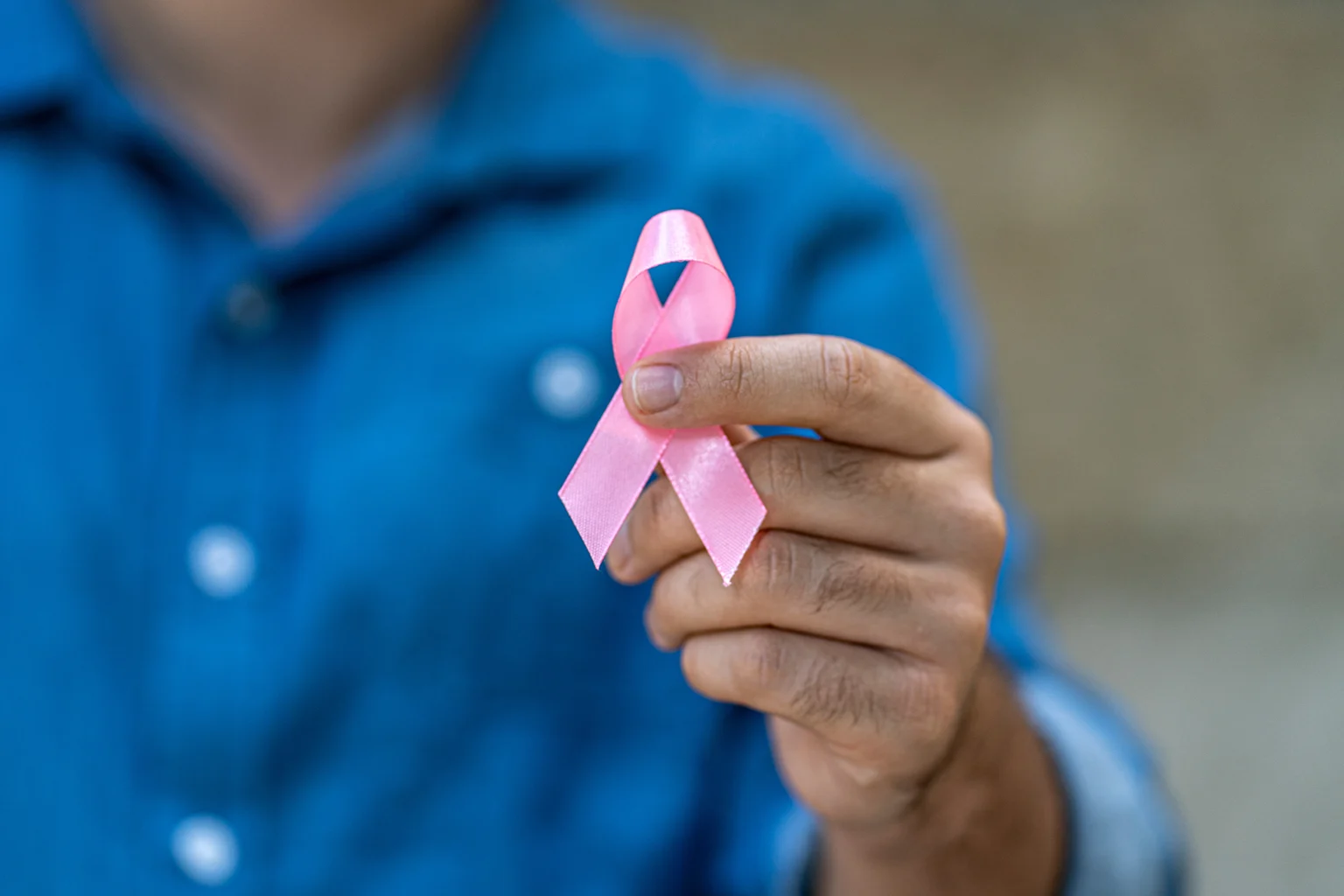
When people think of breast cancer, they usually think of it as a women’s health issue, leading many to wonder, “Can men get breast cancer too?” The reality is, men also have breast tissue, and that means they can develop breast cancer. Although it’s less common in men, it’s still something to be aware of.
“One key difference is that many men don’t realize they’re at risk, which can lead to delays in getting checked out if symptoms appear,” says Michael Lunski, MD, a hematologist and oncologist at Mount Nittany Health. This can allow the cancer to grow and spread before treatment, which is why education and awareness are so important.” By talking openly about breast cancer in men, we can help reduce stigma and encourage earlier detection.
Whether it’s spotting unusual changes in the chest area or learning about risk factors, understanding that breast cancer doesn’t discriminate by gender is the first step in creating a more supportive and informed community. It’s not just about healthcare — it’s about breaking down barriers and making sure everyone gets the care they need.
Causes and risk factors
Breast cancer in men can be linked to several factors that are worth knowing about. Genetics often play a big role, especially if there’s a family history of breast cancer or inherited gene mutations like BRCA2.
But it’s not all about your DNA — certain lifestyle choices can also affect your risk. “For instance, carrying extra weight can lead to higher estrogen levels in the body, which might increase the chance of developing breast cancer. Heavy alcohol consumption is another factor that can affect your health over time. Even conditions like liver disease can alter hormone levels and raise risks. Age matters, too — most cases are found in men over 60, although it can happen earlier,” says Dr. Lunski.
Being mindful of these risk factors doesn’t mean you need to worry constantly, but it does help to stay aware. Small changes, like maintaining a healthy weight or cutting back on alcohol, can make a big difference for your overall well-being.
Symptoms to watch for
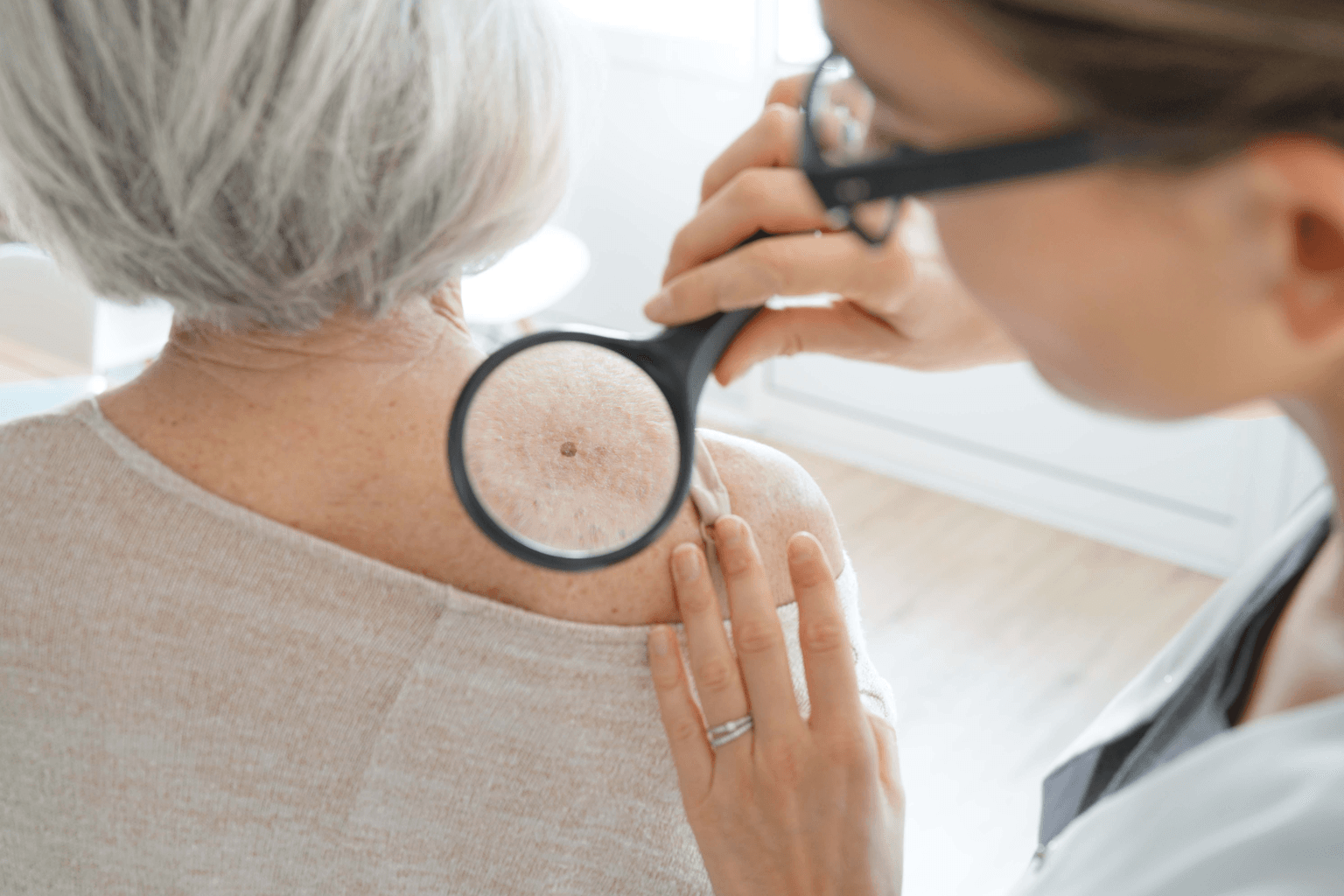
Breast cancer in men can show up in ways that might seem easy to overlook. Pay attention to any lumps or swelling in the chest area, as well as changes to the skin, like dimpling or redness. Another thing to watch for is if your nipple looks different — like if it starts to pull inward — or if you notice discharge that doesn’t seem normal. Even pain or tenderness in the chest could be a sign that something’s not right.
These symptoms might not always mean cancer, but they’re worth checking out. Ignoring unusual changes can delay getting the care you need, so staying aware of your body is important. If you notice anything out of the ordinary, talk to your doctor.
Diagnosis and treatment options
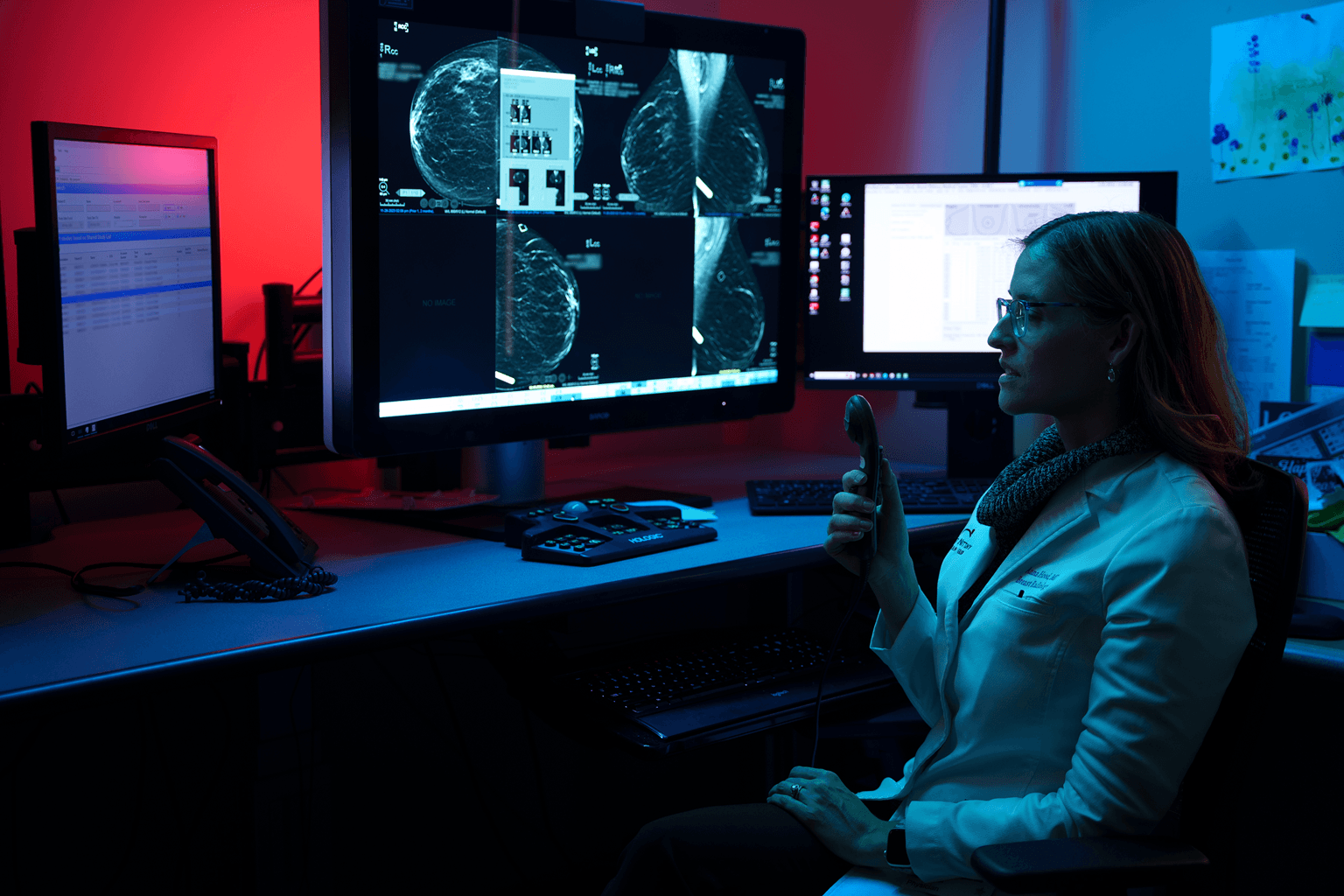
Getting a diagnosis of breast cancer as a man can feel overwhelming, but understanding the process can make it less intimidating. “Doctors often start with a physical exam and imaging tests, like mammograms or ultrasounds, to get a clearer picture of what’s going on,” says Dr. Lunski. “If needed, they’ll perform a biopsy, which involves taking a small sample of tissue to look for cancer cells.”
Once diagnosed, treatment plans are personalized based on factors like the stage of cancer and overall health. Surgery to remove the tumor is common and may be paired with treatments like chemotherapy, radiation or hormone therapy. These approaches work to target the cancer and prevent it from spreading.
Your healthcare team will guide you through each step, answering questions and helping you understand your options. Being proactive about your care is key — whether that means discussing side effects or exploring treatments tailored to your needs, you’ll have support every step of the way.
Living with breast cancer
Navigating life with breast cancer can feel overwhelming at times, but finding ways to take care of yourself both physically and emotionally can make a difference. Staying active, even with gentle exercises, can boost your mood and help with fatigue. Eating well-balanced meals and staying hydrated can support your body during treatment.
It’s also important to listen to your body. Rest when you need to and don’t push yourself too hard. On tougher days, leaning on loved ones or connecting with a counselor can provide comfort and perspective. Many men find strength in joining support groups, where sharing experiences can foster a sense of community and understanding. Remember, adjusting to changes in your routine doesn’t mean giving up — it’s about finding what works best for you and taking things one step at a time.
Breaking the stigma
Breast cancer in men is often misunderstood, and that can make it harder for those affected to seek help or feel supported. Many men face feelings of embarrassment or worry about being judged, but it’s important to remember that cancer doesn’t discriminate. It’s a health issue, not a reflection of who you are.
“Breaking the stigma starts with education and honest conversations. When we talk openly about male breast cancer, we create space for understanding and empathy,” says Dr. Lunski. Sharing personal stories or supporting awareness campaigns can help others feel less alone. The more we normalize these discussions, the easier it becomes for men to get the care they need and feel empowered to take charge of their health.