Cancer Care
What it’s like to be a breast radiologist
October 16, 2026
5 min read
By Anna Hood, MD
Key takeaways
- Breast radiologists do much more than read images.
They play an active role in patient care by explaining findings, answering questions, performing procedures and helping patients understand next steps. - Breast imaging is both highly detailed and deeply collaborative.
Accurate diagnosis depends on careful review of imaging, patient history and prior exams, along with close coordination across the broader breast care team. - Regular mammograms matter.
Screening mammograms can detect breast cancer early, sometimes before symptoms appear, which can make a meaningful difference in treatment and outcomes.
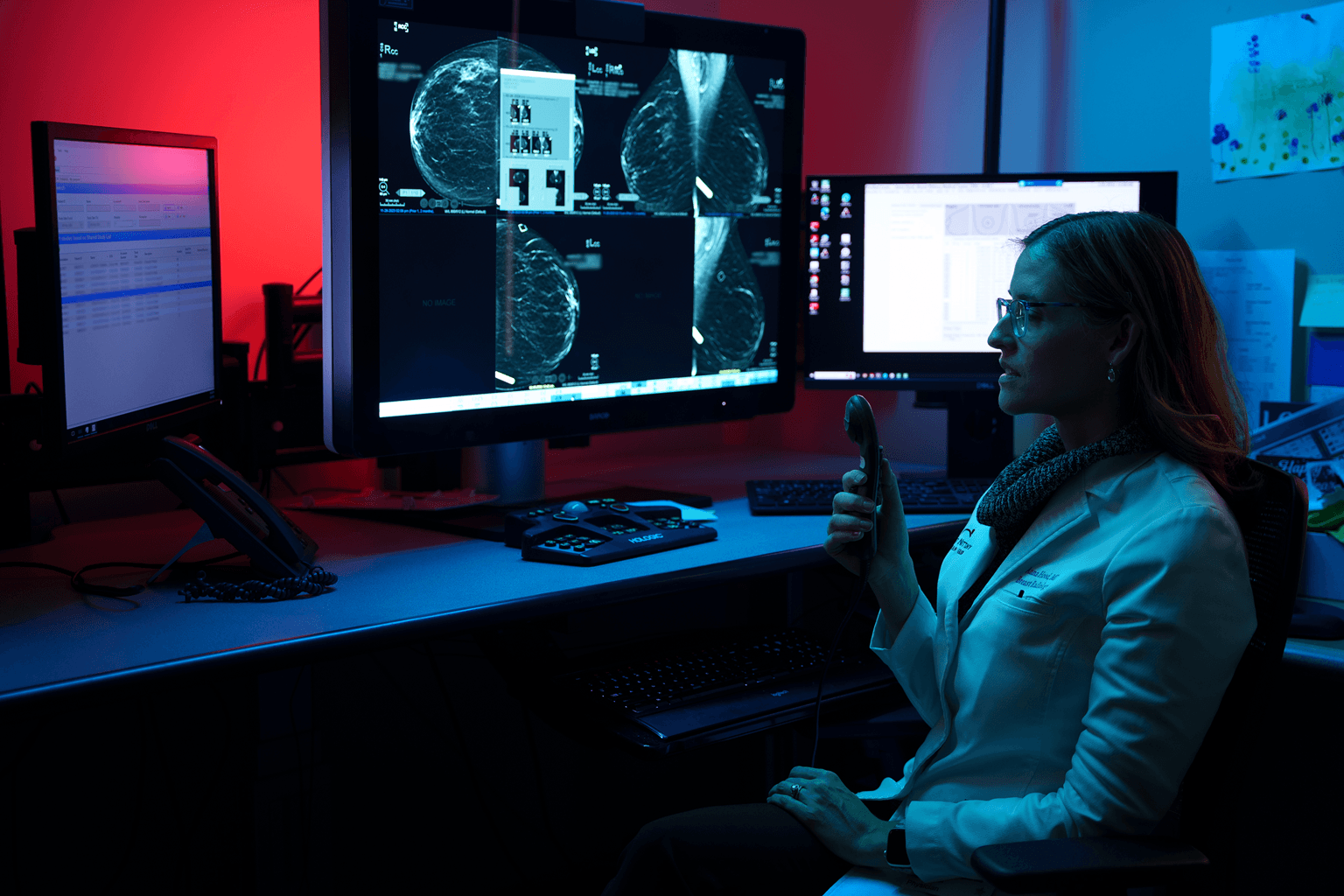
When people hear the word “radiologist,” they often picture someone sitting in a dark room reading images all day. While interpreting mammograms and other breast images is an important part of my work, there is much more to being a breast radiologist than many people realize.
More than reading images
A large part of my role involves caring for patients directly. I spend time talking with patients, explaining what we are seeing on their images, answering questions and helping them understand what comes next. In some cases, that may mean reassuring someone after a normal mammogram. In others, it may mean carefully explaining why additional imaging or a biopsy is needed. I also perform procedures such as biopsies and other image-guided procedures.
One of the most important parts of my work is helping patients through what can be a very stressful experience. Breast imaging often comes with a lot of uncertainty and anxiety, and I see it as my responsibility not only to provide accurate answers, but also to offer support and clarity along the way. That personal connection is one of the most rewarding parts of being a breast radiologist.
The detective work behind breast imaging
Another aspect of the field that may surprise people is how much problem-solving is involved. Breast imaging is often a bit like detective work. We are not simply looking at a mammogram and deciding whether something is breast cancer or not. We are putting together many pieces of information, including a patient’s history, physical findings, prior imaging and what we see on the current exam. Sometimes a finding is clearly benign. Other times, more imaging or a biopsy is the best way to get answers.
Breast care is a team effort
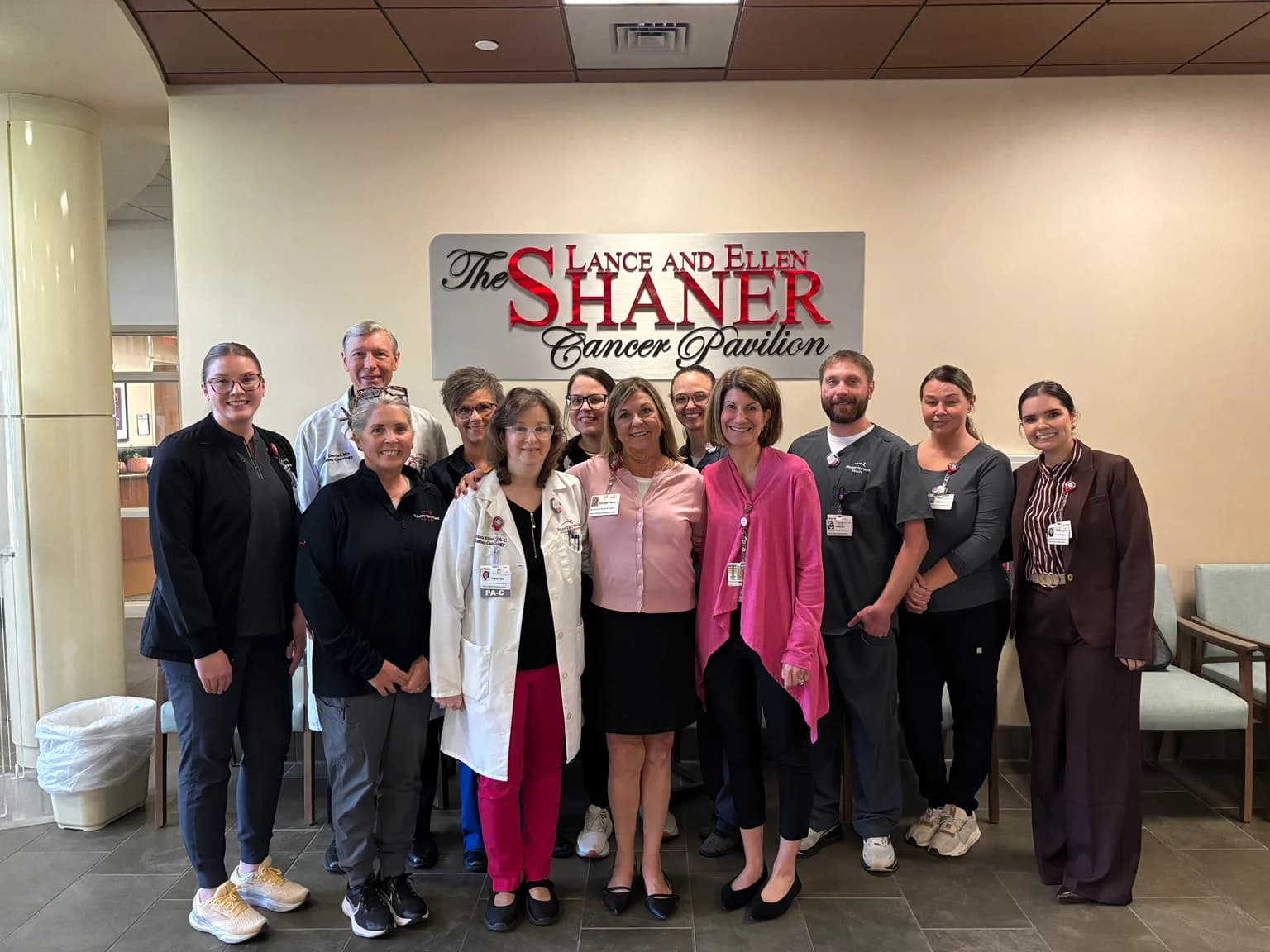
Breast care is also very much a team effort. At Mount Nittany Health, I work closely with our mammography and ultrasound technologists to make sure we obtain the highest-quality images possible so we can make the most accurate diagnosis. I also collaborate with breast surgeons, medical oncologists, radiation oncologists and pathologists through our regularly scheduled breast cancer conference, where we review cases together to help ensure each patient receives the best possible care.
Our breast health nurse navigator, Sara Worden, LPN, BHCN, is also an invaluable part of that process. We work together to help coordinate care, address patient questions and concerns and make sure patients feel supported throughout their breast care journey. That kind of coordinated, compassionate and comprehensive care is incredibly important to me.
Why I chose this field
My path into medicine was shaped by an interest in women’s health and a desire to do work that was both intellectually challenging and meaningful. During my training, I discovered breast imaging and realized it was a wonderful fit. I love the combination of women’s health, imaging, problem-solving, procedures and the opportunity to have meaningful interactions with patients. Even after all these years, I still find it deeply rewarding to use my knowledge and experience to help someone through what can be a very stressful and uncertain time.
A message for patients
If I could offer one piece of advice to patients, it would be simple: don’t put off your mammogram. I understand that mammograms can feel uncomfortable or be anxiety-provoking, and it is easy to keep pushing that appointment farther down the to-do list. But early detection truly matters. We regularly find breast cancers on screening mammograms in patients who have no symptoms at all. In many cases, screening helps detect cancer when it is small and before a person notices any changes themselves. Taking the time to get your mammogram is one of the best things you can do for your health.
What Mount Nittany Health means to me
My experience at Mount Nittany Health has been incredibly rewarding. I feel fortunate to work with such a dedicated group of colleagues, from our technologists and clerical staff to our nurse navigator, supervisor and fellow breast radiologist. I also value the relationships I have built with our broader breast care team. It is meaningful to be part of an organization where everyone is committed to providing high-quality care and where patients remain at the center of all we do.
While I am a native Texan and still miss the sunshine and Tex-Mex food, State College has truly become home. Over the years, I have come to appreciate this community and all it has to offer. I am grateful to be here and to do this work in a place where caring for patients is such a shared priority.