






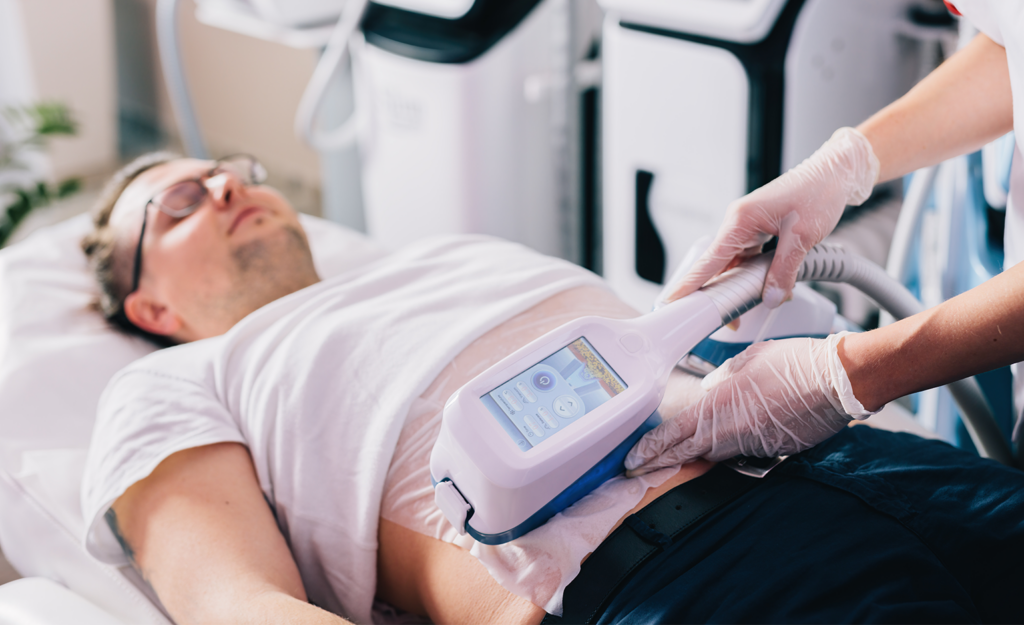
CoolSculpting is a non-surgical treatment designed to target those stubborn areas of fat that don’t seem to budge with diet and exercise. If you’re considering this innovative option to help you feel your best, you might wonder if it’s uncomfortable. Everyone’s experience is unique, but knowing what to expect can help you feel confident and informed.
What to expect during CoolSculpting
Coolsculpting uses controlled cooling technology, called cryolipolysis, to reduce stubborn fat cells in specific areas. “Before treatment, we provide a really thorough consultation,” says Mallory Miller, PA-C, part of Mount Nittany Health’s plastic surgery and aesthetic medicine team. “There is also a consent form to review and sign, which is written very well and helps patients understand the procedure and its possible risks.”
The treatment begins with applying the CoolSculpting device, which creates a suction sensation to maintain contact with the treatment area. “After the first 10 minutes, the body becomes numb and patients don’t feel anything,” Mallory shares. “Each area takes about 35 minutes to treat, followed by a massage. The entire process can take about three hours depending on how many areas we’re treating.”
After the cooling, a massage is performed — for most, this is the most uncomfortable part of the treatment. “The most important thing we do is the massage,” Mallory explained. “Yes, we’re freezing the fat cells, but for 2 to 4 minutes after each treatment area, we perform a massage to manually break up the fat to allow the body to process it.”
At Mount Nittany Health, patient comfort is the priority. “We have a separate room specifically for CoolSculpting patients,” Mallory explained. “We keep them warm and comfortable in a cozy chair. Patients can listen to music or read.”
CoolSculpting recovery time
Following treatment, patients may experience several normal responses:
- Some swelling due to the inflammatory response
- Possible bruising in treated areas
- Temporary numbness or tingling
“A very small percentage of patients — less than 5% — report significant discomfort,” Mallory said. “For these patients, taking Tylenol is usually sufficient for managing the discomfort. While wearing compression garments isn’t required, some patients find it helps reduce swelling more quickly.”
There is minimal downtime after the treatment. “Returning to normal activity depends on what each individual can tolerate,” she continued. “Most patients can resume normal activity right away.”
Preparing for a successful CoolSculpting experience
Knowing what to expect can help make the experience more comfortable. “Walking the patient through everything ahead of time prepares them so they know what they are getting into,” Mallory shared. “We set realistic expectations and remind them during the procedure why they are having it done to help encourage them through the discomfort.”
Before treatment:
- No special preparation is needed
- Wear comfortable clothing
- Set aside adequate time for your session
- Review and sign consent forms
- Ask any questions you may have
During treatment:
- First 10 minutes: Initial cooling sensation
- Middle portion: Area becomes numb
- Final phase: Post-treatment massage
After treatment:
- Return to activities based on your comfort level
- Take Tylenol if needed
- Expect some swelling as part of the natural inflammatory response
- Watch for normal bruising in treated areas
- Follow all post-treatment instructions
“There is a lot of evidence that CoolSculpting really works, and people are really happy with it if they are ideal candidates,” Mallory said. “During your consultation, we’ll discuss your goals and determine if CoolSculpting is right for you. We explain every step of the process, ensuring you feel fully informed and comfortable with your decision.”
Ready to learn more? Schedule a consultation with Mount Nittany Health’s experienced team to discuss your questions and determine if you are an ideal candidate for CoolSculpting.
Plastic Surgery and Aesthetic Medicine
Discover more about Plastic Surgery and Aesthetic Medicine, including locations and providers, at Mount Nittany Health