Specialty Care and Conditions
Essential fall skincare tips for healthy, hydrated skin
October 27, 2026
6 min read

Key takeaways:
-
Fall weather can dry out and irritate your skin, so hydration matters more.
Drinking enough water and switching to richer, more hydrating skincare products can help protect your skin as humidity drops. -
Sunscreen is still essential in the fall.
UV rays are present year-round, so daily broad-spectrum SPF 30 or higher remains an important part of protecting your skin. -
Small seasonal changes to your routine can make a big difference.
Using gentler, more nourishing products, limiting harsh exfoliation and paying attention to ongoing skin concerns can help keep skin healthy through the cooler months. Connect with a dermatologist for specailized evulation and treatment when needed.
As the leaves change color and the air gets crisper, it’s time to give your skin a little extra love. The cooler weather and lower humidity can make your skin feel drier and more sensitive, so adjusting your skincare routine is key. Think of fall as a reset for your skin, an opportunity to refresh and recharge after the summer months.
Importance of hydration
When fall rolls around, your skin tends to lose moisture faster due to the cooler air and lower humidity levels, in addition to dry indoor heat sources at home, work and school. This makes hydration a top priority.
“Drinking enough water throughout the day is one step in maintaining your skin’s natural moisture from within,” says Lorraine Rosamilia, MD, a dermatologist at Mount Nittany Health.
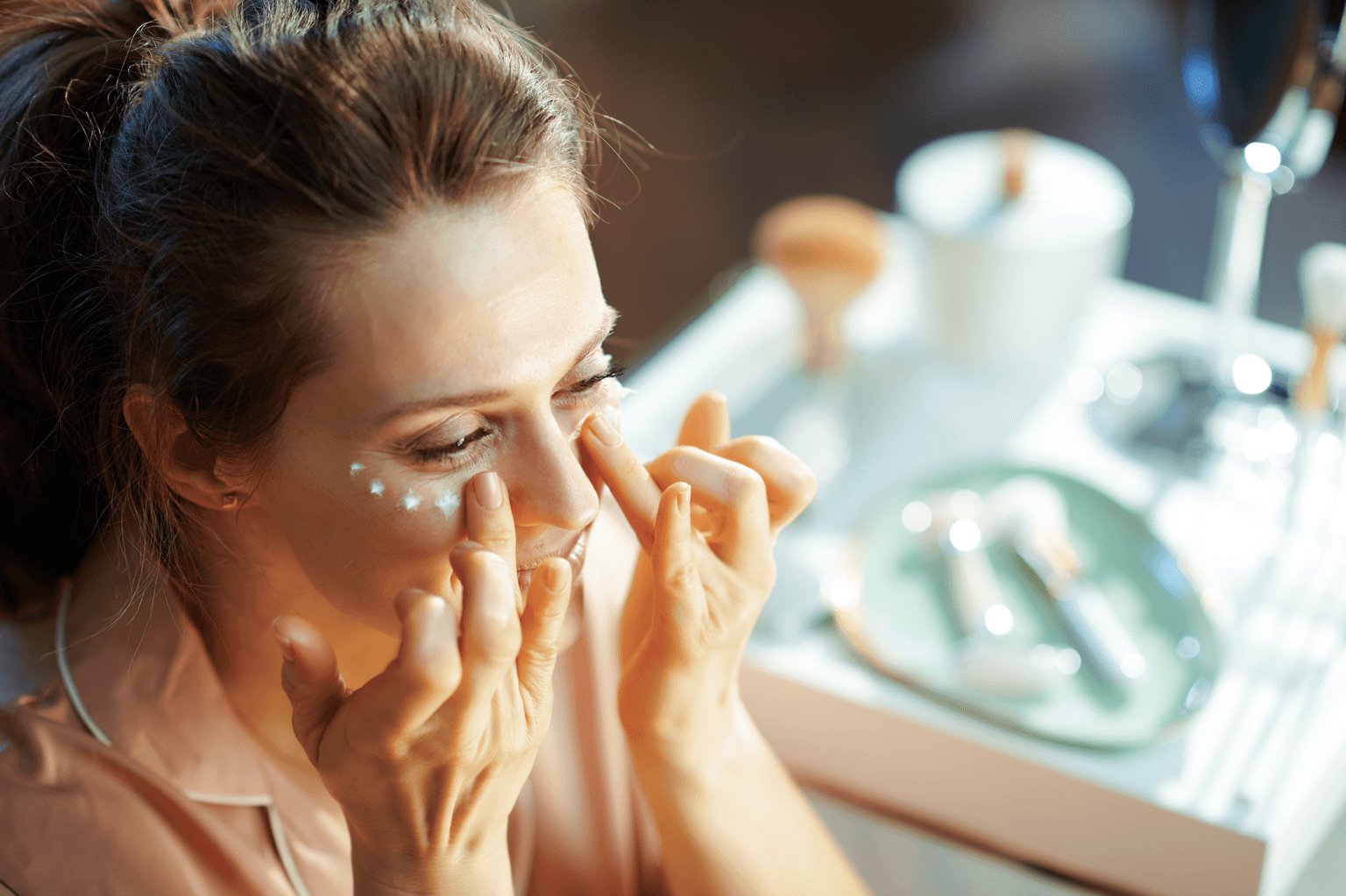
On the outside, a gentle, hydrating moisturizer is your best friend. Look for one with ingredients like glycerin, dimethicone or hyaluronic acid, which work to draw and lock water into the skin.
For an added boost, apply your moisturizer right after cleansing, when your skin is still slightly damp — this helps seal in extra hydration. If you enjoy a very hot shower, then your final rinse should be cooler so you don’t lose your skin’s protective barrier while you steam off. You can also keep a hydrating mist or spray handy during the day for a quick refresh. It’s all about creating that perfect balance to keep your skin happy as temperatures drop.
Don’t skip the sunscreen
Just because the temperatures are dropping doesn’t mean UV rays have taken a break! Sun exposure happens year-round, and those rays can still sneak through clouds, reflect off of snow and ice, and pass through the car, home and work windows, or reflect off surfaces, causing long-term skin damage.
“To keep your skin protected, a broad-spectrum sunscreen with at least SPF 30 is one of the most important fall skincare essentials,” says Dr. Rosamilia. “If you’re spending extended time outside, reapply every two hours. Of course, physical sun protection with hats and protective clothing is always a great option.”
Many daily moisturizers now come with SPF built in, which is a great way to streamline your established skincare routine without skipping this crucial step.
Don’t forget often-overlooked areas like your neck, scalp, ears and the backs of your hands — these spots are just as vulnerable to sun damage. A little effort goes a long way in protecting your skin’s health and maintaining its youthful glow, even on cooler days!
Adjusting your skincare routine
As fall sets in, it’s time to swap out those lightweight summer products for richer, more nourishing options. Cream and ointment-based moisturizers are a great choice; they help combat the dryness that often comes with cooler air.
Think about adding a hydrating serum or facial oil into your routine for an extra layer of moisture. This season is also ideal for introducing products with ingredients like ceramides or niacinamide, which can strengthen your skin barrier and protect against irritation.
“If your skin tends to be sensitive, try simplifying your routine by sticking to gentle, fragrance-free products that won’t aggravate dryness. Some botanical and other fragranced ingredients can even lead to allergic reactions and irritated skin,” says Dr. Rosamilia.
Fall is also the perfect opportunity to check your cleanser — it might be time to move from a gel-based option to a creamier one that won’t strip away your skin’s natural oils. Small tweaks can make a big difference.
Addressing skin concerns
As the seasons shift, it’s normal for your skin to go through changes. Cooler air might lead to dryness, or you might notice breakouts popping up unexpectedly. Instead of ignoring these concerns, take the time to assess what your skin needs right now.
Persistent issues like unusual spots, redness or irritation shouldn’t be overlooked. These could be signs your skin needs medical care. Share your concerns with your doctor. They could advise consulting a dermatologist for specialized evaluation and customized recommendations to address your individual needs.
Gentle exfoliation tips
Exfoliating is a popular step in skincare routines to help keep your skin smooth and glowing, but fall is the time to go easy on your routine. Cooler, drier air can make your skin more sensitive, so if you still want to exfoliate, opt for gentle options that won’t strip away natural moisture. In fact, avoid this step completely when the weather is dry — especially if the skin is stings when you apply a gritty product.
“Look for products with soothing ingredients like oatmeal, which is effective but kind to your skin,” says Dr. Rosamilia. “Aim to exfoliate rarely to avoid irritation.”
If you’re using a physical exfoliant, choose one with fine, nonabrasive particles to prevent microtears. And don’t forget to follow up with a rich moisturizer to replenish your skin and lock in hydration after exfoliating. Keeping it gentle is the key to happy, healthy skin this season!
Diet and skincare
What you eat plays a big role in how your skin looks and feels, especially in the fall. Adding nutrient-rich foods like spinach, sweet potatoes and salmon to your diet can help support your skin’s natural glow. These foods are packed with vitamins, antioxidants and healthy fats that work to keep your skin nourished and resilient against seasonal changes.
Omega-3s, found in fatty fish and walnuts, are especially helpful for combatting dryness. Also, don’t forget about hydrating foods like cucumbers and oranges, which can give your skin an extra boost of moisture.
By making a few adjustments for the season, you’re giving your skin the tools it needs to stay protected, healthy and radiant all year long.