
Health and Wellness
Measles Cases Confirmed in Pennsylvania
August 5, 2026
4 min read
Measles has been on the rise across the U.S, marking a stark reminder of the importance of vaccination and public health vigilance. Experts are calling 2026 the worst year for measles in decades across the country. Mount Nittany Health is closely monitoring the situation and adhering to CDC guidelines to protect our community.
“Vaccination remains our strongest tool to prevent measles outbreaks and safeguard our community,” says Daniel McKinley, MD, Medical Director of Hospital Operations & Quality at Mount Nittany Health.
What is measles and who should get vaccinated?
Measles is a highly contagious virus that spreads through respiratory droplets. Symptoms often take 7 to 21 days to appear after exposure and can include a high fever, cough, runny nose, red eyes and a rash that typically begins on the face and spreads downward
Anyone who believes they may have been exposed should monitor themselves for these symptoms over the next three weeks. It’s important to note that measles is highly contagious, and even brief exposure in shared spaces can lead to transmission in unvaccinated individuals.
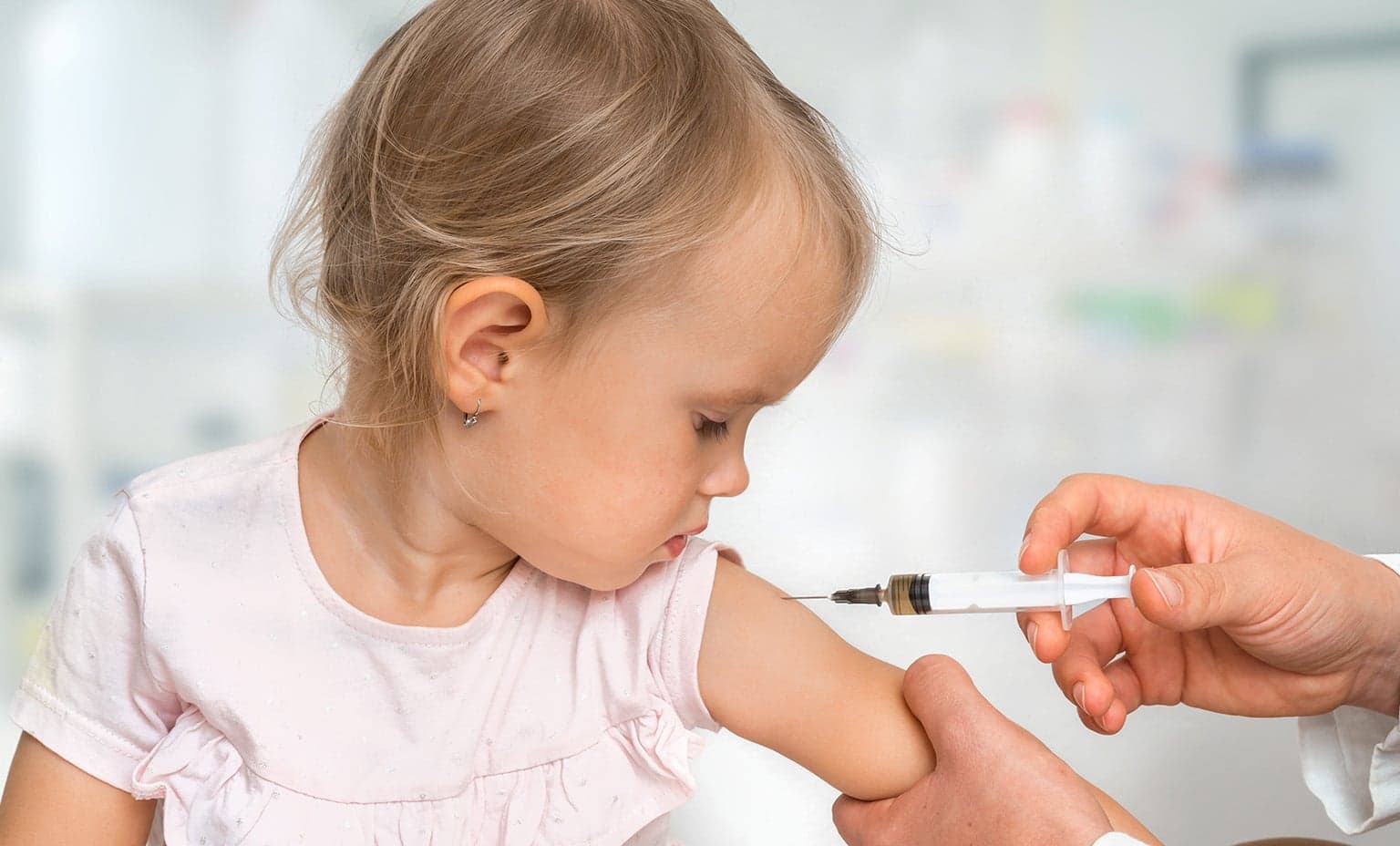
The CDC recommends that all children receive two doses of the measles, mumps and rubella (MMR) vaccine. The first dose is typically given between 12 and 15 months of age, with the second dose administered between the ages of 4 and 6. These vaccinations are over 97% effective at preventing measles. Individuals without proof of two documented MMR vaccines should highly consider getting vaccinated.
If your child has not received the recommended doses of the measles vaccine or if you have not received 2 does of MMR, Mount Nittany Health encourages you to contact your healthcare provider to discuss vaccination options.
Maintaining high vaccination rates within the community is essential to achieving herd immunity, which protects vulnerable individuals, such as newborns and those with compromised immune systems, who cannot receive the vaccine.
“Measles is not just a childhood illness; it’s a serious disease that can lead to complications such as pneumonia, encephalitis and even death. One of every five unvaccinated people who get infected are hospitalized. Vaccination is a simple and effective way to protect yourself, your family and your community,” says Dr. McKinley.
He also highlighted the importance of community immunity. “When vaccination rates drop, we see outbreaks. It’s a stark reminder of how interconnected we all are when it comes to public health. By vaccinating, we’re not just protecting ourselves; we’re protecting those who are most vulnerable.”
Dr. McKinley encourages anyone with questions about the MMR vaccine or concerns about exposure to reach out to their healthcare provider for guidance.
What to do if you’ve been exposed to measles
If you believe you or a loved one may have been exposed to measles, it’s crucial to act quickly. Here’s what to do:
- Contact your healthcare provider immediately: Call ahead to let them know about the possible exposure. This helps prevent further spread within healthcare facilities.
- Monitor for symptoms: Watch for signs of measles, including fever, cough, runny nose, red eyes and rash, for up to 21 days after potential exposure.
- Stay home if symptoms develop: To prevent further spread, avoid public places, including work, school and public transportation, until you’ve spoken with your healthcare provider.
- Vaccinate if appropriate: If you’re unsure of your vaccination status or are eligible for the vaccine, consult your healthcare provider about receiving the MMR vaccine as a preventive measure.
- Inform close contacts: Notify family, friends or coworkers who may have been exposed so they can take precautions and monitor their health.
By taking these steps, we can limit the spread of measles and protect those most at risk.
The recent measles cases in Pennsylvania highlight the importance of staying vigilant about vaccination and public-health practices. Vaccines remain one of the safest and most effective ways to prevent the spread of measles and protect the community as a whole. Together, we can reduce the risk of outbreaks and ensure a healthier future for everyone.
If you or your child are due for a measles vaccine, or if you have concerns about recent exposures, we encourage you to contact your primary care provider to schedule an appointment. Let’s work together to keep our community safe and healthy.