Infectious Disease and Immunization
Measles frequently asked questions
August 12, 2026
4 min read
Measles is a highly contagious disease that can affect anyone, but it is preventable with the right knowledge and tools.
Understanding how measles spreads, its symptoms and how vaccines like the MMR (Measles, Mumps, Rubella) protect us can help keep our families and communities safe.
What are the symptoms of measles?
Measles often starts with cold-like symptoms, including a high fever, cough, runny nose and red, watery eyes. These symptoms typically appear about 7 to 21 days after exposure to the virus.
One of the most recognizable signs of measles is a red or reddish-brown rash that begins on the face and spreads downward to the rest of the body. Small white spots may also appear inside the mouth, known as Koplik spots, which are a key indicator of measles.
The fever can spike as high as 104°F, and symptoms may last for about one week. Measles is more than just a simple rash or fever; it can lead to severe complications if not properly managed.
How is measles spread?
Measles spreads through respiratory droplets when an infected person coughs, sneezes or even breathes. The virus is so contagious that it can linger in the air or on surfaces for up to two hours after the infected person has left the area.
You can catch measles simply by being near someone who is infected, even if you’re not in direct contact with them. This is why vaccination and other preventive measures are critical in stopping the spread of the disease.
What is the measles vaccine?
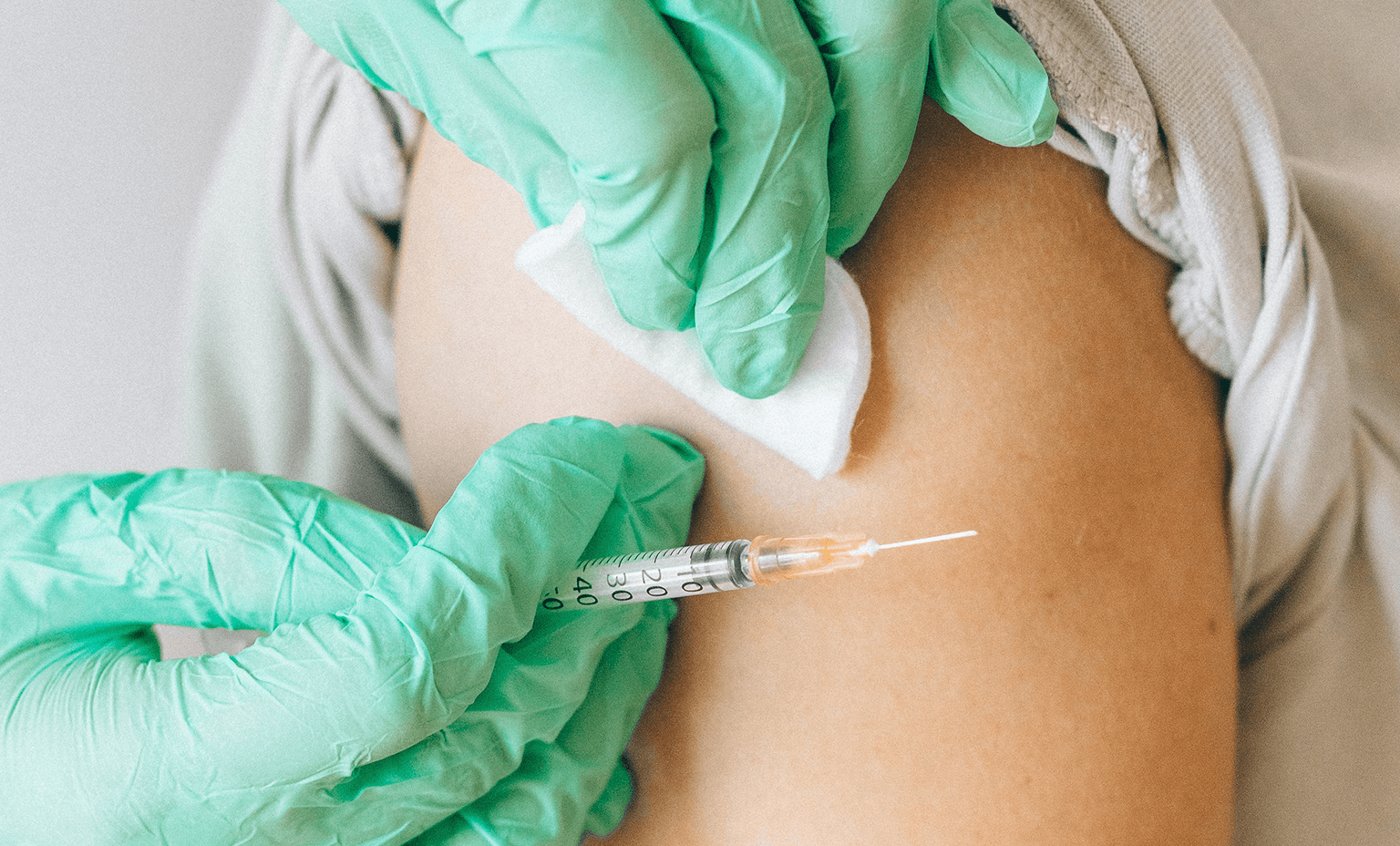
The MMR vaccine is a safe and highly effective way to protect against measles, mumps and rubella. It works by helping your immune system recognize and fight off these viruses if you’re ever exposed to them.
Getting vaccinated doesn’t just protect you — it also protects those around you, especially people who are unable to receive vaccines due to medical conditions. The MMR vaccine is a cornerstone of public health and has saved countless lives since its introduction.
Is the MMR vaccine safe?
Yes, the MMR vaccine is both safe and effective. When given in two doses, it protects against measles with about 97% effectiveness.
Most people experience mild side effects like soreness at the injection site or a low-grade fever. Serious side effects are extremely rare — far less common than the severe complications that can occur from measles itself.
Healthcare providers carefully monitor vaccine safety, and the benefits far outweigh the risks. By choosing vaccination, you’re making a powerful decision to protect yourself, your loved ones and your community.
When is the MMR vaccine given?
The American Academy of Pediatrics (APP) recommends that children receive two doses of the MMR vaccine:
· First dose: At 12 to 15 months of age
· Second dose: At 4 to 6 years of age
Adults who have never been vaccinated or are unsure of their vaccination status should talk to their healthcare provider about getting vaccinated. High-risk groups, such as international travelers and healthcare workers, may need to ensure they are fully protected with two doses.
What is herd immunity?
Herd immunity occurs when enough people in a community are vaccinated, making it harder for measles to spread and protecting those who cannot be vaccinated due to age, allergies or medical conditions.
If you are vaccinated, it is extremely unlikely that you would be able to contract and then infect non-vaccinated community members.
High vaccination coverage is essential to achieve herd immunity. When we all work together to increase vaccination rates, we can prevent measles outbreaks and keep vulnerable members of our community safe.
What are the complications of measles?
Measles is not just a minor illness — it can lead to severe complications, particularly in young children, pregnant women and those with weakened immune systems. Some of the most serious outcomes include:
· Pneumonia: A potentially life-threatening lung infection
· Encephalitis: Swelling of the brain that can cause permanent damage
· Death: Can be fatal, especially in vulnerable populations
Other complications may include ear infections, diarrhea or premature birth in pregnant women. These risks highlight the importance of vaccination in preventing the disease altogether.
Why is it important to get vaccinated?
Vaccination is the most effective way to protect against measles and its complications. By getting vaccinated, you’re not only safeguarding your own health but also contributing to the greater good of your community.
If you have questions or concerns about the MMR vaccine, reach out to your healthcare provider. Together, we can work to prevent measles and build a healthier future for everyone.