Lifestyle and Wellness
The good, the bad and the microbial: A new look at handwashing
August 25, 2026
4 min read

Handwashing is a simple practice that effectively prevents the spread of germs. The skin is covered in microorganisms, but it might surprise you that some of these microbes benefit our overall health.
The skin as an ecosystem
The skin is the largest organ and hosts a vast array of microorganisms. This ecosystem is our skin microbiome. The hands, specifically, are rich in microbial life and house millions of bacteria. Typically, the hand surfaces hold more than 150 unique species-level bacterial phylotypes.
“The composition of this microbial ecosystem varies between individual people and even between an individual’s right and left hands,” says Harsimran Singh, DO, a primary care doctor at Mount Nittany Health. “Age, gender, environment and personal habits impact microbial makeup.”
Resident flora contains microorganisms that reside under the superficial cells of the outermost layer of skin. These stable microbes protect the skin. Transient flora, on the other hand, colonizes the superficial layers of the skin and is more likely to be removed through hand hygiene.
These microbes are often acquired through contact with people, animals or contaminated surfaces. Not all transient microbes are harmful, but they can include harmful pathogenic bacteria. Handwashing removes these harmful transient microbes and impacts the beneficial resident flora.
The delicate balance of hand hygiene
“Every time hands are washed, the composition of hand bacteria changes,” says Dr. Singh. “Certain bacteria become more abundant as time passes after washing, while others are more prevalent on recently washed hands.” Hand washing alters the composition but doesn’t necessarily reduce the overall microbial diversity. The microbial ecosystem is resilient.
Every cough expels 3,000 droplets and every sneeze 40,000 — handwashing is one of the primary defenses against the transmission of pathogens found in these droplets. Hands can carry illnesses and diseases like flu, MRSA and E. coli and the incidence of these is particularly high in healthcare settings. Proper hand washing can significantly reduce the presence of these harmful germs, which is critical in preventing the spread of infection.
While hand hygiene is the primary line of defense, there is a delicate balance between good hand hygiene and overwashing. Overwashing can have consequences, disrupting the skin’s natural barrier and altering the balance of the skin microbiome. This can lead to dry, cracked skin, increasing the risk of harboring and transmitting pathogens.
“Overwashing may inadvertently remove beneficial microbes that are key to skin health and immunity,” says Dr. Singh.
The broader hand microbiome
The hand surface carries a broad range of microbes. Bacteria are the most abundant, but there are also fungi, viruses and other microorganisms. The unique mix of microbes can be impacted by several factors, making each person's hand microbiome a unique signature tied only to that individual.
As a person ages, certain bacteria shift and vary. Differences are also seen between men and women, with women typically having a more diverse bacterial composition. Lifestyle and environment play a role as well. For example, living with others and having pets change the diversity of bacteria. Overall, health changes the microbiome, with immune-compromised people having a different bacterial composition than healthy people.
Optimizing hand hygiene practices
The goal of handwashing is to remove harmful microbes while preserving beneficial ones. Too much cleaning can disrupt the skin’s natural defenses. There is a balance between maintaining a diverse and stable hand microbiome and having effective hand hygiene.
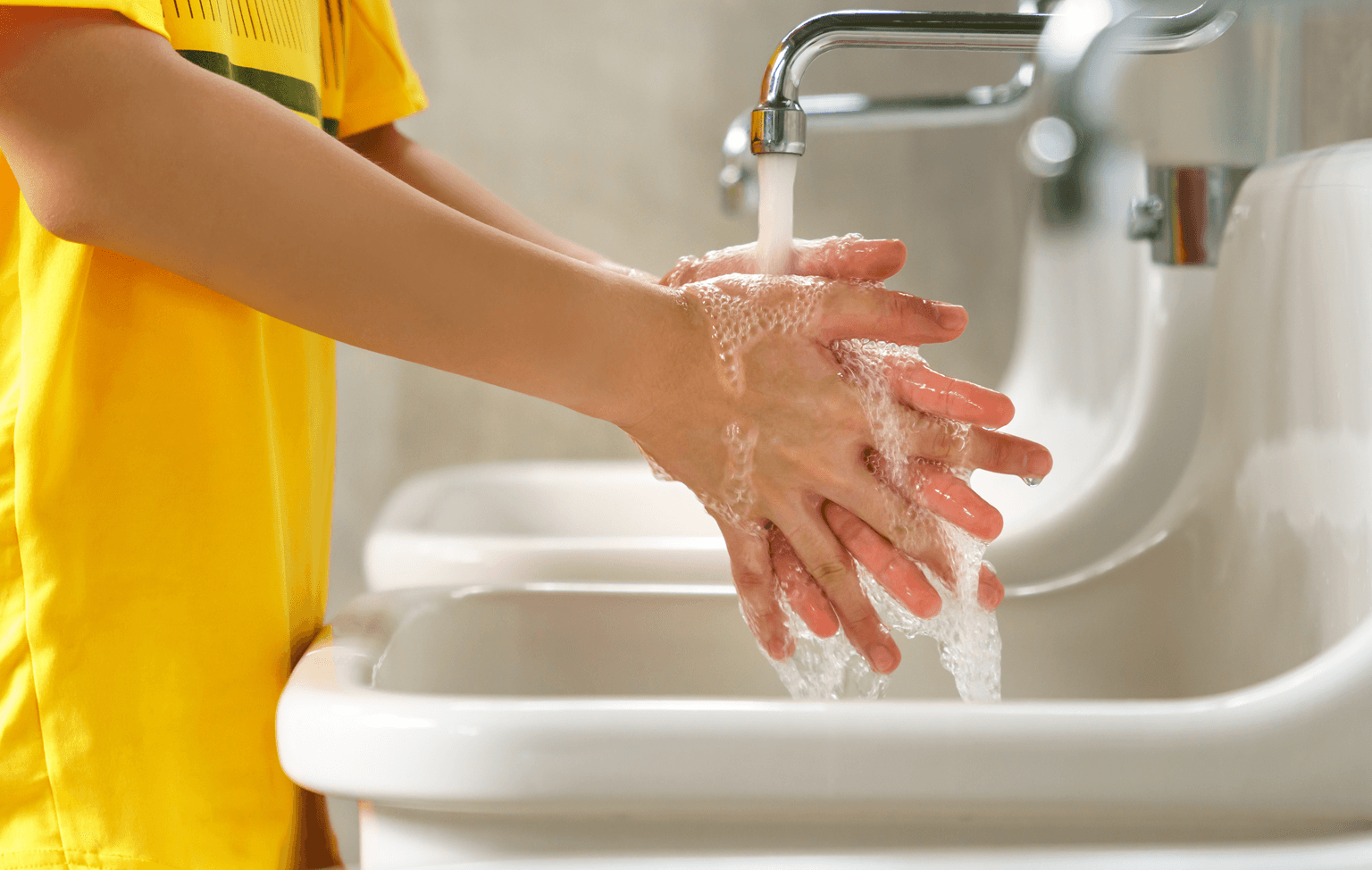
“Proper handwashing techniques can help ensure this delicate balance,” says Dr. Singh. “A five-step method effective at removing transient microbes while refraining from sterilizing the hands is wet, lather, scrub for about 20 seconds, rinse and dry.” Proper technique should reduce potentially harmful microbes while allowing the resident flora to recover quickly.
Alternative hand hygiene products could change the landscape of the microbial ecosystem. For instance, probiotic cleaners containing beneficial bacteria are being explored to support a healthy skin microbiome while providing effective cleaning. pH-balanced soaps that don’t disrupt the skin's natural acidity are also being investigated as another option for maintaining a healthy microbiome. Moisturizing after washing can also help keep the skin’s barrier function.