
Weight Management
Understanding the DASH diet
September 9, 2026
5 min read

The Dietary Approaches to Stop Hypertension (DASH) eating plan, also called the DASH diet, is a practical way to make better food choices and support your health. It was originally created to help manage high blood pressure, but it’s also a great option for anyone looking to improve their eating habits and overall wellness.
“DASH focuses on eating nutritious foods, like fruits, veggies, whole grains and lean proteins, while cutting back on things like excess sodium, saturated fat and added sugars. DASH emphasizes foods high in potassium, calcium, magnesium and fiber,” says Karen Cherinka, CRNP, a nurse practitioner in Medical Weight Management at Mount Nittany Health.
It’s not about strict rules or deprivation — it’s about finding balance and creating habits that work for you. Whether you’re preparing meals for yourself or your family, DASH offers plenty of flexibility to fit different tastes and lifestyles. It’s all about progress, not perfection!
Key takeaways:
-
DASH is a flexible, balanced way to eat.
It focuses on healthier everyday choices rather than strict dieting, making it easier to build habits that last. -
The plan emphasizes whole, nutrient-rich foods.
Fruits, vegetables, whole grains, lean proteins, beans, nuts, seeds and low-fat dairy are the foundation of DASH, while sodium, saturated fat and added sugars are limited. -
DASH can support overall health in several ways.
It may help lower blood pressure, improve heart health, support weight management and encourage better long-term eating habits.
What are the main principles of the DASH diet?
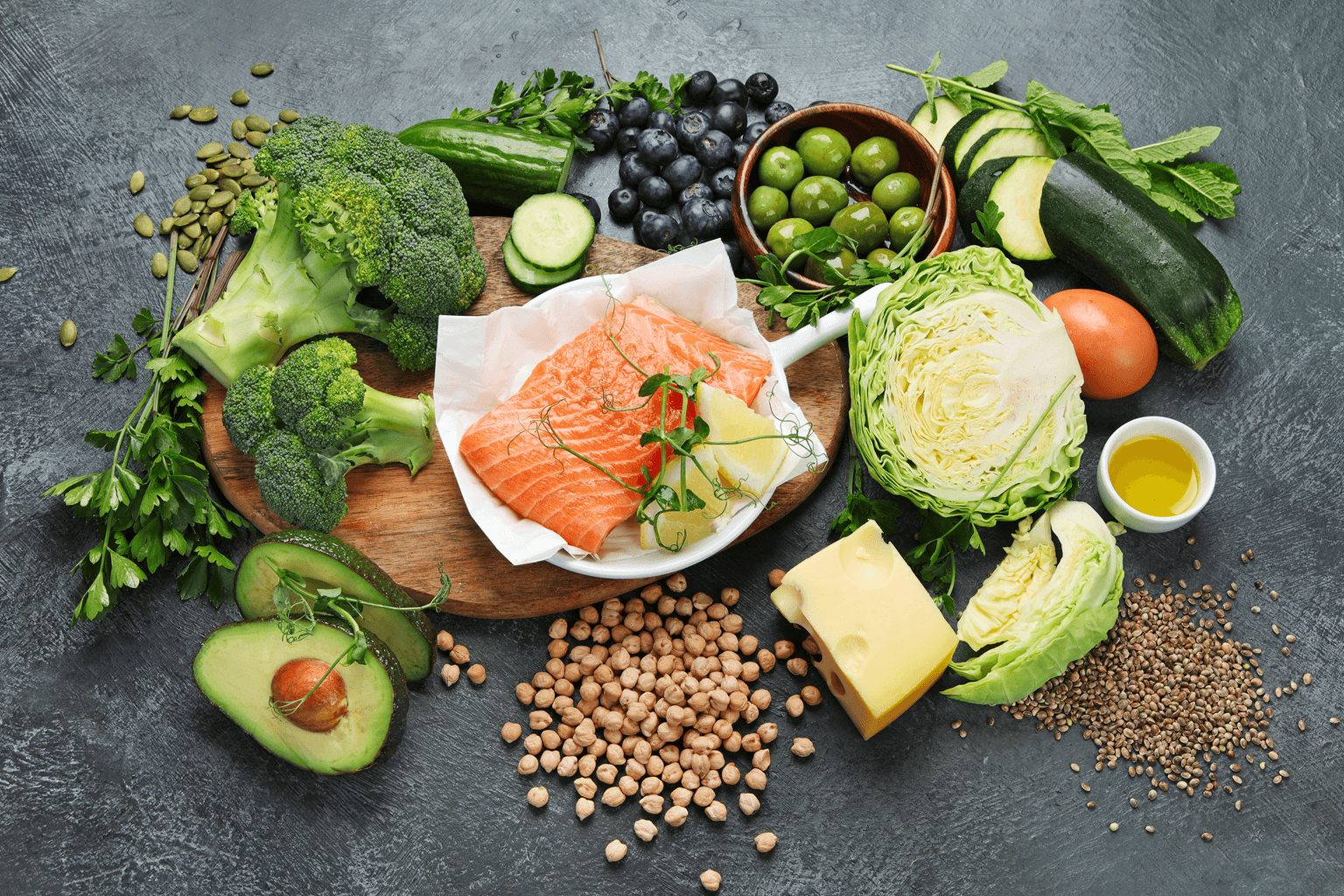
The DASH diet focuses on fruits, vegetables, whole grains, beans, lentils, nuts, seeds, lean protein and low-fat dairy. There are specific recommended servings for each food group that are easy to follow and incorporate into your daily eating plan:
- Vegetables: Eat four or five servings per day. Example servings include one cup of a raw, leafy vegetable, half a cup of raw or cooked vegetables, ½ cup of low-sodium or no-salt-added vegetable juice.
- Fruits: Eat four or five servings per day. Example servings include one medium fruit, a quarter cup of dried fruit or half a cup of fresh, frozen or canned fruit.
- Grains: Eat six to eight servings per day, focusing on whole grains, such as whole grain bread, brown rice, quinoa, oats and whole grain pasta. Example servings include one slice of bread or 1/2 cup of cooked cereal, rice or pasta.
- Protein: Eat six or fewer servings per day, focusing on lean meats, poultry and fish. A serving is an ounce of cooked meats or one egg. Overall, you should limit how much red meat you are eating.
- Beans, nuts and seeds: Eat four to five servings per week. This can include almonds, walnuts, chia seeds, flaxseeds and beans. Example servings include 1/2 cup beans or 1/3 cup nuts. Examples include one-third cup of dry-roasted, unsalted nuts, two tablespoons of nut butter or a half a cup of beans or legumes.
- Low-fat dairy: Consume two to three servings per day. Example servings include one cup of skim or 1% milk, one cup of low-fat or fat-free yogurt or one and a half ounces of low-fat cheese. If you are lactose intolerant or prefer non-dairy alternatives, you can choose plant-based milks, such as fortified soy milk.
“Along with getting the correct servings, the DASH eating plan also advises less than 2,300 mg of salt (sodium) per day,” says Karen. “Lowering sodium intake to 1,500 mg per day lowers blood pressure even more (there’s about 2,300 mg of sodium in one teaspoon of salt).”
What are the benefits of the DASH diet?
The DASH diet is well-known for its ability to support heart health and lower blood pressure, but the benefits go beyond that. By focusing on nutrient-rich foods, it can help improve cholesterol levels and promote healthier weight management over time. Many people also find that eating according to the DASH plan boosts their energy levels, thanks to a balanced intake of vitamins, minerals and fiber. Plus, it encourages better digestion by steering clear of heavy, processed meals.
Another great perk? DASH can be a helpful way to develop healthier habits without feeling overwhelmed. “Since it emphasizes whole, fresh ingredients, you might notice fewer cravings for overly salty or sugary snacks,” says Karen. And while the plan does recommend reducing sodium, it’s all about moderation rather than completely cutting it out. Whether you’re cooking for yourself or your family, the DASH approach provides plenty of room to enjoy flavorful meals that support your overall wellness. It’s a win-win!
Tips for implementing DASH
Making small, manageable changes is the best way to ease into the DASH plan. Start by swapping out high-sodium packaged snacks for fresh fruits or unsalted nuts. Choose whole-grain options like quinoa or oats when planning meals, and experiment with herbs and spices to add flavor without extra salt. Keep an eye on portion sizes. Aim to fill at least half your plate with colorful vegetables and fruits, one-quarter with grains and one-quarter with protein.
When cooking meats, be sure to trim away visible fat. Broil, grill, bake, roast or boil instead of frying, and remove skin from poultry before eating. Preparing meals in advance and storing them for busy days can also save time and help you stick to your goals.
Finally, staying hydrated is another key tip — pair your healthy meals with plenty of water instead of sugary drinks. DASH is all about progress, so don’t stress if it takes time to adjust. A healthier lifestyle is within reach, and DASH is here to help you get there, one meal at a time.