





As winter settles in, icy sidewalks and slippery parking lots become part of daily life. Adopting a simple, memorable technique, “Walk Like a Penguin” can help keep you safe this time of year.
Learn how this approach helps reduce the risk of falls during the coldest months, when ice can be hard to spot and even harder to avoid. Plus, read about other tips to keep you safe this winter.
Staying steady on ice
The “Walk Like a Penguin” method is designed to help people move more safely across icy surfaces. By shifting your weight forward and taking short, careful steps, you improve stability and reduce the chance of slipping.
How to “Walk Like a Penguin” on icy surfaces:
- Lean forward slightly
- Keep your feet pointed outward
- Take short, shuffling steps
- Keep your arms out to the side for balance
- Move slowly and deliberately
These small adjustments can make a meaningful difference when navigating winter conditions.
Keeping aware and staying safe during the winter
Slips and falls are more common when temperatures drop, especially in areas like sidewalks, driveways and parking lots. Pay close attention to the surfaces ahead of you, watching for icy patches or uneven areas that could cause a slip.
Footwear also plays a major role in preventing falls. Shoes or boots with rubber soles and deep treads offer better traction while removable ice cleats can provide extra stability during severe conditions.
Moving slowly and planning ahead can significantly reduce your risk. Remember the penguin walk! Keeping your hands free is equally important. Wearing warm gloves allows you to keep your hands out of your pockets, improving your ability to steady yourself if you begin to slip.
Staying focused while walking in winter weather is another key safety habit. Avoid texting or talking on your phone when navigating icy sidewalks or parking lots, as distractions make it harder to spot hazards in time. At home, keeping your walkways, driveways and entry paths clear is one of the most effective ways to prevent accidents.
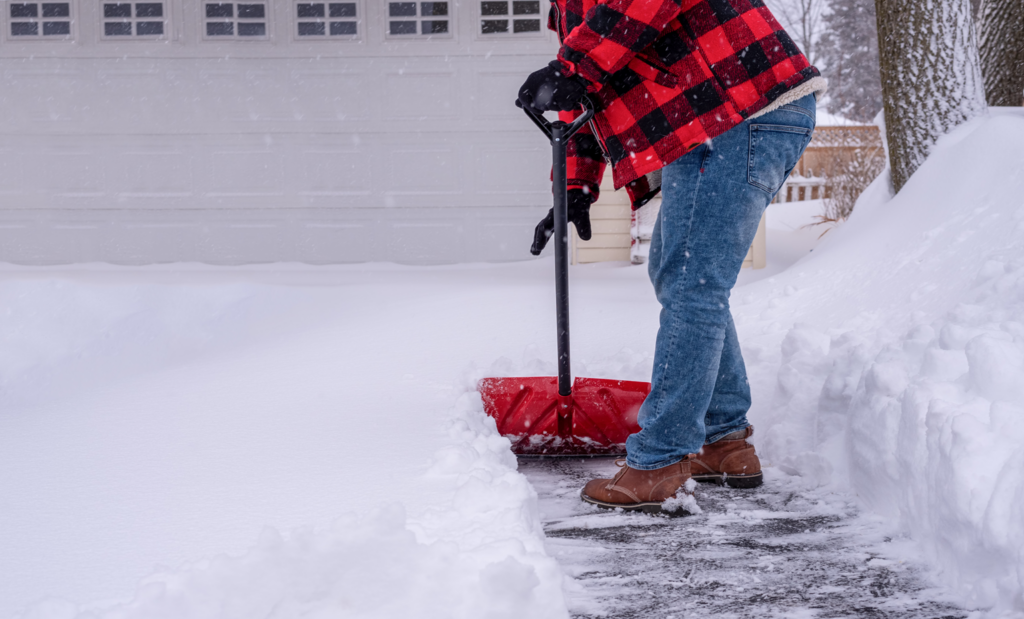
Shoveling snow is vital for winter safety, but it can be tough on your body. To keep yourself safe, protect your heart and muscles. Clear snow regularly and treat walkways with ice melt, sand or kitty litter. This prevents dangerous buildup. However, shoveling can strain your heart, especially in the cold.
To lower your risk, warm up before going outside. Shovel smaller loads and take breaks to avoid overdoing it. Cold weather can tighten blood vessels and raise your heart rate. So, dress warmly, drink water and stop right away if you feel chest pain, shortness of breath or dizziness.
Simple habits for a safer winter
Staying safe during the winter months comes down to preparation, awareness and a few simple habits that make a big difference. Whether you’re navigating icy sidewalks, clearing snow from your driveway or just trying to get from point A to point B without a slip, taking proactive steps helps protect you and those around you.
By staying alert, choosing the right gear and pacing yourself during cold‑weather tasks, you can enjoy the season while minimizing the risks that come with it. Winter may be unpredictable, but your safety doesn’t have to be.
Primary Care
Discover more about Primary Care, including locations and providers, at Mount Nittany Health