
Aderonke Ajala, MD
Cancer Care • Hematology & Oncology • Infusion Services
Measles screening questions are now in place at all Mount Nittany Health outpatient locations. Learn more.

Cancer Care

Lung cancer is a serious condition, but understanding its symptoms, types and treatment options can make a difference. Learning about early signs, diagnosis and care options can help you or your loved one navigate treatment.
Lung cancer occurs when abnormal cells grow uncontrollably in the lungs, forming tumors that can interfere with your lung’s normal functioning. It’s the leading cause of cancer deaths in the U.S.
There are two main types:
Early signs of lung cancer can be subtle, but recognizing them can make a significant difference in successful treatment outcomes. Common symptoms of lung cancer include:
Understanding risk factors and related conditions can help you recognize potential signs of lung cancer early.
If you have any of these risk factors, our skilled lung specialists will create custom treatments for you. These treatments aim to meet your needs and improve your health.
Early diagnosis and proper care can significantly affect the outcome for individuals with lung cancer. Below are common treatment options:
Our lung cancer screening program uses advanced low-dose CT scans to detect early signs of cancer, giving patients the best chance for effective treatment and better outcomes. This proactive approach reflects our commitment to your health and well-being.
Your lung health matters. Receive expert screening, diagnosis and care from compassionate specialists dedicated to you. Call today to schedule your appointment and experience the difference personalized care can make.
 Cancer Care Providers
Cancer Care • Hematology & Oncology • Infusion Services

Hematology & Oncology • Cancer Care

Cancer Care • Hematology & Oncology • Infusion Services

Cancer Care • Hematology & Oncology

Cancer Care

Cancer Care
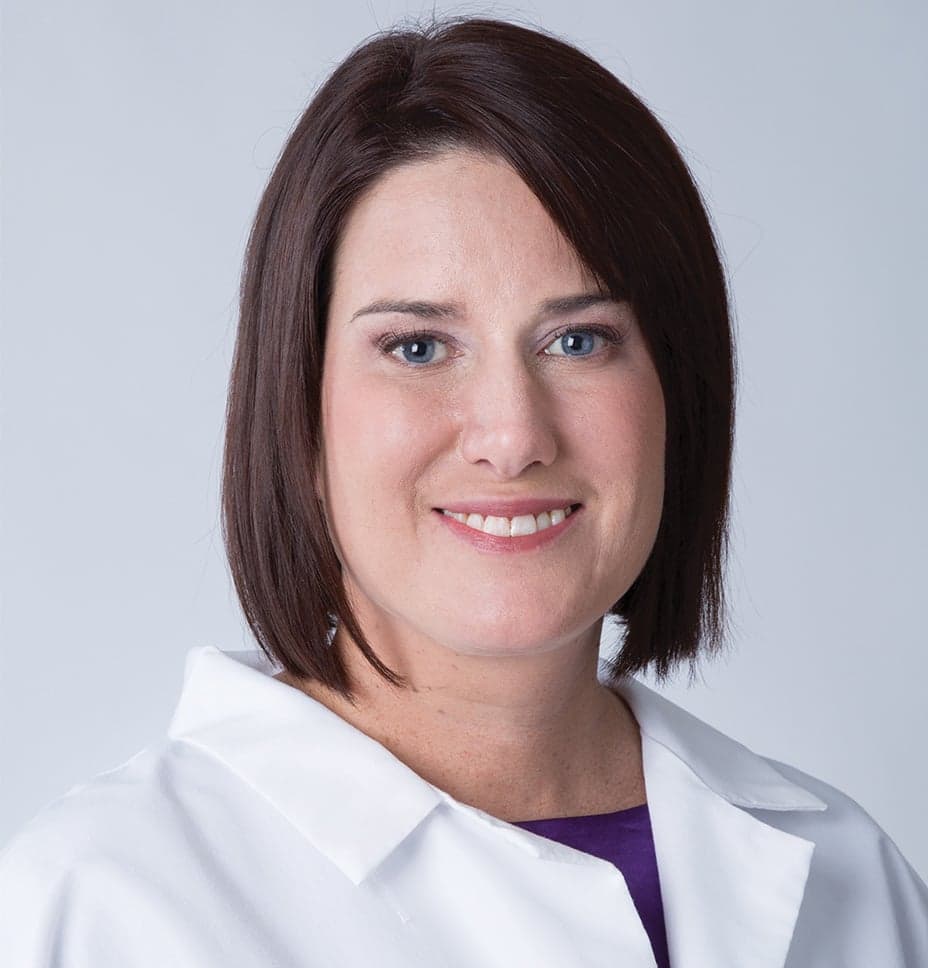
Cancer Care • Hematology & Oncology

Cancer Care
 Cancer Care Locations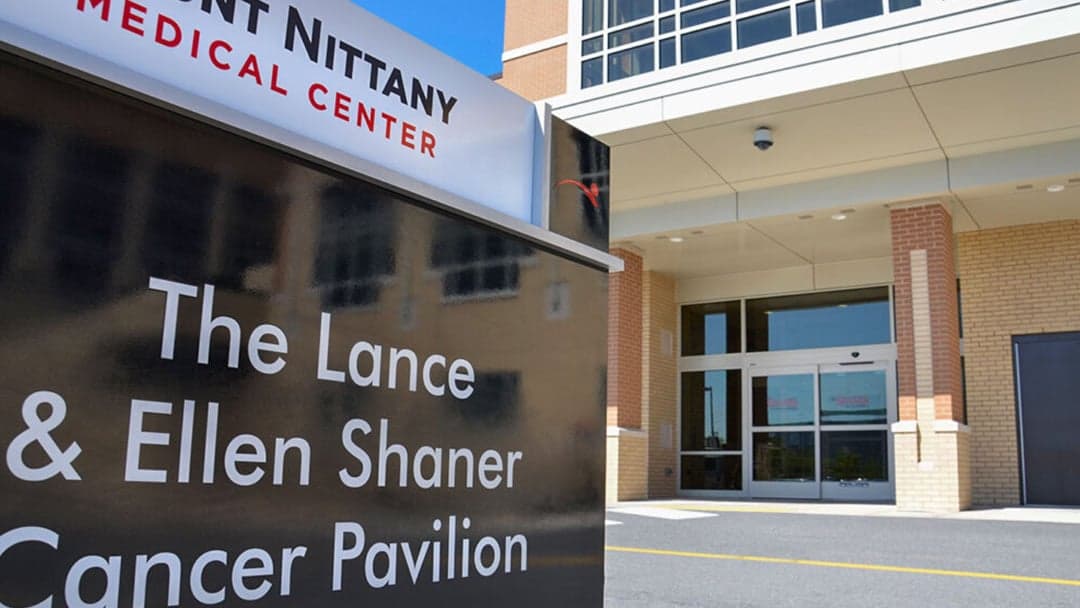
255 Wellness Way State College PA 16803-6702
Pulmonary Medicine Providers
Pulmonary Medicine • Critical Care

Critical Care • Pulmonary Medicine

Critical Care • Pulmonary Medicine
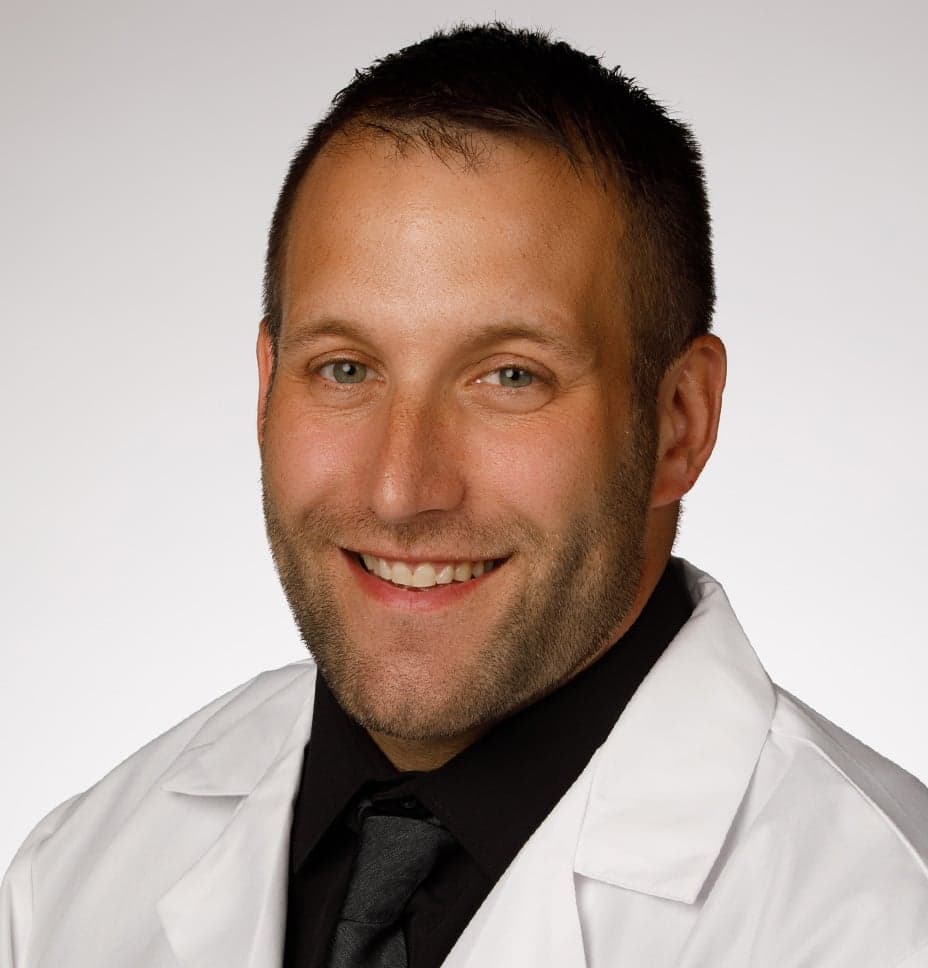
Pulmonary Medicine
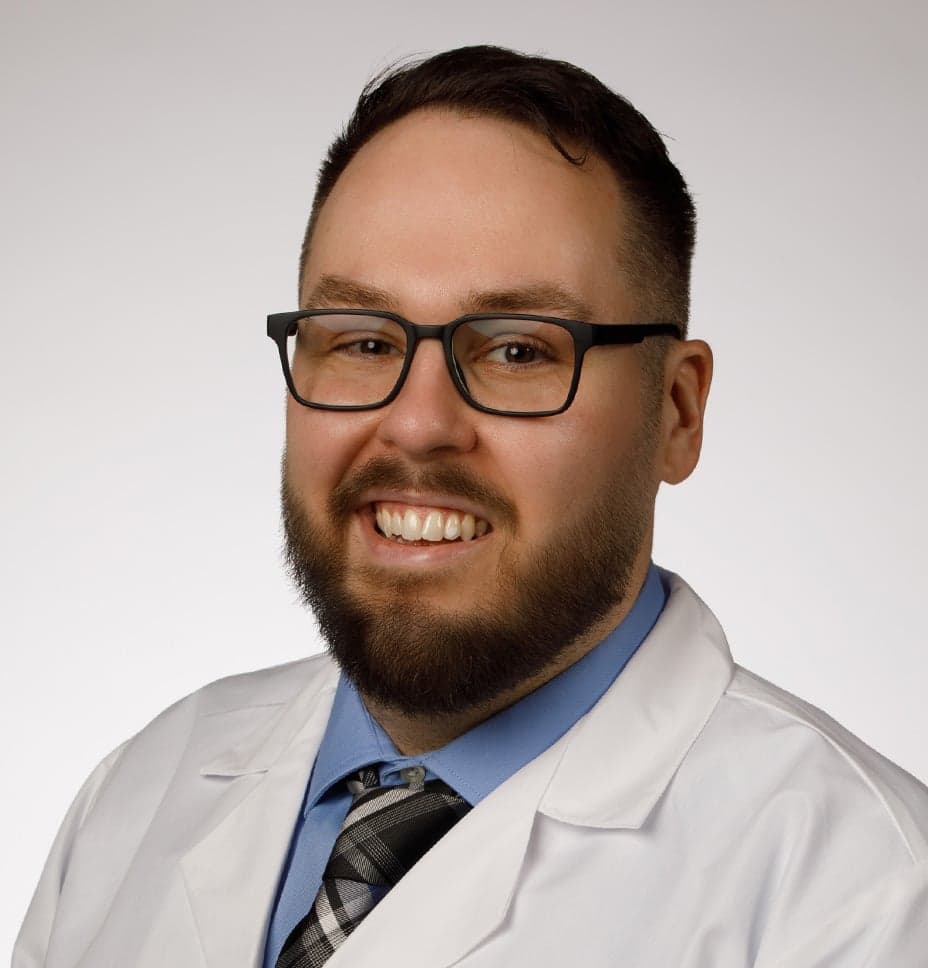
Pulmonary Medicine • Critical Care

Pulmonary Medicine • Sleep Medicine
Pulmonary Medicine Locations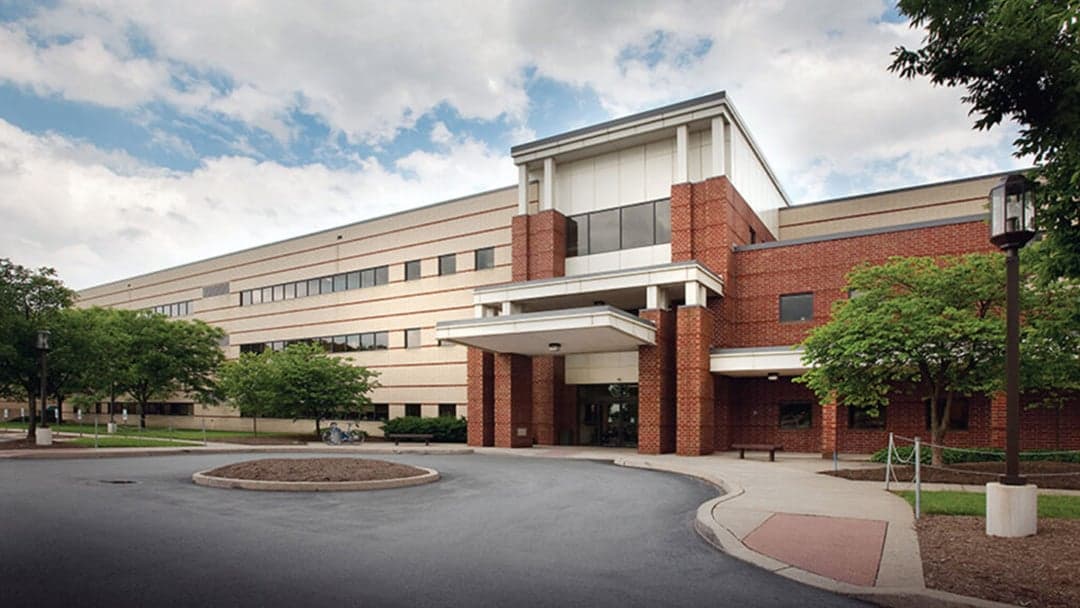
143 Hospital Drive Suite 201 State College PA 16803-5500
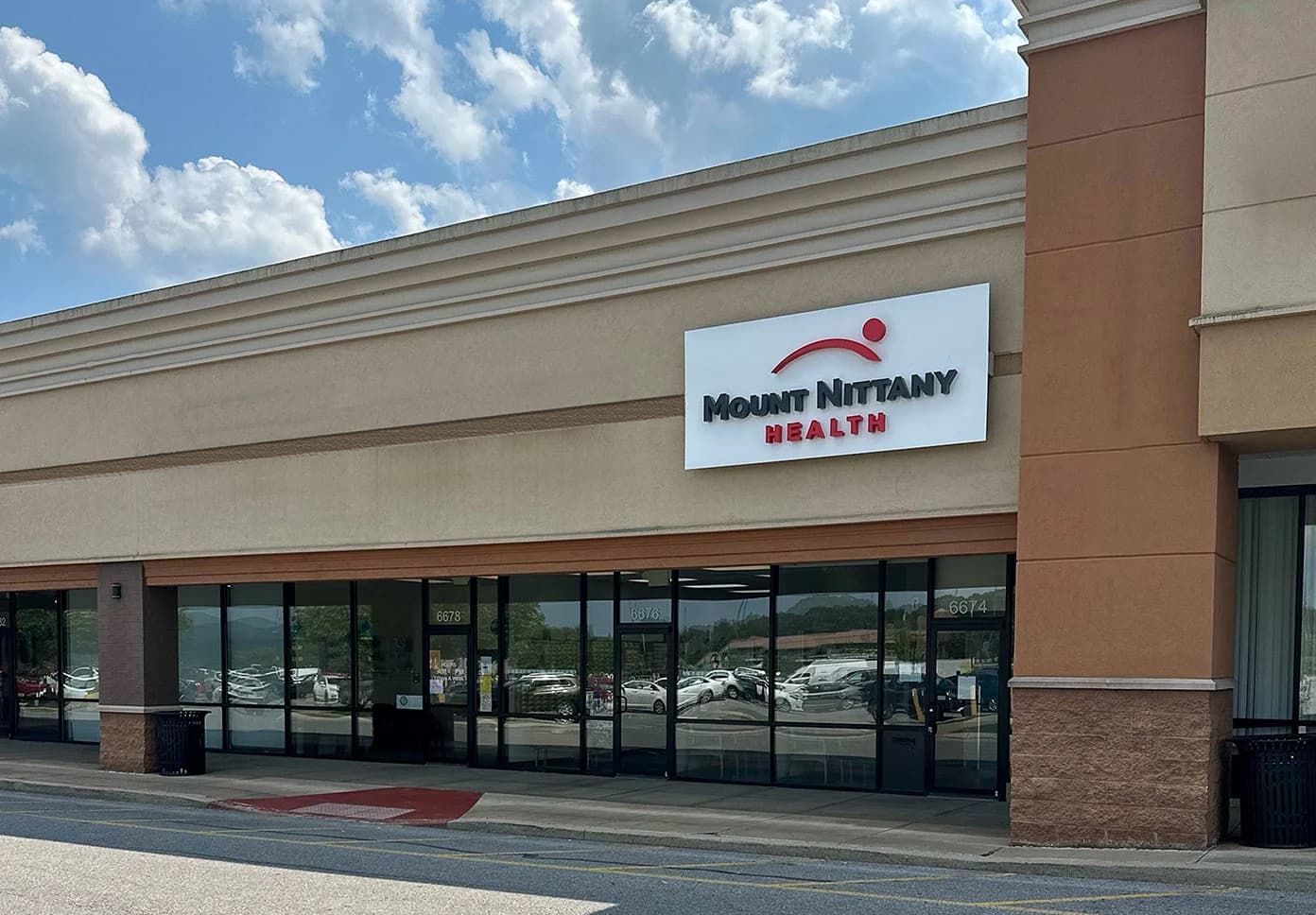
6674 Towne Center Blvd Unit 7 Huntingdon PA 16652-6934
96 Kish Road Reedsville PA 17084-8943