
Mount Nittany Health Dermatology & Mohs Surgery
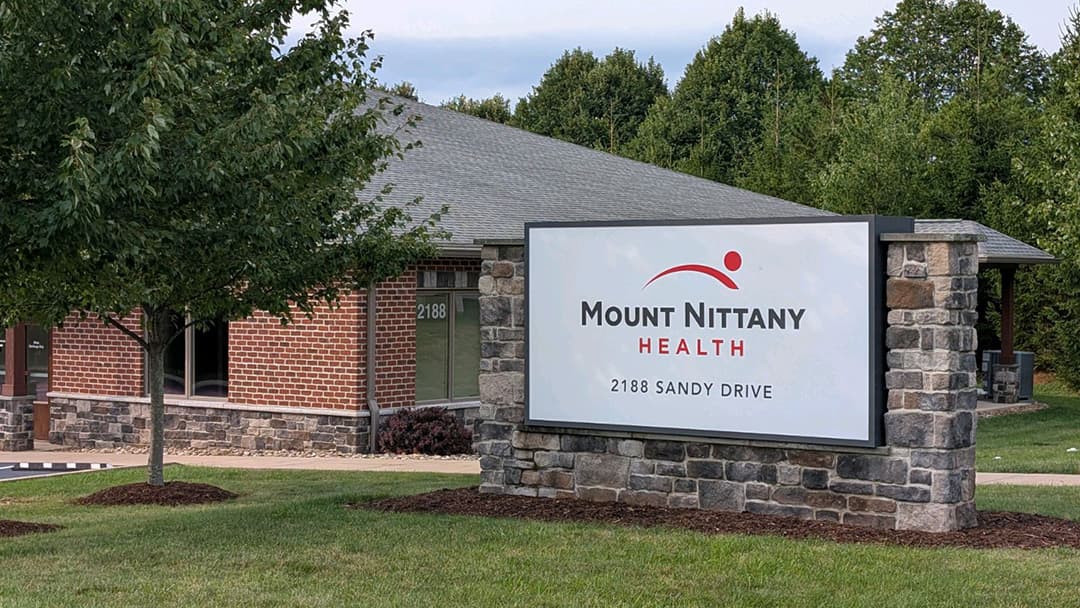
2188 Sandy Drive State College PA 16803-2288
Measles screening questions are now in place at all Mount Nittany Health outpatient locations. Learn more.
Mohs surgery, also referred to as micrographic surgery, is a technique used to treat various forms of skin cancer. The process carefully removes cancerous tissue one layer at a time, checking each under a microscope. This innovative approach removes all cancer cells while protecting healthy tissue.
Preparing for Mohs surgery is simple, and a few small steps can help ensure a smooth experience. Before your appointment, review any instructions provided by your dermatologist and let the care team know about medications you take, including blood thinners, supplements or prescriptions. Your doctor may advise you on whether to pause or adjust certain medications ahead of time.
On the day of your procedure, eat a normal meal and plan to be at the office for several hours. Mohs surgery is performed in stages, and the total time varies depending on how many layers of skin need to be removed. Wear comfortable clothing and consider bringing a book, tablet or something to pass the time between stages.
If your surgical site is near the eye, nose or mouth, you may want to arrange a ride home, as swelling or bandaging can make driving uncomfortable. Most patients do not need sedation, but if your doctor anticipates anything different, they will let you know in advance.
Mohs surgery is a highly precise, tissue‑sparing procedure performed under local anesthesia. You’ll be awake and comfortable throughout the process. The surgeon removes a thin layer of skin from the cancer site and examines it under a microscope while you wait. If cancer cells remain, another layer is removed and evaluated. This process continues until all cancerous tissue is cleared.
Because each layer is checked immediately, Mohs surgery offers the highest cure rate while preserving as much healthy skin as possible. Once the cancer is fully removed, your surgeon will discuss the best approach for closing the wound — this may involve stitches, a skin flap or allowing the area to heal naturally.
After the procedure, you’ll receive detailed wound‑care instructions. If you experience mild swelling, tightness or tenderness in the first few days, know that it’s normal. Most patients resume normal activities quickly, though your doctor may recommend avoiding strenuous exercise until the area has healed.
At Mount Nittany Health, Mohs surgery is offered in our outpatient physician office instead of the main hospital. This approach often leads to lower costs and fewer facility fees, making care more affordable.
Every patient’s needs are unique, but choosing an office-based setting can mean a more convenient experience and potential savings — while still receiving high-quality, innovative care close to home.

Dermatology
Meet Dr. Jacobs
M. Amanda Jacobs, MD, FAAD, FACMS, is a board-certified dermatologist and fellowship-trained Mohs micrographic surgeon providing comprehensive medical, surgical and cosmetic dermatologic care. She specializes in the diagnosis and treatment of skin cancer, complex cutaneous surgery and minimally invasive aesthetic procedures.
 Dermatology Locations
2188 Sandy Drive State College PA 16803-2288