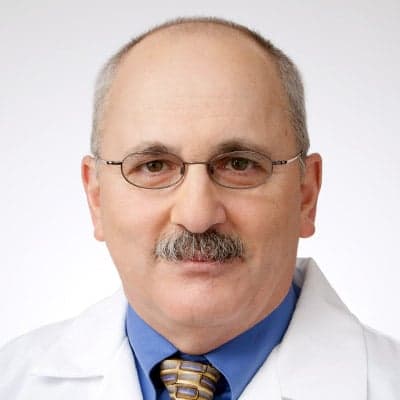
Albert Zoda, MD
Cardiovascular Care
Measles screening questions are now in place at all Mount Nittany Health outpatient locations. Learn more.

Cardiology

Cardiomyopathy is a disease of the heart muscle. It can cause your heart to become enlarged, weakened, thickened or stiff. When this happens, your heart may not pump blood as well as it needs to.
Some people live with cardiomyopathy for years with few symptoms. Others notice changes sooner. How it affects you depends on the type, the cause and how early it’s found. With the right care and support, many people are able to manage cardiomyopathy and continue doing the things they enjoy.
In many cases, the exact cause of cardiomyopathy isn’t known. When a cause can be identified, it may include:
Your cardiologist will work with you to understand what may be contributing to your condition and how that affects your treatment.
Symptoms can range from mild to more noticeable and may change over time. You may experience:
Some people do not have symptoms right away. Regular checkups are important, especially if you have a family history of heart disease or other risk factors.
Call a doctor if you notice new symptoms or if existing symptoms get worse. This includes increased shortness of breath, swelling or chest discomfort. Get emergency care right away if you have chest pain, fainting or severe trouble breathing.
Without treatment, cardiomyopathy can lead to serious health problems including:
Finding cardiomyopathy early and following a care plan can greatly lower your risk of complications.
To diagnose cardiomyopathy, your cardiologist will ask about your symptoms, health history and family history. A physical exam is often followed by tests such as:
These tests help your care team understand what type of cardiomyopathy you have and how well your heart is working.
Your treatment plan will be based on your specific needs, the type of cardiomyopathy you have and how advanced it is. Treatment may include:
Your cardiology team will partner with you every step of the way. The goal is to ease symptoms, protect your heart and help you live as fully and comfortably as possible.
 Cardiovascular Care Providers
Cardiovascular Care
Cardiovascular Care
Cardiovascular Care
Cardiovascular Care
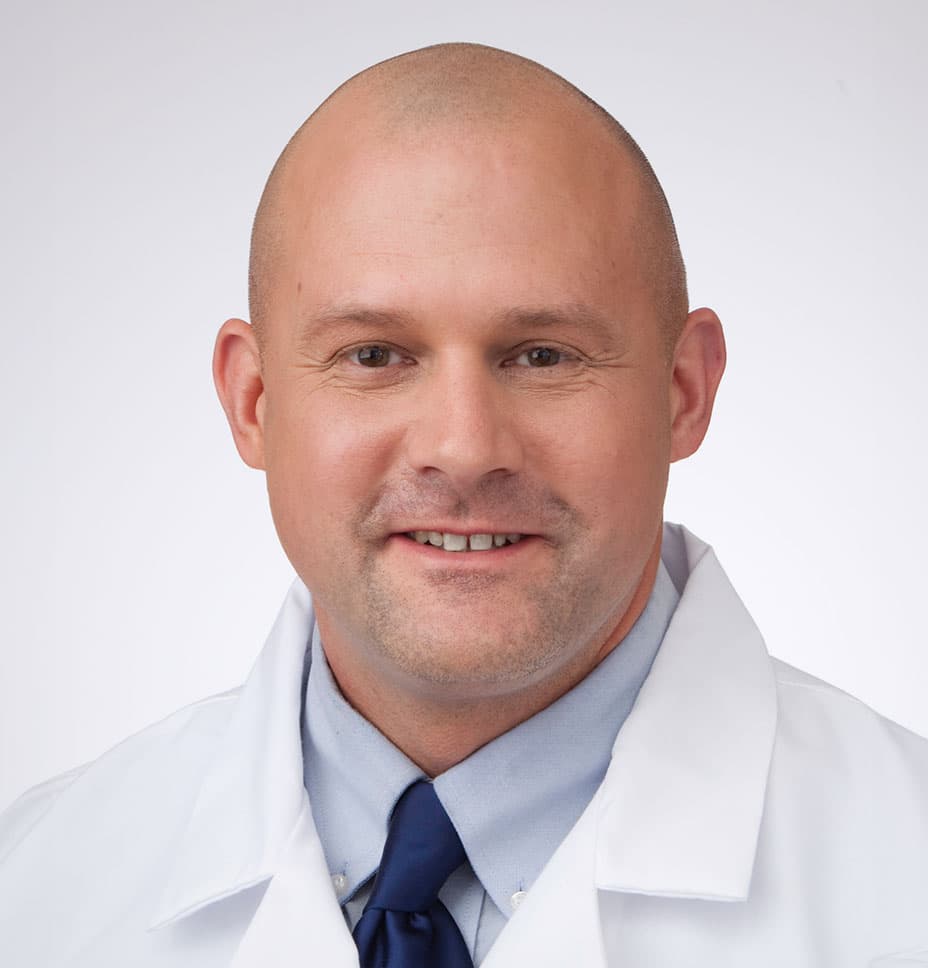
Cardiovascular Care

Cardiovascular Care
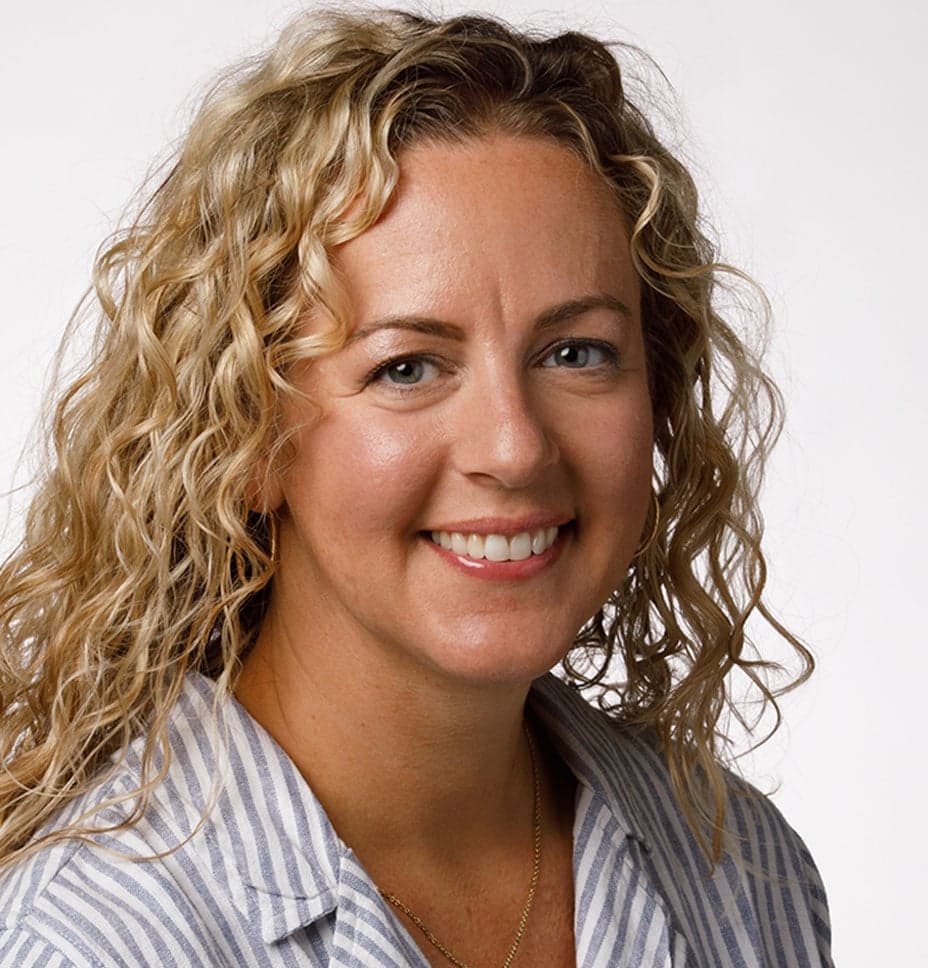
Cardiovascular Care
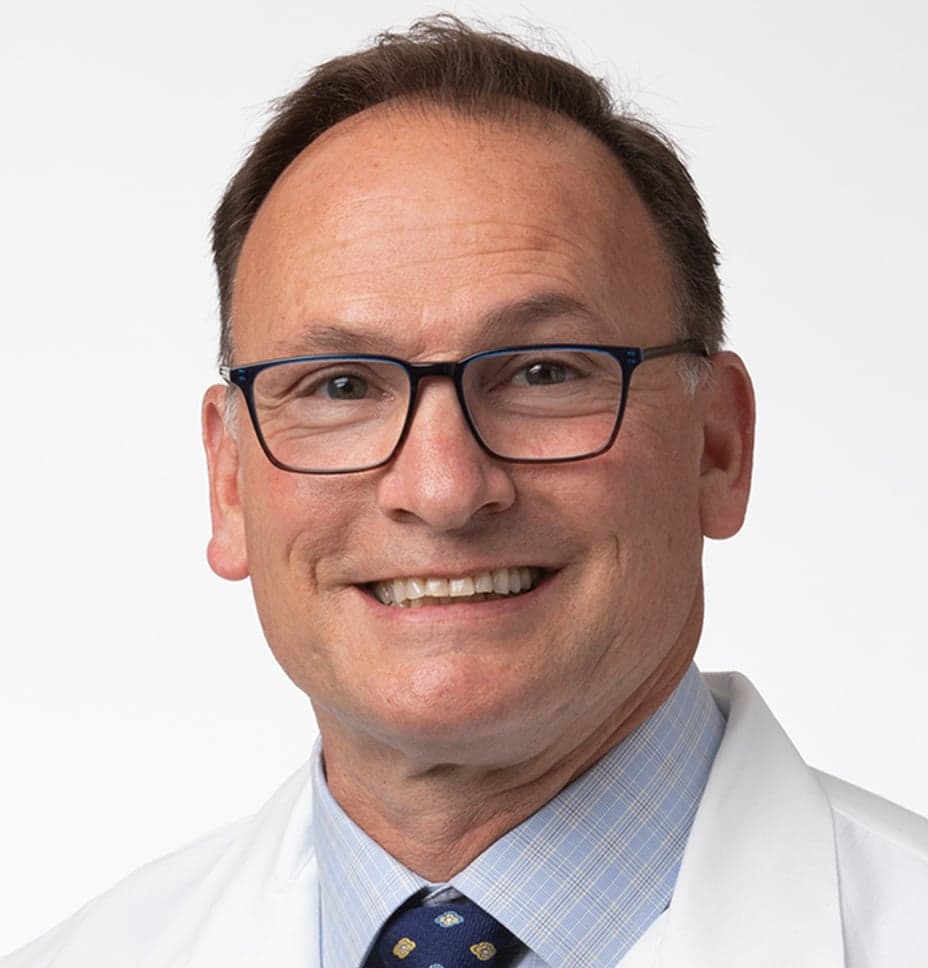
Cardiovascular Care
 Cardiovascular Care Locations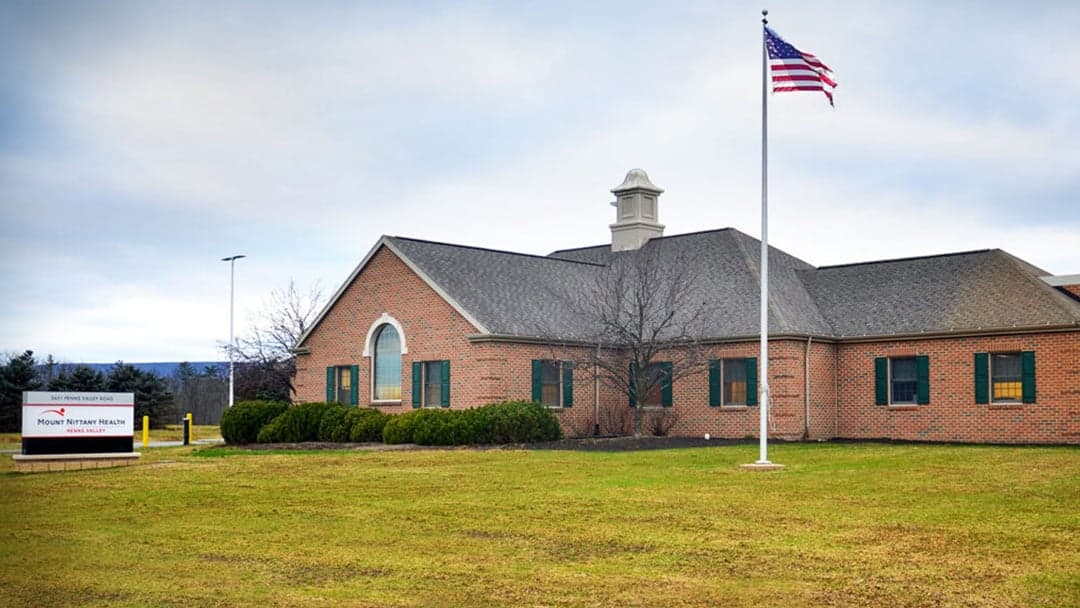
3631 Penns Valley Road Spring Mills PA 16875-8011
1061 N Front Street Ste 2 Philipsburg PA 16866-8257
143 Hospital Drive Suite 201 State College PA 16803-5500