
Mount Nittany Health Cardiology - Penns Valley
3631 Penns Valley Road Spring Mills PA 16875-8011
Measles screening questions are now in place at all Mount Nittany Health outpatient locations. Learn more.

Cardiology

Peripheral artery disease (PAD) occurs when narrowed or blocked arteries reduce blood flow to the limbs — most often the legs. This happens when fatty deposits (plaque) build up inside the arteries, a process known as atherosclerosis. PAD is a progressive condition, and symptoms can worsen over time if not identified and treated.
Common symptoms include leg pain or cramping during activity, numbness or weakness in the legs, coldness in the feet or slow-healing wounds. Some people may not notice symptoms early on, which is why understanding your risk factors — and acting quickly when symptoms appear — is so important.
Reduced blood flow can affect your daily comfort and mobility and may lead to serious complications such as poor wound healing, infections or, in advanced cases, limb loss. PAD is also linked to a higher risk of heart attack and stroke, making early detection and treatment essential for long-term health.
Peripheral artery disease is most often caused by atherosclerosis, a process where fatty deposits (plaque) build up along the walls of the arteries. Over time, this buildup narrows the arteries and makes it harder for blood to flow to your limbs. Although it can occur anywhere in the body, PAD often affects circulation to the legs and feet.
Several factors can increase the likelihood of developing PAD, including:
PAD can develop slowly, so you may not notice symptoms at first. Knowing your risk can help you take steps to protect your vascular health.
Symptoms of PAD can range from mild to severe and may come on gradually. Paying attention to how your legs feel — especially during activity — can help you catch the condition early.
Common signs and symptoms include:
Some people with PAD don’t notice symptoms at all — especially in the early stages. If something about your legs doesn’t feel right, checking in with a healthcare provider can help you get answers sooner.
Reach out to a healthcare provider if you notice new or worsening symptoms such as leg pain during activity, coldness in the feet or wounds that are slow to heal. PAD is more easily treatable in its early stages, and prompt care can prevent infections, mobility issues and cardiovascular complications.
Call a doctor if you experience:
Seek immediate medical attention for:
People with diabetes, high blood pressure, high cholesterol or a history of smoking may benefit from routine vascular screenings — even without symptoms.
Without proper diagnosis and treatment, PAD can significantly impact your long-term health. Reduced blood flow affects the body in multiple ways, and complications may progress from mild discomfort to limb-threatening emergencies.
Catching PAD early can make a big difference in how you feel and how well you stay active. If you’re worried about symptoms or just want to understand your risks, the team at Mount Nittany Health is here to help. We’ll walk you through your options and support you every step of the way.
Diagnosing peripheral artery disease typically begins with a detailed medical history and a physical exam. Your healthcare provider will review your symptoms, discuss any risk factors and check the pulses in your legs and feet. If PAD is suspected, several tests can help confirm the diagnosis and determine how much blood flow is affected.
These test results help guide a personalized treatment plan focused on improving circulation and protecting your long-term health.
Treatment for peripheral artery disease focuses on improving blood flow, relieving symptoms and reducing the risk of serious complications. Depending on the severity of the condition, your healthcare provider may recommend one or a combination of the following approaches:
Your Mount Nittany Health vascular team will work with you to create a treatment plan that fits your needs and supports your overall well-being.
Mount Nittany Health offers convenient vein and vascular care throughout Central Pennsylvania, so you can access expert treatment close to home. Our locations feature advanced imaging, modern facilities and coordinated care teams to make every visit seamless and efficient.
 Cardiovascular Care Locations
3631 Penns Valley Road Spring Mills PA 16875-8011

1061 N Front Street Ste 2 Philipsburg PA 16866-8257

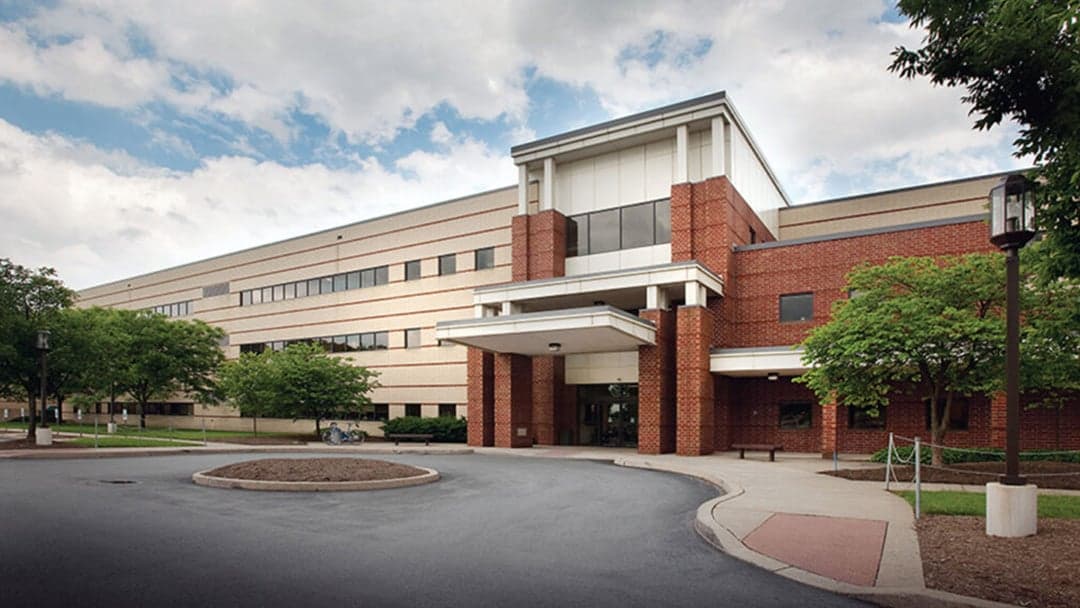
143 Hospital Drive Suite 201 State College PA 16803-5500
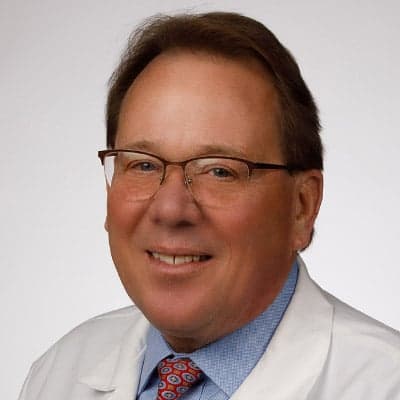
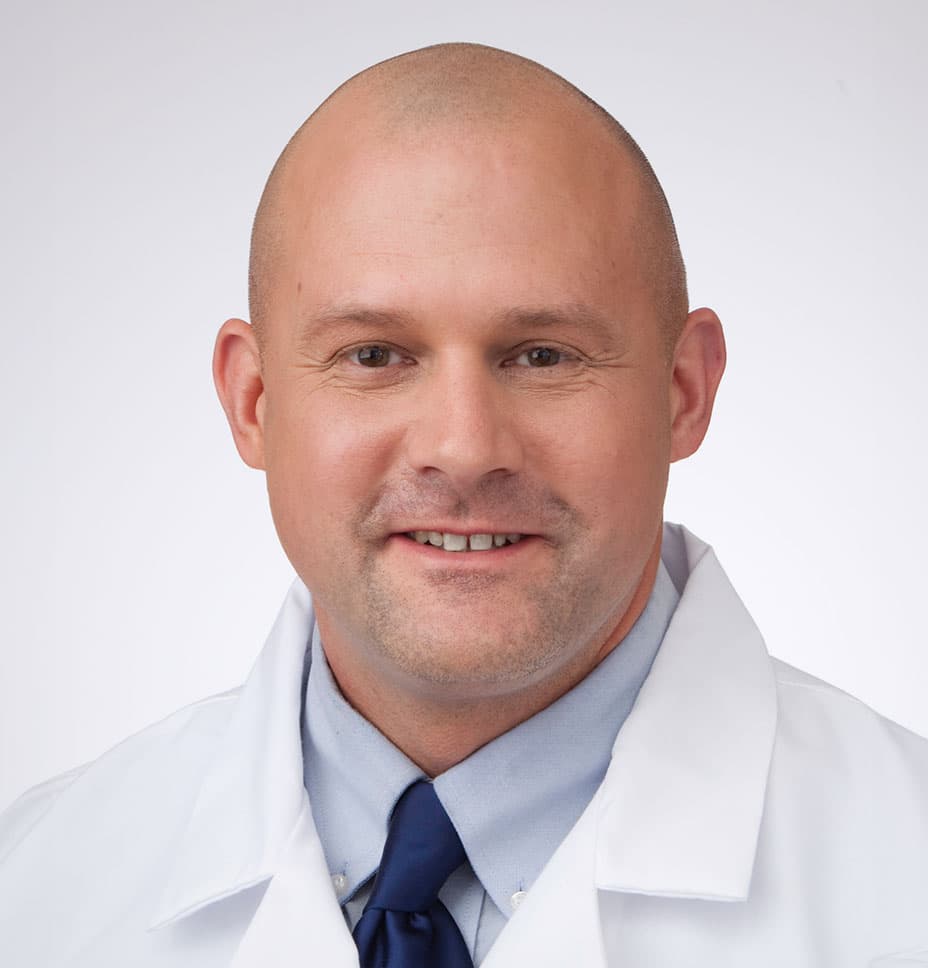
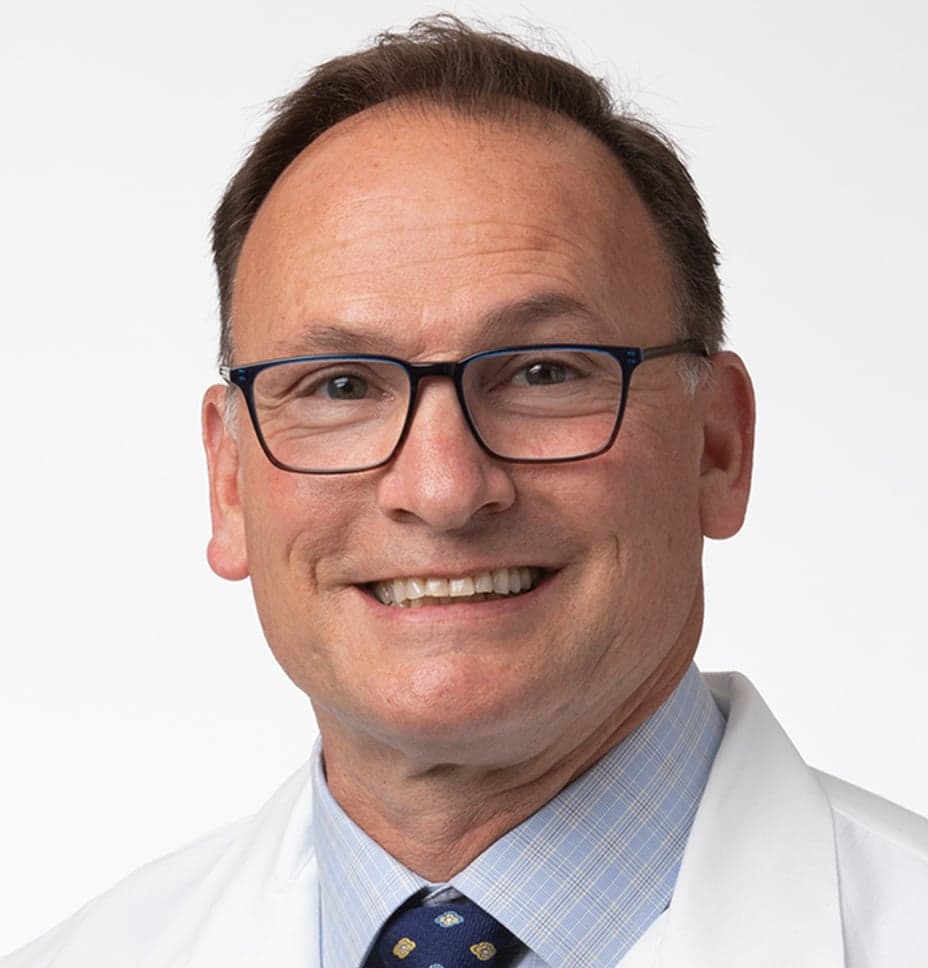
Our vascular specialists provide compassionate, expert care for a wide range of vascular conditions. With extensive training in minimally invasive treatments, they work closely with you to understand your symptoms, explain your options and create a personalized plan to support long-term vascular health.
 Cardiovascular Care Providers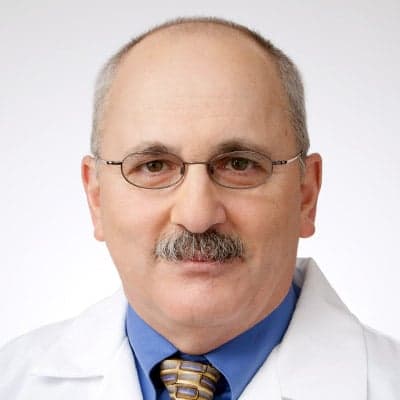
Cardiovascular Care
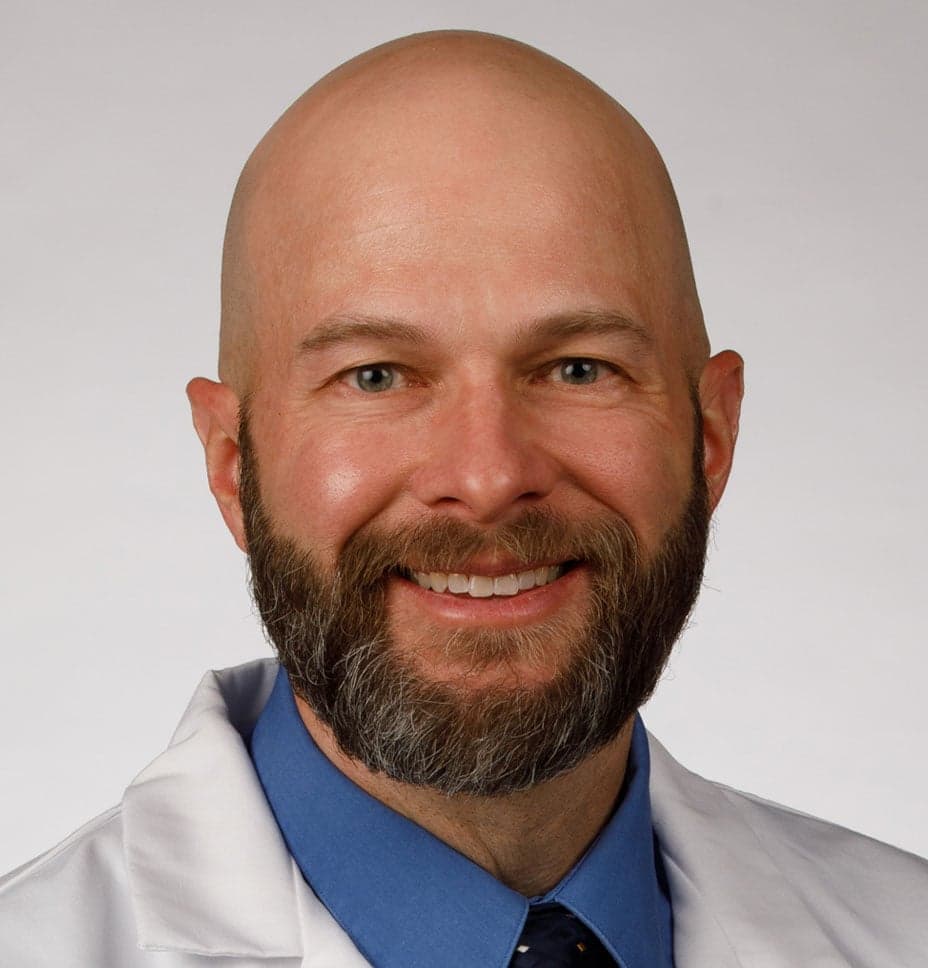
Cardiovascular Care
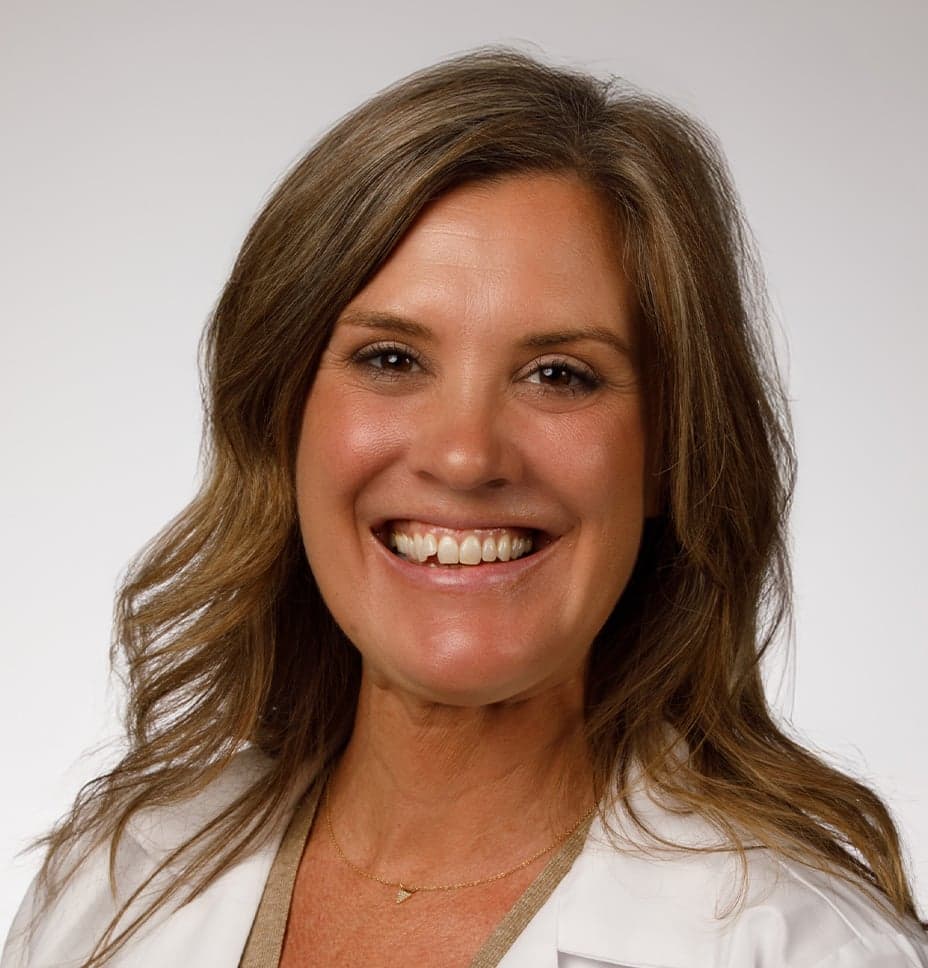
Cardiovascular Care
Cardiovascular Care
Cardiovascular Care

Cardiovascular Care

Cardiovascular Care
Cardiovascular Care