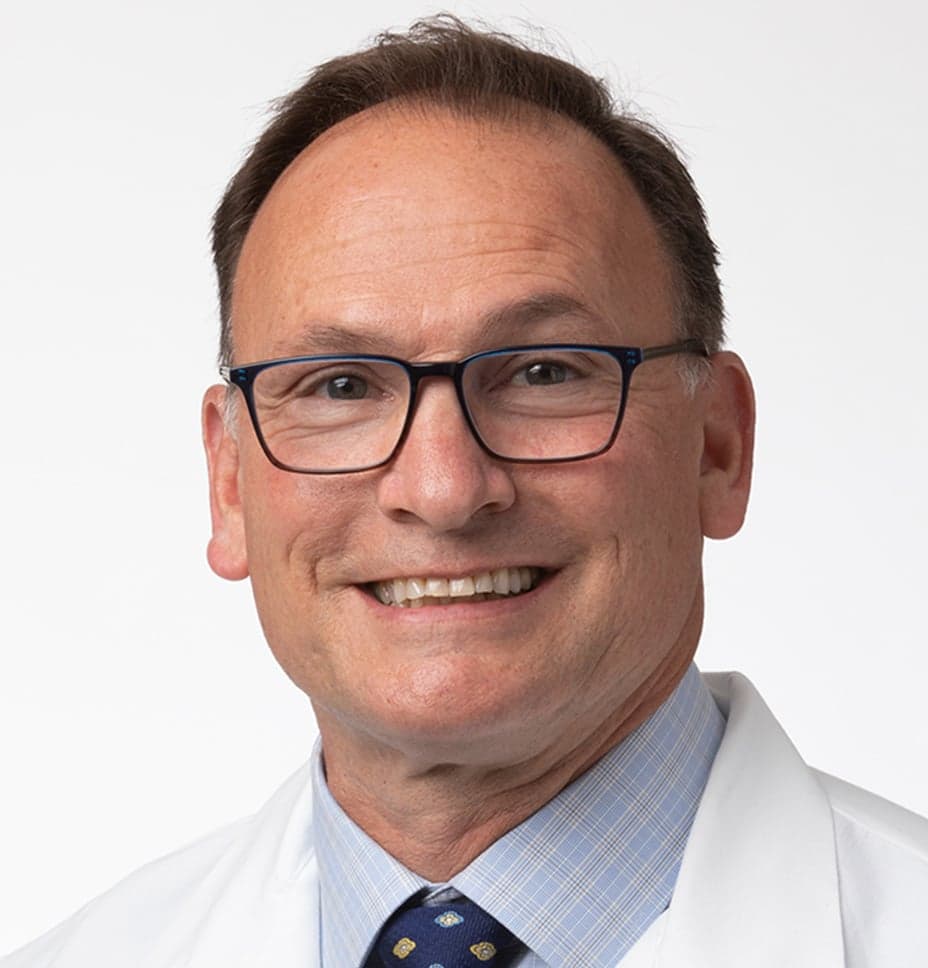
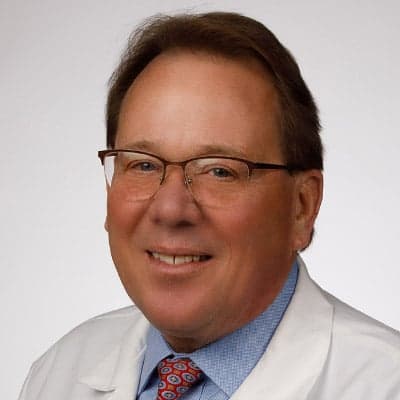
James Gerardo, MD
Cardiovascular Care
Measles screening questions are now in place at all Mount Nittany Health outpatient locations. Learn more.

Cardiology
Varicose veins are more than a cosmetic concern. For many people, they cause real discomfort, affect daily activities and can signal underlying vein health issues that deserve attention.
At Mount Nittany Health, our team provides expert, compassionate care to help you understand your symptoms, explore your treatment options and take meaningful steps toward healthier, more comfortable legs.
Varicose veins are enlarged, twisted veins that most commonly appear in the legs and feet. They are easy to recognize by their bulging, rope-like appearance and blue or purple color just beneath the skin. While they can affect anyone, varicose veins are especially common in adults who spend long hours on their feet, pregnant women and those with a family history of vein disease.
Varicose veins develop when the small valves inside the veins stop working properly. In healthy veins, these valves open and close rhythmically to push blood upward toward the heart. When the valves weaken or become damaged, blood flows backward and pools in the vein, causing it to swell, twist and bulge beneath the skin.
Several factors can contribute to valve weakness and the development of varicose veins. Age-related wear and tear is one of the most common causes, as vein walls and valves naturally lose strength and elasticity over time.
Hormonal changes associated with pregnancy, menstruation and menopause can also relax vein walls and increase the likelihood of valve damage. Prolonged pressure on the veins from standing, sitting or carrying excess body weight forces the valves to work harder than normal, accelerating wear and increasing the risk of failure.
In some cases, genetics play a significant role, and varicose veins can run strongly in families even without other contributing factors.
Varicose vein symptoms range from mild discomfort to more significant pain and skin changes. Some people notice only cosmetic changes at first, while others experience symptoms that affect their daily comfort and mobility.
Common symptoms of varicose veins include:
Varicose veins can develop in anyone, but certain factors make some people more susceptible than others.
Common risk factors include:
If you recognize several of these risk factors, speaking with a healthcare provider about your vein health is a proactive step worth taking.
Complications of varicose veins
Leaving varicose veins untreated can lead to more serious health complications over time, including:
Many people live with varicose veins for years without seeking care, assuming they are purely a cosmetic issue. However, there are clear signs that a professional evaluation is warranted.
Consider scheduling an appointment with a healthcare provider if you experience any of the following:
You do not need to wait until symptoms become severe to seek care. In fact, early evaluation gives your healthcare provider the best opportunity to recommend conservative treatments that can slow progression and prevent complications. If you are unsure whether your symptoms warrant a visit, it is always better to seek an evaluation and have peace of mind.
Diagnosing varicose veins begins with a thorough physical examination, during which your doctor will visually assess your veins and ask about your symptoms, medical history and risk factors.
In many cases, a duplex ultrasound is also recommended. This painless, noninvasive test uses sound waves to evaluate blood flow and identify problematic veins beneath the skin’s surface.
Together, these evaluations provide an accurate picture of your vein health and help guide the most effective treatment plan for your individual needs.
Varicose vein treatment has advanced significantly, and most patients now have access to minimally invasive options with little to no downtime. Treatment is tailored to the severity of your condition, your symptoms and your personal goals.
Our team offers a range of treatments designed to fit your unique needs, including:
While not all varicose veins can be prevented, healthy lifestyle habits can significantly reduce your risk and help manage existing symptoms.
Simple steps that may reduce your risk of varicose veins include:
Varicose veins do not have to hold you back. Early evaluation and treatment can prevent complications and significantly improve your quality of life. Schedule an appointment with Mount Nittany Health today and explore your options for healthier legs.
 Cardiovascular Care Providers
Cardiovascular Care
Cardiovascular Care

Cardiovascular Care
Cardiovascular Care
Cardiovascular Care
Cardiovascular Care
Cardiovascular Care
Cardiovascular Care
 Cardiovascular Care Locations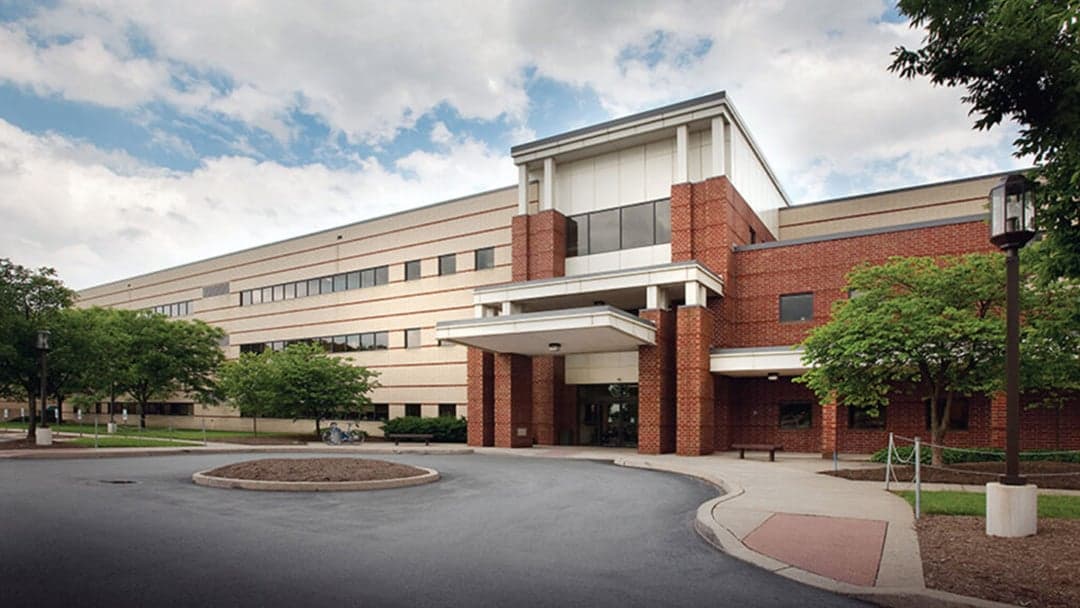
143 Hospital Drive Suite 201 State College PA 16803-5500
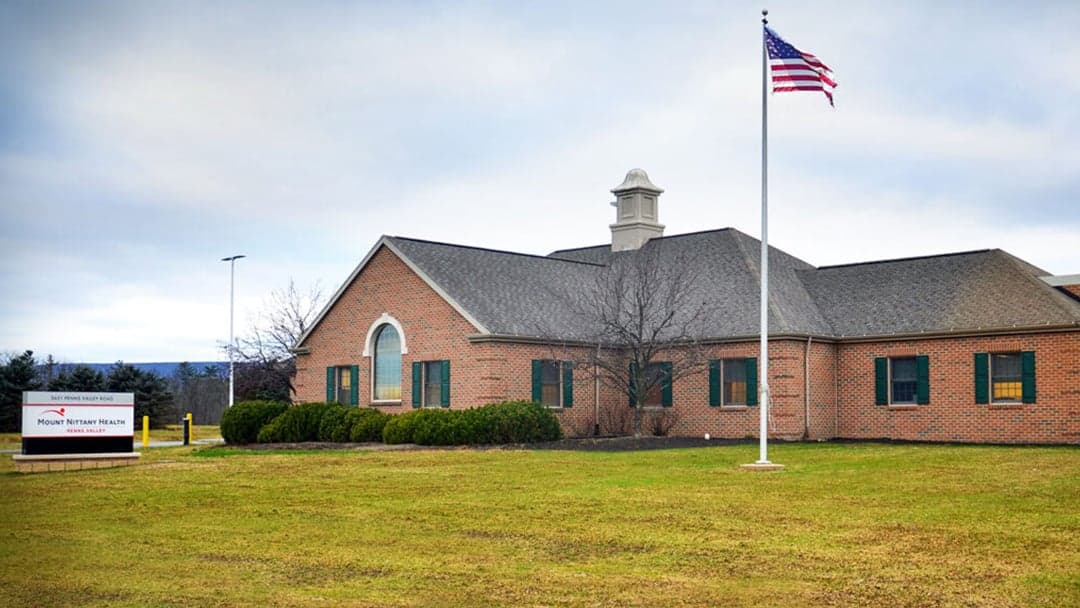
3631 Penns Valley Road Spring Mills PA 16875-8011
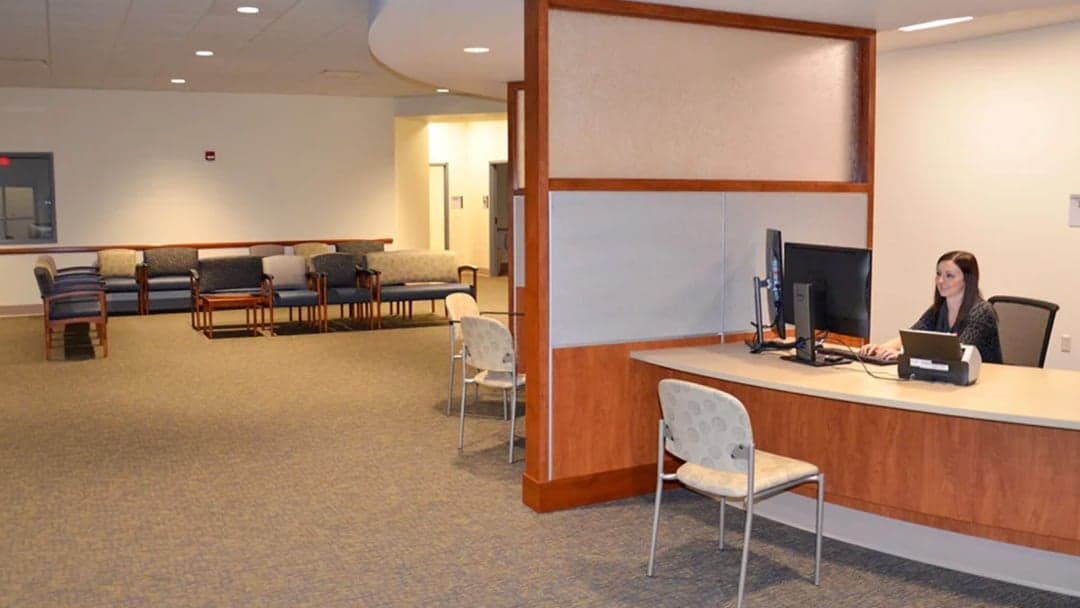
1061 N Front Street Ste 2 Philipsburg PA 16866-8257