
Renu Joshi, MD
Endocrinology
Measles screening questions are now in place at all Mount Nittany Health outpatient locations. Learn more.

Type 2 diabetes is more common than you might think, affecting millions of Americans each year. If you or a loved one has been diagnosed with it, you may feel overwhelmed, but with the right tools, knowledge and support, managing Type 2 diabetes is absolutely possible. From understanding what causes the condition to exploring treatment options, we’re here to guide you every step of the way.
Type 2 diabetes is a chronic condition that affects the way your body processes sugar, also known as glucose. Glucose is an essential energy source for your body, but when diabetes develops, your cells have trouble absorbing it properly. This happens when your body resists the effects of insulin — a hormone responsible for regulating blood sugar levels — and doesn’t produce enough insulin to meet your needs.
Here’s a quick snapshot of the condition:
Type 2 diabetes isn’t something to ignore, but it’s also not something to fear. By learning more about the condition, you’ll take the first step toward a healthier, more confident future.
Type 2 diabetes doesn’t have a single cause — it’s often the result of several factors working together. Here are the most common causes:
There are some common symptoms to look out for if you think that you or a loved one may have developed Type 2 diabetes:
If you’re experiencing these symptoms, especially in combination with any of the risk factors listed above, it’s important to talk to your doctor as soon as possible. Early detection can make a big difference in your overall health.
Managing Type 2 diabetes involves a combination of lifestyle adjustments, medical treatments and ongoing support. Let’s take a closer look at the options available at Mount Nittany Health:
When it comes to managing Type 2 diabetes, it’s not about perfection — it’s about progress. With the right combination of care and determination, you can take control of your health and feel better every day.
No matter where you are in your journey, you don’t have to do it alone. We’re committed to helping you lead a healthier, happier life. Empower yourself with knowledge, take steps toward positive change and remember — living well with Type 2 diabetes is absolutely within reach.
 Endocrinology Providers
Endocrinology
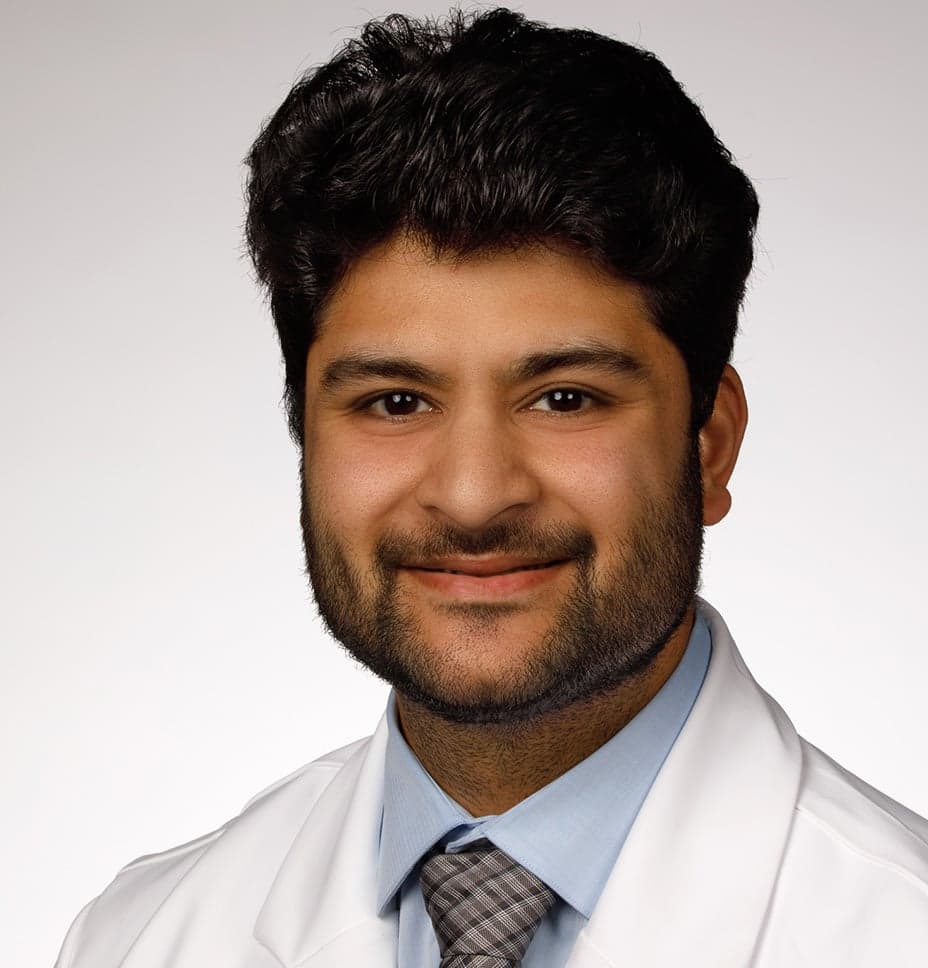
Endocrinology • Diabetes Care

Endocrinology
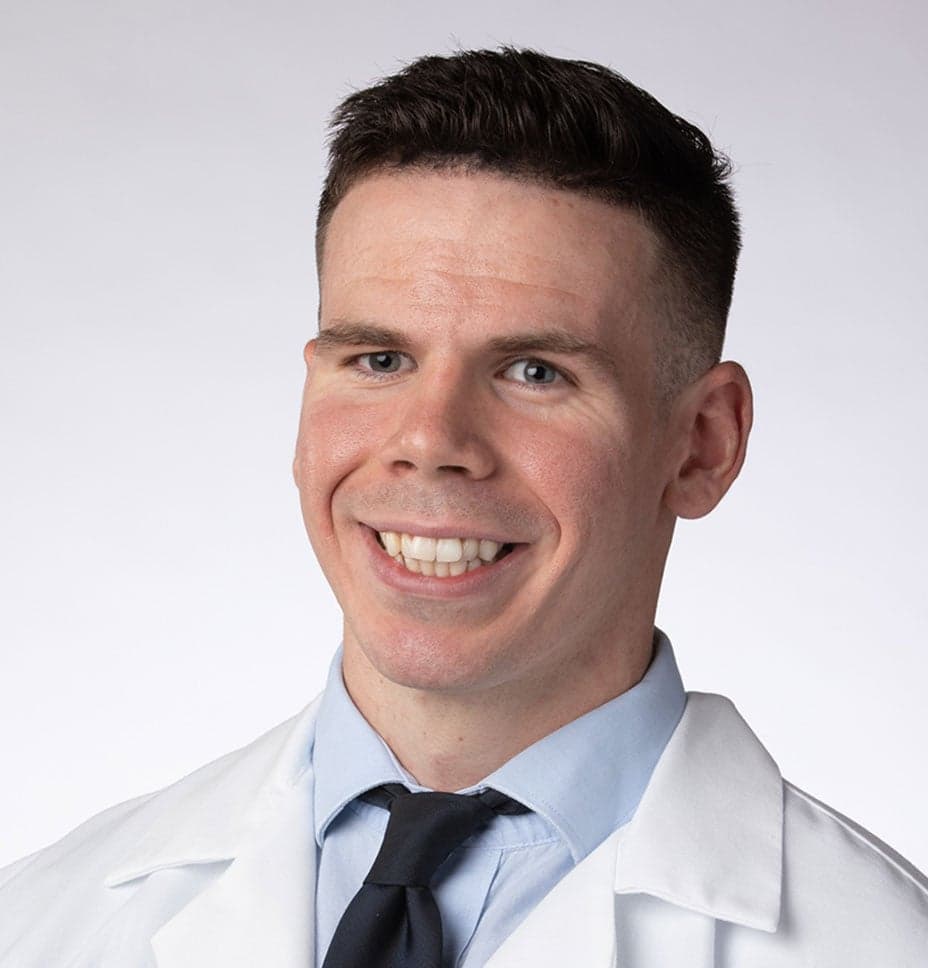
Endocrinology

Endocrinology

Endocrinology

Endocrinology • Diabetes Care
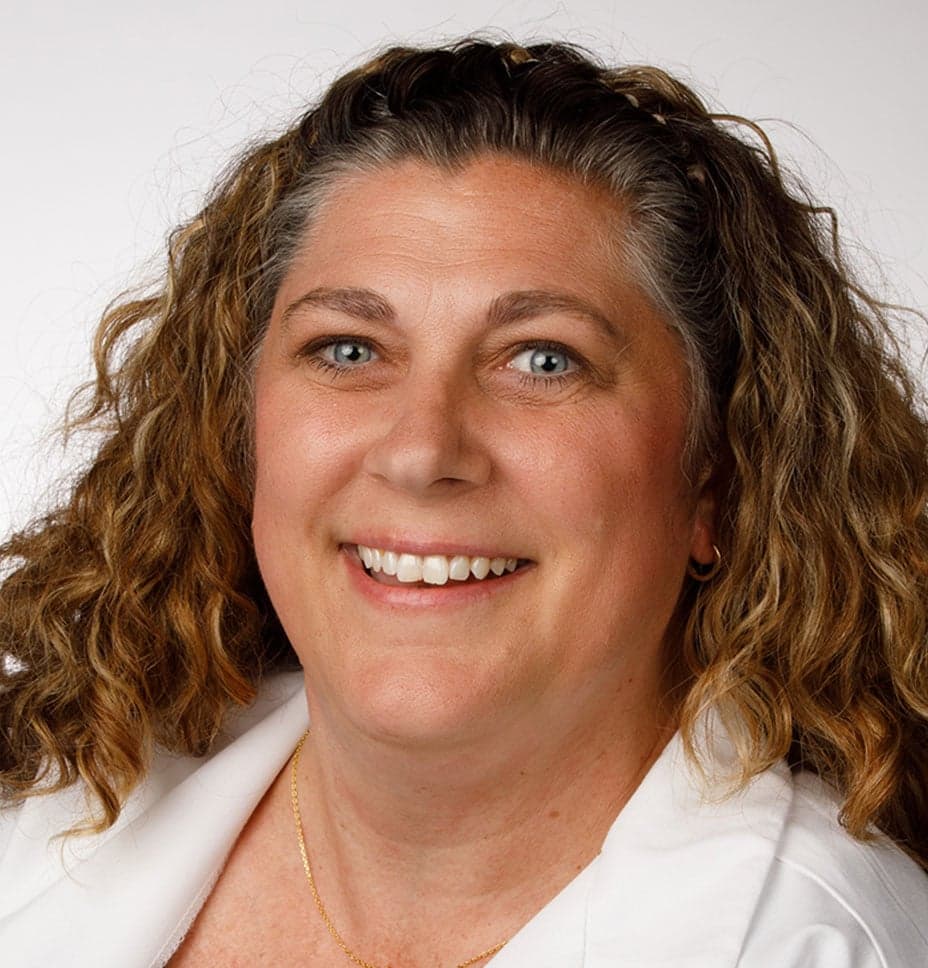
Endocrinology • Diabetes Care

Endocrinology

Endocrinology
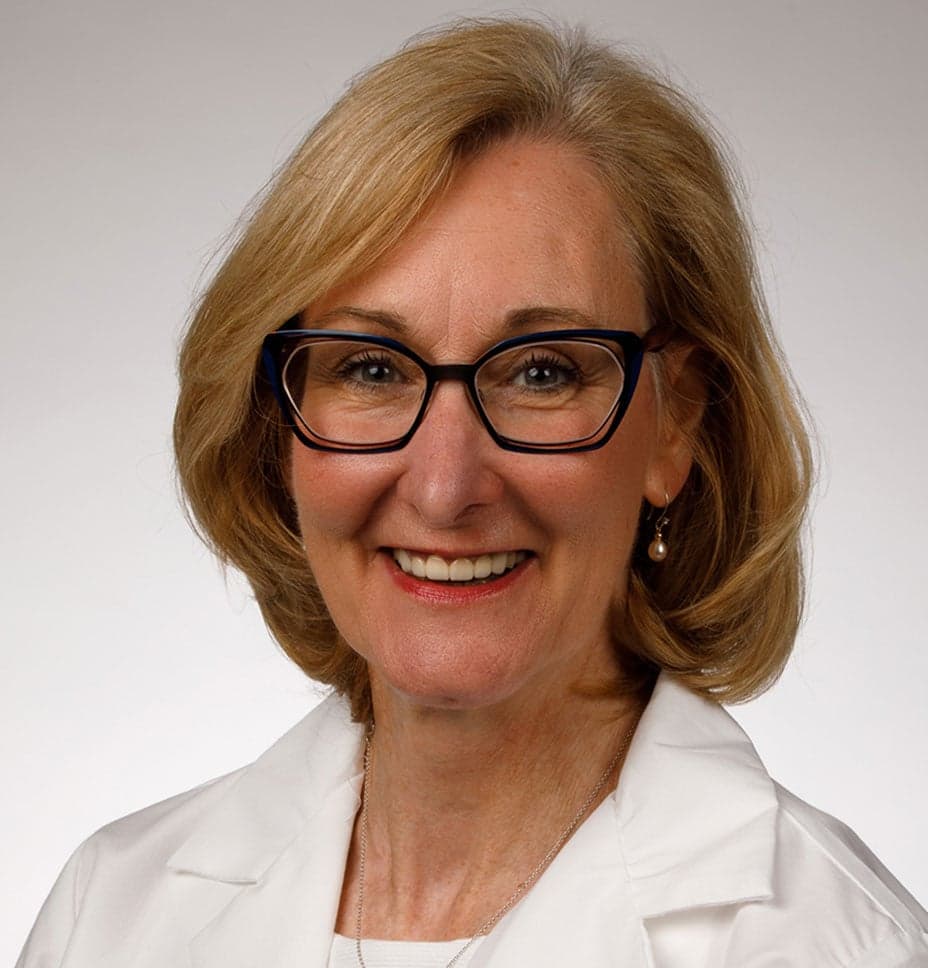
Endocrinology
 Endocrinology Locations

96 Kish Road Reedsville PA 17084-8943

3631 Penns Valley Road Spring Mills PA 16875-8011

143 Hospital Drive Suite 312 State College PA 16803-5500

1061 N Front Street Ste 2 Philipsburg PA 16866-8257

6674 Towne Center Blvd, Unit 7 Huntingdon PA 16652-6934