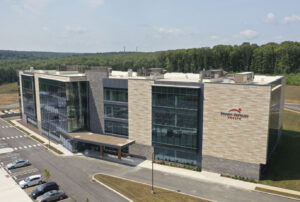






Common conditions that cause knee pain
At Mount Nittany Health, our orthopedic and sports medicine physicians offer comprehensive surgical and non-surgical treatments for the entire spectrum of knee problems, from ligament or cartilage injury to degenerative arthritis.
There are several conditions that could be the source of your knee pain, including:
- Meniscus tears or cartilage injuries
- Osteoarthritis and degenerative arthritis
- Ligament injury
- Knee bursitis
- Tendonitis
- Patellofemoral pain
Treatments for knee pain
Knee pain and limited movement can disrupt your daily life and routines. Our experts will design a personalized treatment plan to help you move with confidence again. We partner with Mount Nittany Health Fitness and Rehabilitation to integrate rehabilitation techniques and nonsurgical treatments whenever possible.
Common nonsurgical treatments include:
- Platelet-rich plasma (PRP) injections: With the use of Emcyte PurePRP, concentrated platelets are injected to promote natural healing of painful tissues and joints. This high-quality PRP system has a greater platelet yield than many other PRP kits on the market.
- Prolotherapy: A regenerative injection therapy using a sugar-water solution to stimulate the body’s natural healing response and strengthen weakened ligaments or tendons.
- TenJet or Tenex for tendinopathy: A minimally invasive procedure, completed under ultrasound guidance, that uses technology to remove damaged tendon tissue and relieve chronic tendon pain.
- Ultrasound-guided iovera: A nerve-directed treatment that uses cold therapy to block pain signals, providing relief for chronic knee pain and helping manage discomfort for upcoming knee replacement surgery.
- Steroid injections and gel shots (viscosupplementation): Injections that reduce inflammation and pain in joints, often used for arthritis or other degenerative conditions.
- Ultrasound-guided procedures: Precision-guided injections, ensuring accurate placement of medication to maximize effectiveness and minimize discomfort.
- Elizur bracing partnership: Certified bracing representatives are available in the office to ensure patients receive properly fitted braces that support recovery and mobility.
In some cases, your knee may require surgical repair. If your injury is more severe, like an ACL tear, we perform minimally invasive surgery that helps you return home in less pain and begin recovery quicker. Other knee conditions may require arthroscopic surgery performed by one of our board-certified, fellowship-trained knee specialists. Our fellowship-trained orthopedic surgeons specialize in restoring your knee’s function and mobility.
Common surgical procedures include:
- ACL reconstruction and revision
- Knee arthroscopy
- Knee preservation surgery, including cartilage restoration, meniscal transplantation and osteotomy
- Meniscal surgery
- Multiligament (PCL/MCL/LCL/PLC) repair and/or reconstruction
- Quadricep or Patellar Tendon repair
- Knee replacement surgery with the ROSA® Knee System
What is ROSA-assisted knee surgery?
We are proud to offer the latest in advanced surgical technology, including the ROSA® Robotic Surgical Assistant system for knee replacement procedures. The ROSA system is designed to provide a more precise and personalized approach to knee surgery, improving outcomes and supporting a faster recovery for our patients.
ROSA enhances the precision of each step of the surgical procedure, ensuring optimal alignment and placement of the knee implant. This advanced technology helps our surgeons create a tailored approach to your knee replacement, taking into account the unique anatomy of each patient
The ROSA system offers:
- Enhanced surgical precision
- Personalized treatment
- Minimally invasive technique
- Faster recovery times
- Improved long-term outcomes
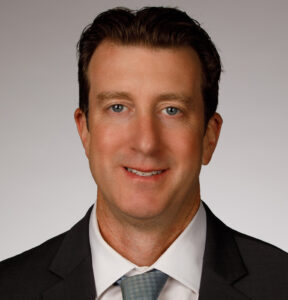
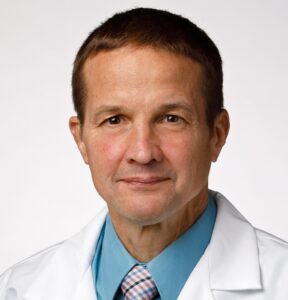
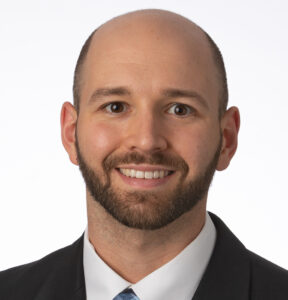
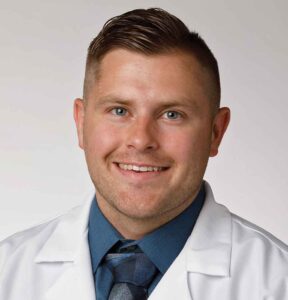
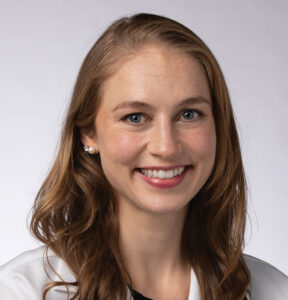
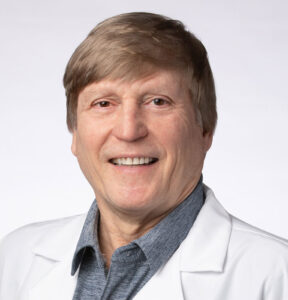
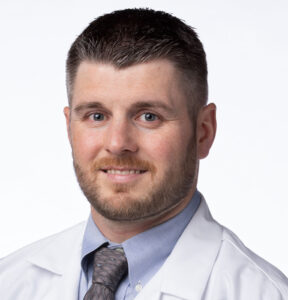
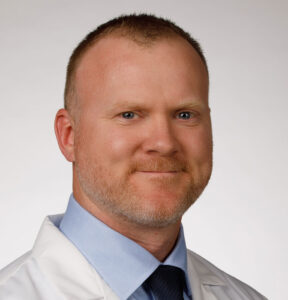
Meet our orthopedic and sports medicine doctors
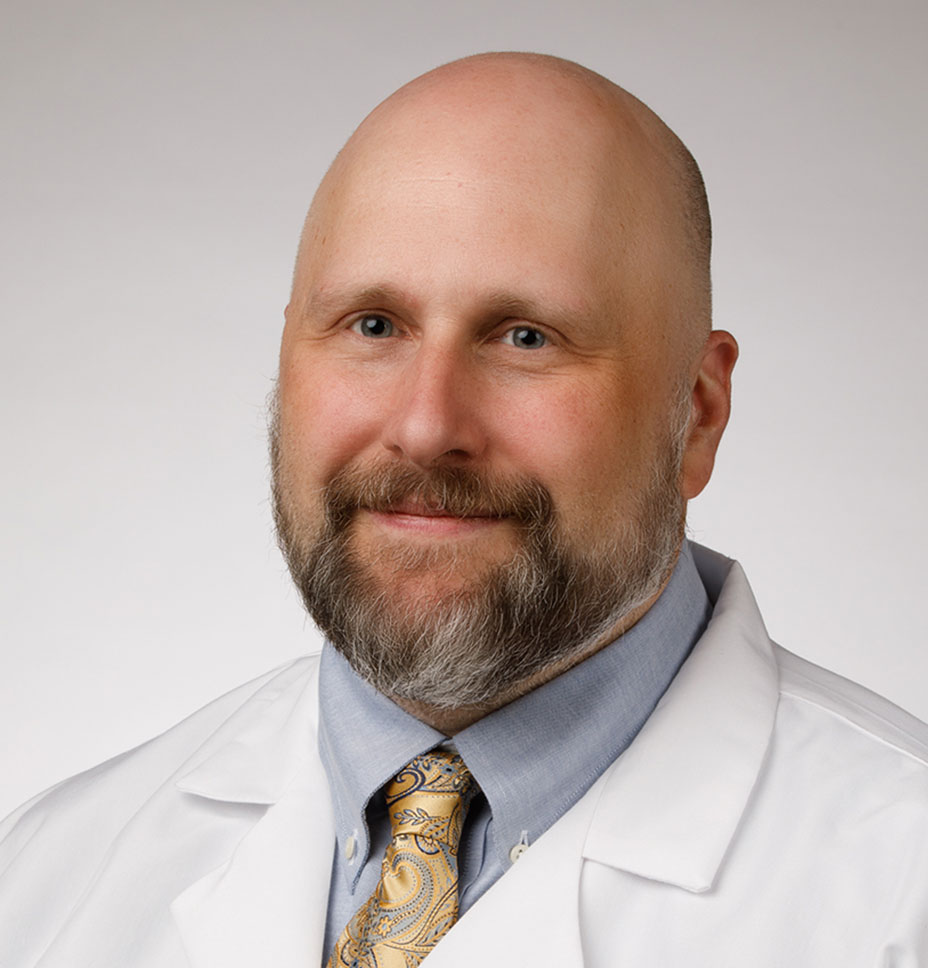
Eric Emanski, MD
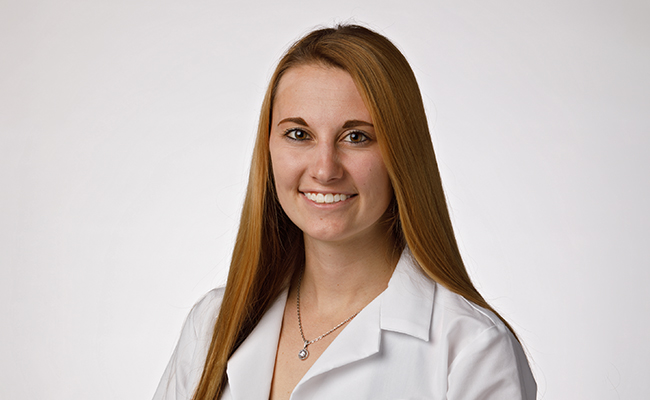
Ashley Dunkelberger, PA-C
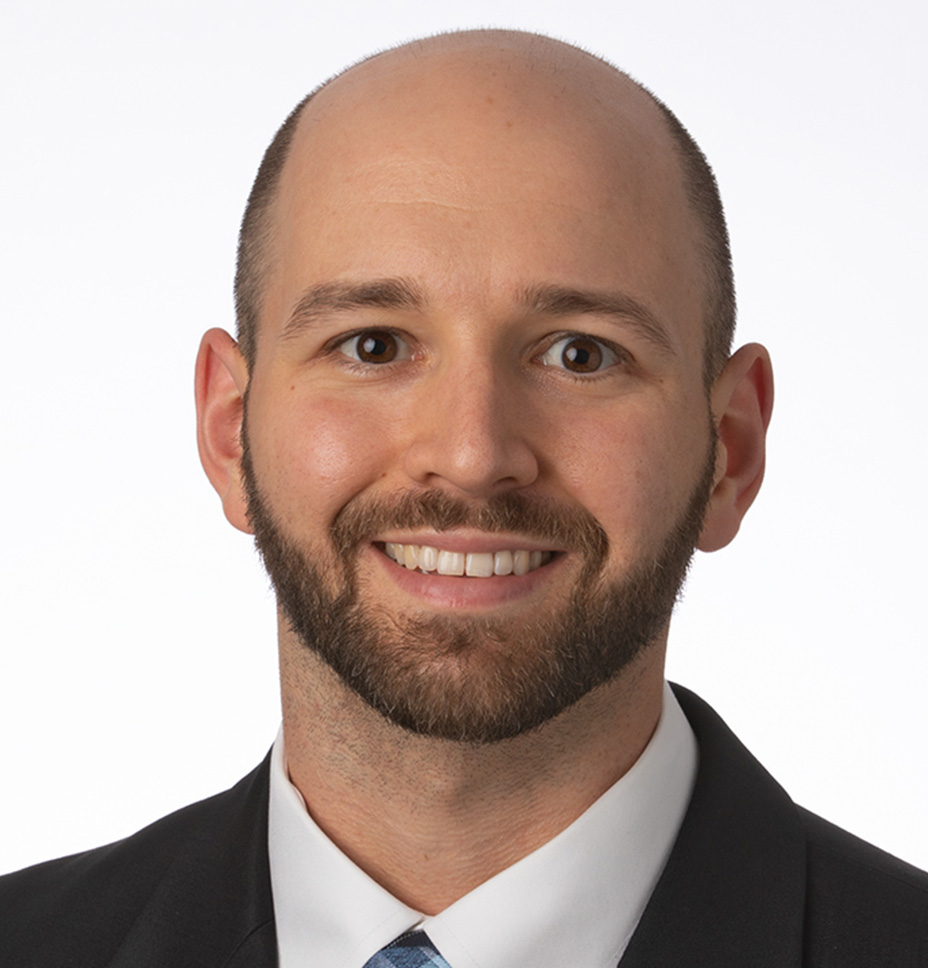
Jason Ferderber, MD
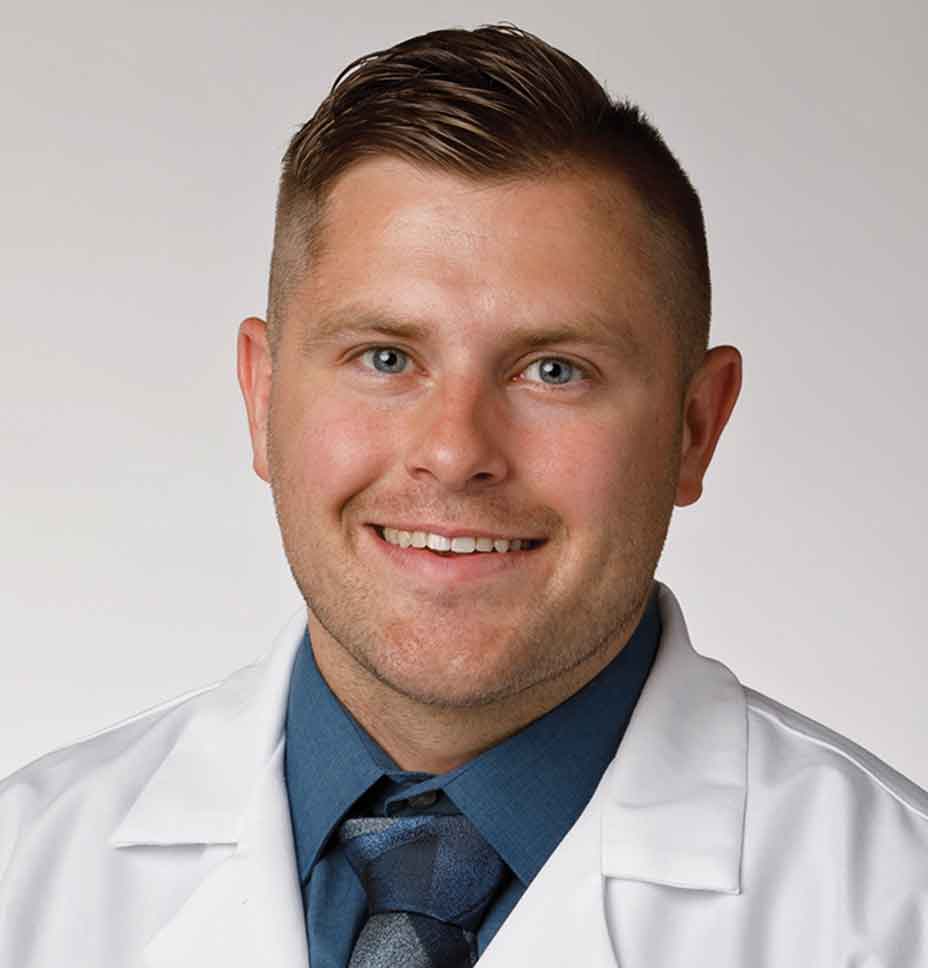
Joshua Gates, PA-C
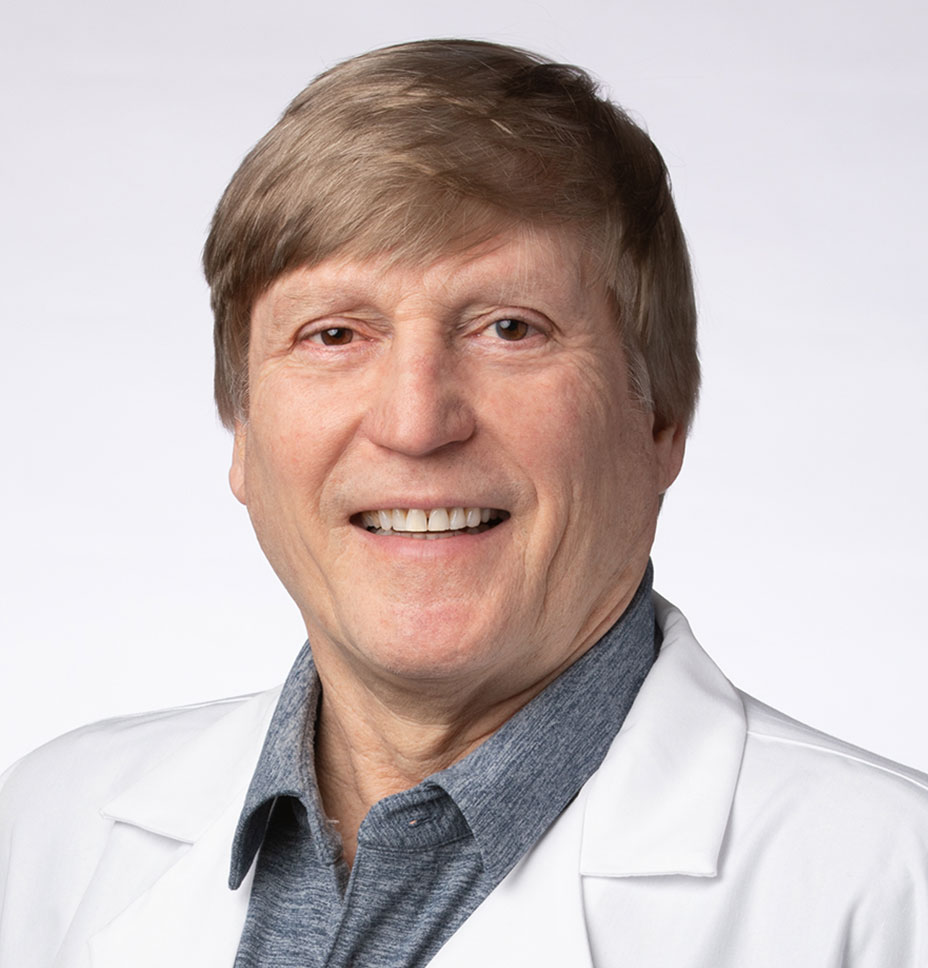
Ronald Lakatos, MD
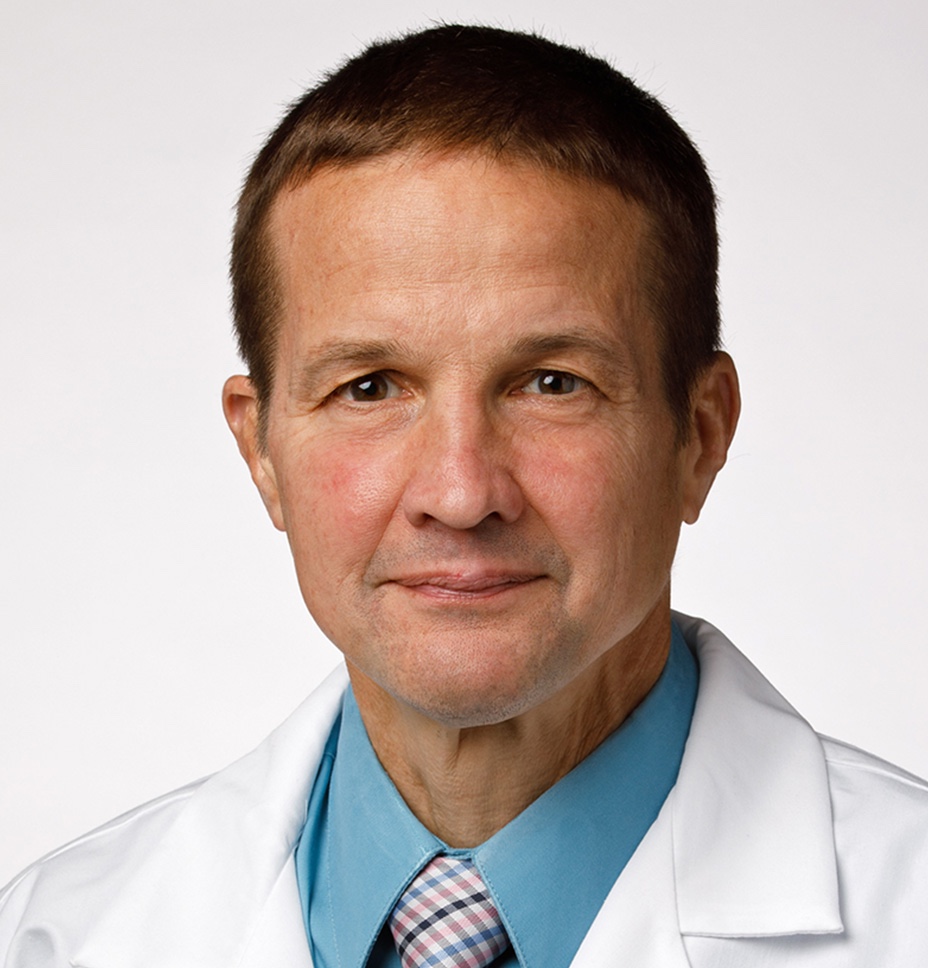
James S. Martin, MD
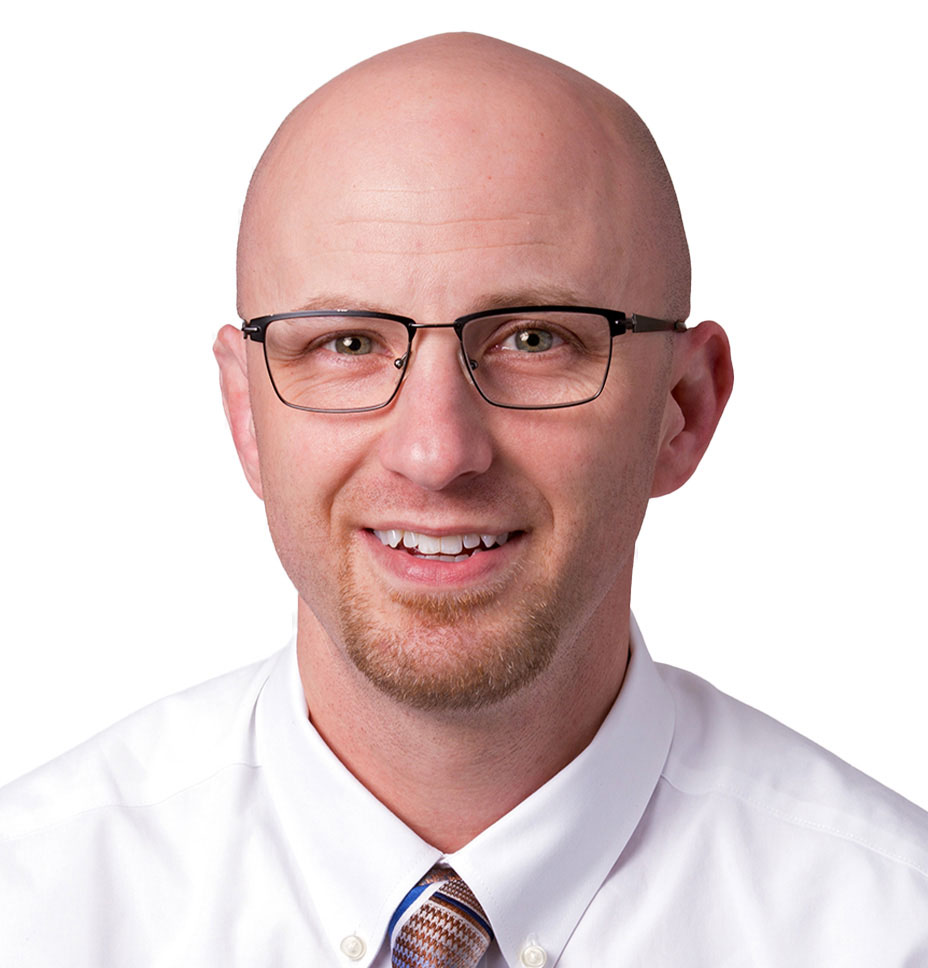
Nathaniel L. Pozniak, PA-C
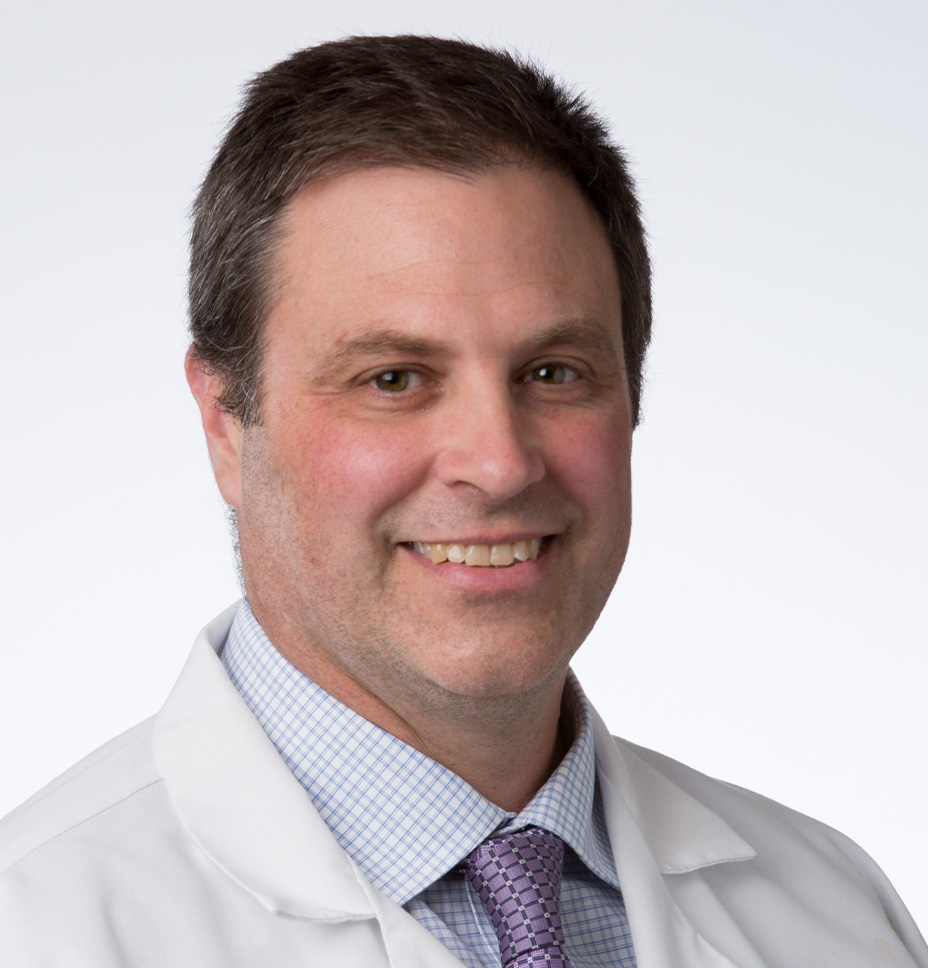
Brian Reid, PA-C
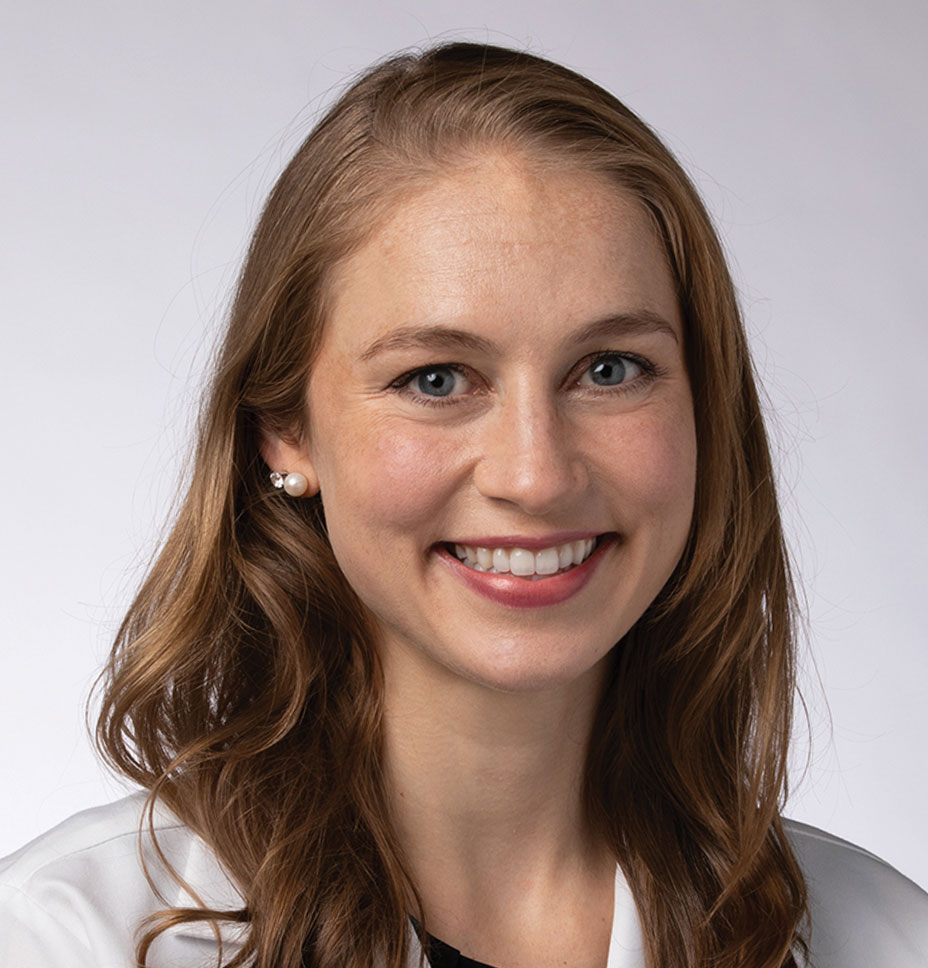
Mallory Schaffer, MD
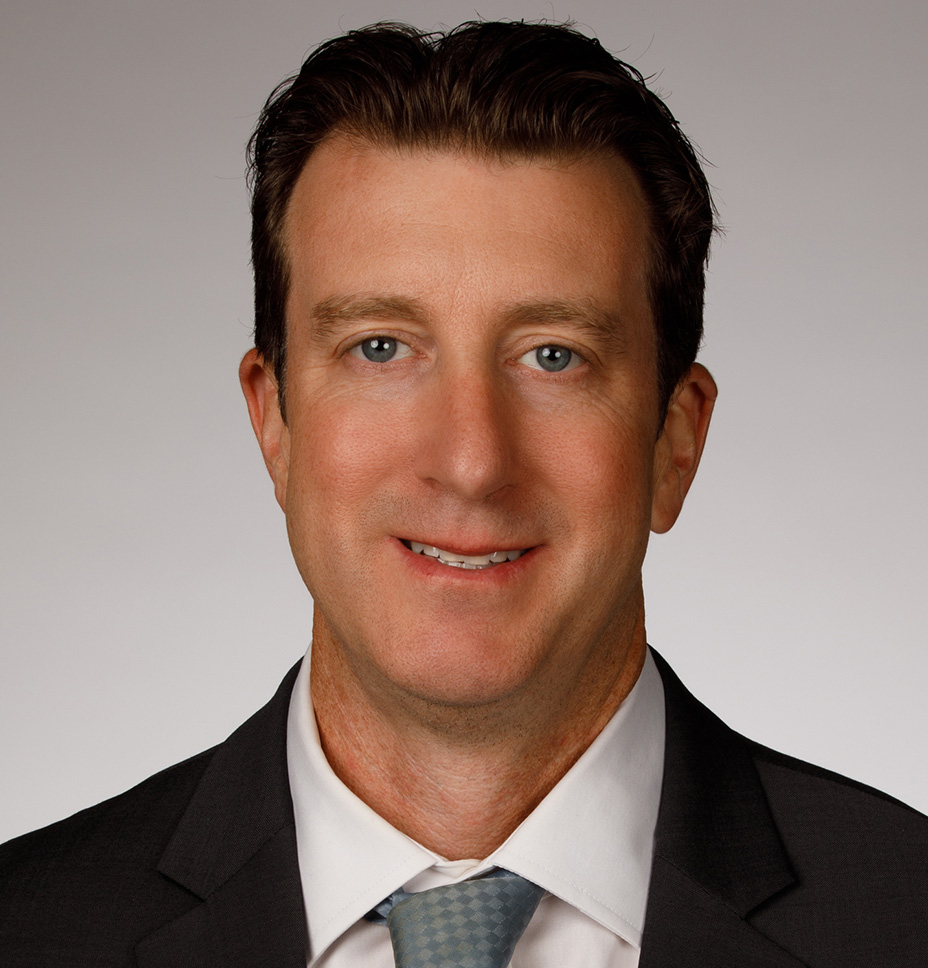
Brian A. Spencer, DO
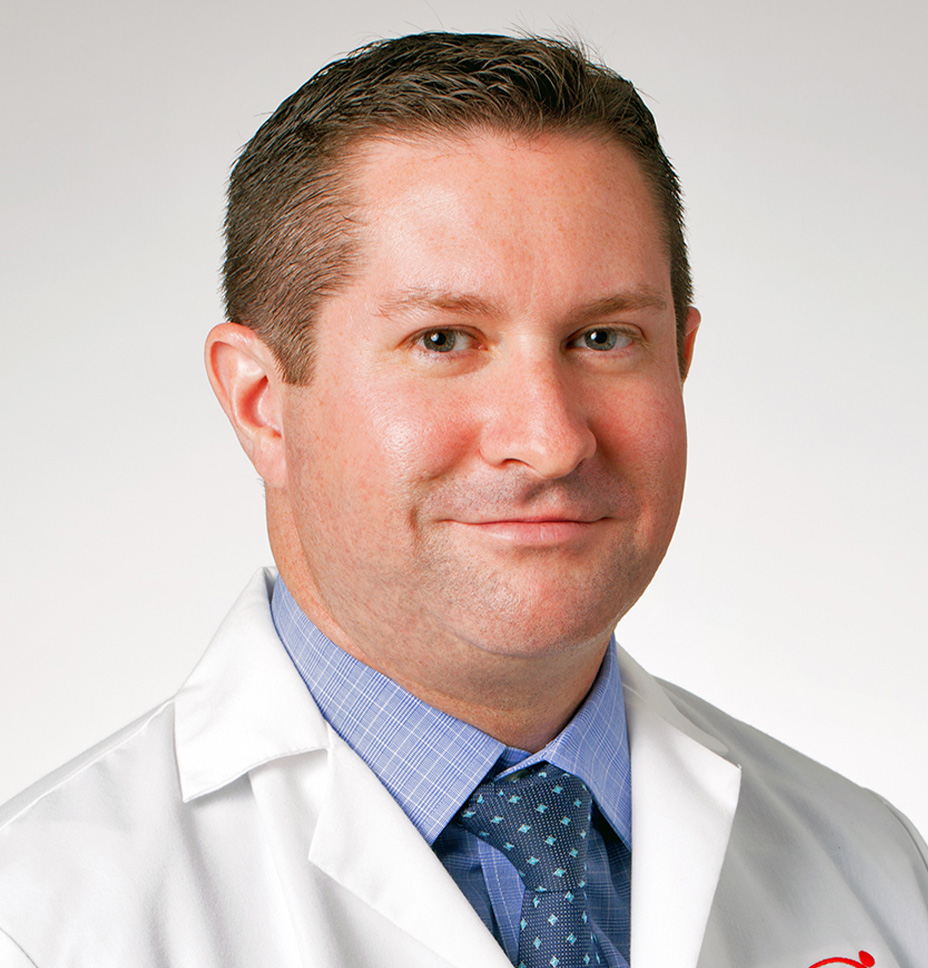
Kevin Wilson, MD
 Orthopedics and Sports Medicine Providers




 Orthopedics and Sports Medicine Locations