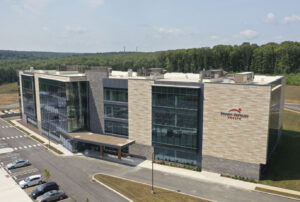






Mount Nittany Health Endoscopy
Endoscopy is a safe procedure that lets doctors see inside your digestive tract esophagus, stomach, small intestine and large intestine to better understand and treat health concerns. It’s an innovative tool that makes care more accessible and effective.
If you’re facing digestive issues, an endoscopy can help identify the cause so you can support your health and improve your quality of life.
What is an endoscopy?
Endoscopy is a medical procedure using a thin, flexible tube with a small camera at the end. Doctors use it to view internal structures, like the digestive system, which helps them find and treat medical issues. It’s a minimally invasive procedure that doesn’t require cuts, making it efficient and gentle on patients. This means you’ll experience less discomfort and shortened recovery time.
There are two main types of endoscopy based on the area being examined: upper and lower endoscopy:
- Upper endoscopy inspects the esophagus, stomach and the start of the small intestine. It helps diagnose conditions like acid reflux, ulcers or swallowing difficulties.
- Lower endoscopy, or colonoscopy and sigmoidoscopy, focuses on the lower gastrointestinal tract, including the colon and rectum. It’s commonly used to identify polyps, inflammation or other irregularities.
What diseases can be detected by an endoscopy?
Endoscopies are a key tool for timely and accurate diagnosis, ensuring you get the care you need.
- Chronic digestive issues like acid reflux and gastritis
- Stomach or intestinal ulcers
- Signs of inflammation or irritation in the digestive tract
- Abnormal growths, including polyps or tumors
- Causes of unexplained symptoms like persistent nausea or bleeding
Who can benefit from an endoscopy?
Endoscopy is ideal for anyone with symptoms like abdominal pain, difficulty swallowing, chronic heartburn, unexplained weight loss or changes in bowel habits. It’s especially helpful for those at risk for ulcers, gastroesophageal reflux disease (GERD) or colon polyps.
By allowing doctors to see inside your body, endoscopy can detect issues early. This helps patients take control of their health and prevent complications. If you’re seeking answers about your digestive health, talk with your primary care provider about getting a referral for an endoscopy.
How to prepare for an endoscopy
Preparing for an endoscopy is simple and improves the procedure’s effectiveness. Your healthcare provider will usually advise you to avoid eating or drinking for several hours before the procedure. This ensures a clear examination. You might also need to stop taking certain medications temporarily. Your care team will give you specific guidance based on your situation.
On the day of your appointment, you’ll receive instructions about what to wear and when to arrive. Following these will help everything go smoothly. During the procedure, a sedative will be given to help you feel calm. The medical team will monitor you closely to ensure your safety and comfort.
After the procedure, you may feel minor effects like drowsiness or bloating, but these usually go away quickly. You’ll get clear recovery instructions, including when to return to your normal diet and daily routine.
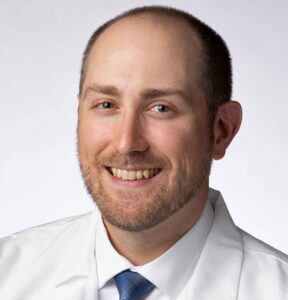
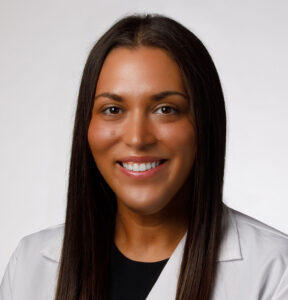
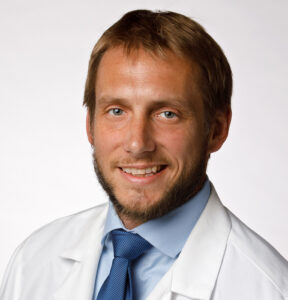
 Gastroenterology Providers



 Gastroenterology Locations