
Lifestyle and Wellness
All about fiber: Why it matters and how to increase your intake
July 24, 2026
5 min read
Fiber is a plant-based nutrient that’s important for keeping your body’s digestion running smoothly. Unlike most other carbs, fiber resists digestion in your small intestine, so it travels through your body mostly unchanged. This trait is what makes fiber so beneficial. Some fibers are fermented in the colon, producing short chain fatty acids that support gut health.
Soluble fiber can help lower LDL cholesterol and slow the absorption of glucose, helping support healthy blood sugar levels. On the other hand, insoluble fiber assists in moving food along your digestive tract, making it great for avoiding constipation and keeping things regular.
Diets high in fiber are associated with a lower risk of heart disease, Type 2 diabetes, colorectal cancer and some gastrointestinal conditions. Understanding the value of a high-fiber diet is the first step toward increasing your intake and improving your overall health.
What are the benefits of fiber?
Fiber consumption in the U.S. is a crucial topic to tackle, as a large portion of the population doesn’t get the recommended amounts.
On average, adults consume 15 grams of fiber each day. Children and adolescents, depending on age, consume between 10 and 17 grams. Current dietary guidelines recommend that women ages 19 to 30 consume 28 grams per day. For women ages 31 to 50, the recommendation is 25 to 28 grams per day. For women age 50 and older, the recommendation is 22 grams per day.
For men ages 19 to 30, current dietary guidelines recommend 34 grams per day. For men ages 31 to 50, the recommendation is 31 to 34 grams per day. For men age 50 and older, the recommendation is 28 grams per day.
A lack of sufficient fiber may result in digestive troubles and an increased possibility of chronic health problems. That’s why eating more fiber-rich foods in everyday meals is so important — it’s a significant move toward improved health and nutrition.
Luckily, there are some clear warning signs, beyond just tracking your intake, that you aren’t getting enough fiber. Possible signs of a low fiber diet include:
- Feeling bloated or constipated
- Experiencing irregular bowel movements
- Increased appetite without feeling satisfied
Increasing awareness of the benefits and sources of fiber can help you make informed dietary choices that support your overall wellness.
The main benefits of increasing fiber
Eating a balanced diet rich in fiber offers many advantages — both immediately and in the longer term — for maintaining and enhancing your health. Here are some key benefits of incorporating fiber into your daily meals:
- Heart health support: Fiber is known for its positive impact on heart health, particularly in its role in lowering cholesterol levels. Consuming foods high in soluble fiber, such as oats and beans. Soluble fiber can help lower LDL cholesterol, an important risk factor for cardiovascular disease.
- Blood sugar regulation: Fiber plays an important role in stabilizing blood sugar levels, making it a vital nutrient for those aiming to manage or reduce the risk of developing Type 2 diabetes as part of an overall healthy eating pattern.
- Satiety and weight management: High-fiber foods help you feel full after meals, which can support weight management efforts.
- Energy and gut health: Meals abundant in fiber are often rich in nutrients that boost energy levels and promote gut health. Certain soluble and fermentable fibers help nourish beneficial gut bacteria, supporting a healthy gut microbiome.
Integrating fiber-rich foods into your daily routine can lay the groundwork for a healthier lifestyle, with each meal serving as a step towards improving your well-being.
What are the best ways to increase fiber?
Increasing the amount of fiber in your diet doesn’t have to be overwhelming. With just a few easy modifications, you can enrich your meals and snacks with more fiber. Here are some practical ways to enhance your fiber consumption:
- Increase fiber gradually and drink plenty of fluids to help minimize gas and bloating.
- Opt for fiber-rich snacks like nuts, seeds or fresh fruits and vegetables.
- Replace white bread, pasta or rice with whole-grain alternatives.
- Enhance your smoothies with spinach, kale or chia seeds to boost nutrients effortlessly.
- Integrate lentils, chickpeas and black beans into soups, salads or pasta dishes for added fiber.
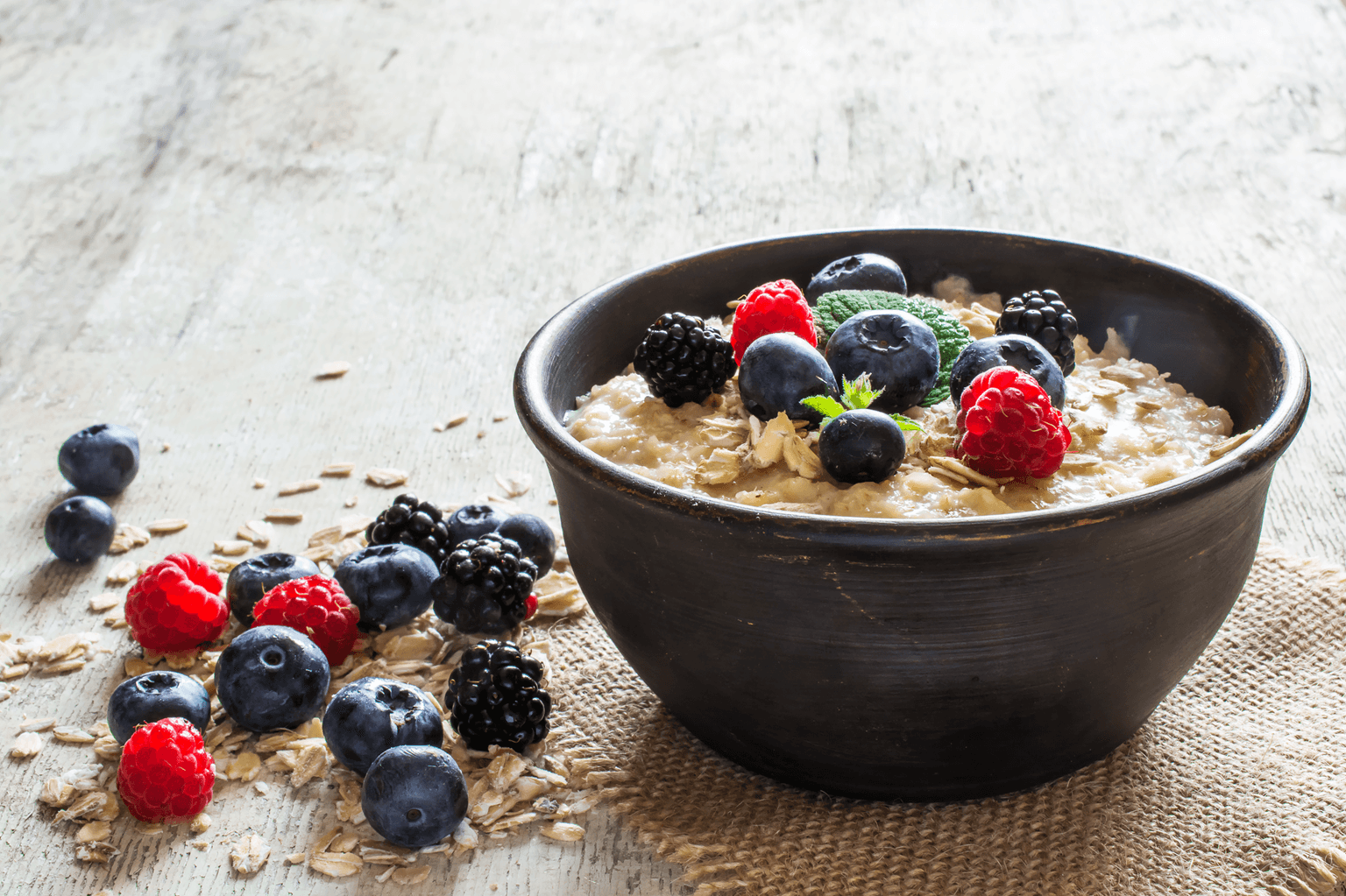
- At breakfast, choose cereals made from whole grains or sprinkle berries on oatmeal or yogurt.
- When baking, substitute whole wheat flour or incorporate ground flaxseed into your recipes.
Looking for more specifics? Here’s a shortlist of the best fiber-rich foods that you can start incorporating into your diet today:
- Legumes (like split peas and lentils)
- Black beans
- Chia seeds
- Flax seeds
- Almonds
- Avocados
- Raspberries
- Artichokes
- Oats
- Popcorn
- Edamame
- Pears
- Apples
By being conscious of your food choices and trying out new ingredients, you can gradually improve your fiber intake without needing to overhaul your entire diet.
If needed, get help with increasing your intake
Making changes to your diet can sometimes feel complicated, especially when trying to balance different nutritional needs. If you find you need more help or guidance, a registered dietitian can be a great resource in navigating these adjustments. They are trained professionals who specialize in food and nutrition, offering tailored advice to meet your unique health goals.
Whether you’re looking to increase fiber or address specific concerns like managing digestive health, a dietitian can create personalized strategies that fit your lifestyle. They can also help identify simple swaps and meal ideas to make healthy eating more accessible and sustainable.
Understanding fiber’s importance in your diet is key to achieving optimal health and well-being. With just a few small tweaks, you can make significant improvements to your health both now and in the future.