
Lifestyle and Wellness
Skin cancer 101: Self-exams and when to seek help
October 6, 2026
6 min read

Key takeaways:
1. Skin cancer is common, but early awareness makes a difference.
Skin cancer happens when skin cells grow abnormally, often because of UV exposure from the sun or tanning beds. Knowing the warning signs and what’s normal for your skin can help you catch concerns early.
2. Regular self-checks can help you spot changes sooner.
Checking your skin routinely for new spots, changing moles or sores that don’t heal is a simple but important habit. Self-checks can help you recognize unusual changes and know when it’s time to see a provider.
3. Prevention and early treatment are key.
Protecting your skin with SPF, shade and sun-safe habits can lower your risk, while early evaluation of suspicious spots can lead to more effective treatment. When needed, Mohs surgery offers a precise way to remove certain skin cancers while preserving healthy skin.
Skin cancer might sound scary, but the truth is, when caught early, it’s one of the most treatable forms of cancer. It’s also surprisingly common, which is why it’s so important to stay informed and take charge of your skin health. Knowing the basics can help you spot potential issues before they become serious.
What is skin cancer?
Skin cancer happens when skin cells start to grow abnormally, often triggered by exposure to ultraviolet (UV) rays from the sun or tanning beds. While anyone can develop skin cancer, certain factors — like having fair skin, a history of sunburns or spending a lot of time in the sun — can increase your risk.
The most common types of skin cancer include:
- Basal cell carcinoma: which often appears as a waxy bump
- Squamous cell carcinoma: which might look like a firm red nodule
- Melanoma: which is known for its dark, irregular moles and is the most deadly form of skin cancer
The good news is, paying attention to your skin and taking preventive steps can really make a difference. And you don’t need fancy equipment or special training to keep an eye on your skin.
Whether it’s a mole that’s changing shape or a spot that’s not healing, these are clues your skin might be giving you that something is amiss. It’s about noticing what’s normal for you, catching anything that seems out of the ordinary and understanding when you should seek a professional opinion.
How to perform self-checks
Doing regular self-checks for skin cancer is easier than you might think, and it’s a smart way to stay on top of your skin health. According to the American Academy of Dermatology, about half of melanomas are self-detected, which means catching changes early can make all the difference.
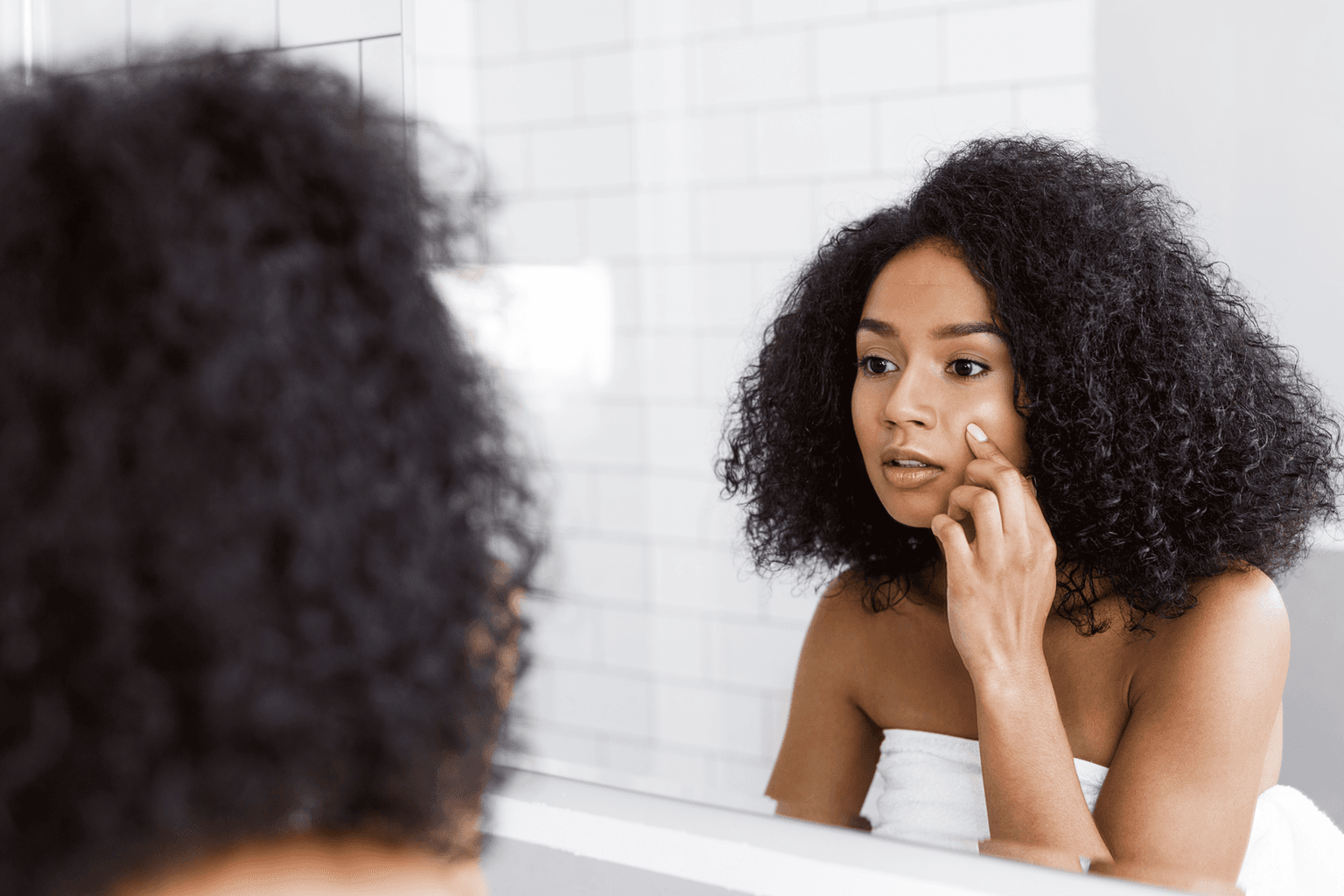
As M. Amanda Jacobs, MD, a board-certified dermatologist and fellowship-trained Mohs surgeon at Mount Nittany Health, explains, performing skin checks doesn’t need to be complicated. “To get started,” she says, “find a well-lit room with a full-length mirror. You’ll want to give yourself time to really look at your skin. Don’t forget to grab a hand mirror for those hard-to-see spots, like your back, scalp and behind your ears.”
As you check, it’s important to look closely at your moles and spots. Pay attention to any new growths or any changes in size, shape or color of existing ones. Keep an eye out for anything that doesn’t match the rest of your skin, or any sore that’s sticking around instead of healing. If you notice anything unusual, don’t brush it off.
It’s a good idea to include areas you might not think about, like the soles of your feet or between your toes. You can even ask a loved one to help check spots you might miss on your own.
Make self-checks a regular part of your routine. Knowing what’s normal for your skin will make it easier to spot anything that seems off and act quickly when needed.
When to seek professional help
If you spot something unusual during your self-checks — like a mole that’s changing shape or a sore that won’t heal — it’s time to reach out to a dermatologist or your primary care physician. They’re the experts who can assess your skin and determine if further action is needed. As Dr. Jacobs explains, “Early detection of skin cancer is vital because the five-year survival rate for people whose melanoma is detected and treated before it spreads to the lymph nodes is 99%.”
Even if you’re unsure about a spot or change in your skin, it’s always better to play it safe and schedule a visit. Your peace of mind is worth it.
Understanding surgical skin cancer removal
If your suspicious mole or spot is identified as cancer, Mohs surgery is an extremely effective outpatient treatment. Mohs surgery is specialized treatment for certain types of skin cancer, designed to be as precise as possible while preserving healthy skin. It’s particularly helpful for cancers located in sensitive areas, like the face, where minimizing damage to surrounding tissue is crucial.
Here’s how it works: the procedure is done in stages. A thin layer of skin is removed and immediately examined under a microscope to check for cancer cells. If any cancer remains, the surgeon takes another layer and repeats the process until no cancer cells are detected in the sample. This step-by-step approach ensures the cancer is removed entirely while keeping as much healthy tissue intact as possible.
One of the standout benefits of Mohs surgery is that it’s performed in real time, meaning you’ll know right away if all the cancer has been successfully removed. Another perk? It’s usually done in an outpatient setting, so you won’t need to stay overnight at a hospital.
If Mohs surgery is ever suggested as part of your treatment plan, know that it’s an innovative and effective method to tackle skin cancer while keeping your quality of life in focus.
Preventive measures for skin health
In addition to performing regular skin checks to keep an eye on skin health, protecting your skin is one of the easiest ways to lower your risk of developing skin cancer in the first place, and a few simple habits can make a big difference.
Start by being mindful of sun exposure. “Experiencing five or more blistering sunburns between ages 15 and 20 can increase melanoma risk by 80% and nonmelanoma skin cancer risk by 68%,” says Dr. Jacobs. “Since the majority of melanoma cases are due to UV exposure, make sunscreen your best friend. Choose one with at least SPF 30 and apply it generously — even on cloudy days.” Further, you should pair sunscreen with protective clothing like hats, sunglasses and long sleeves, especially during peak sun hours, which are from about 10:00 a.m. to 4:00 p.m.
Don’t forget about everyday skincare, either. Staying hydrated and moisturizing regularly keeps your skin healthy and resilient. When outdoors, seek shade whenever possible, and skip tanning beds altogether — they’re a major source of UV radiation.
These small adjustments in your routine can add up to big benefits for your skin. Prevention isn’t just about avoiding problems; it’s about making choices that keep you looking and feeling your best. By taking these steps, you’re investing in the long-term health of your skin and your overall well-being!