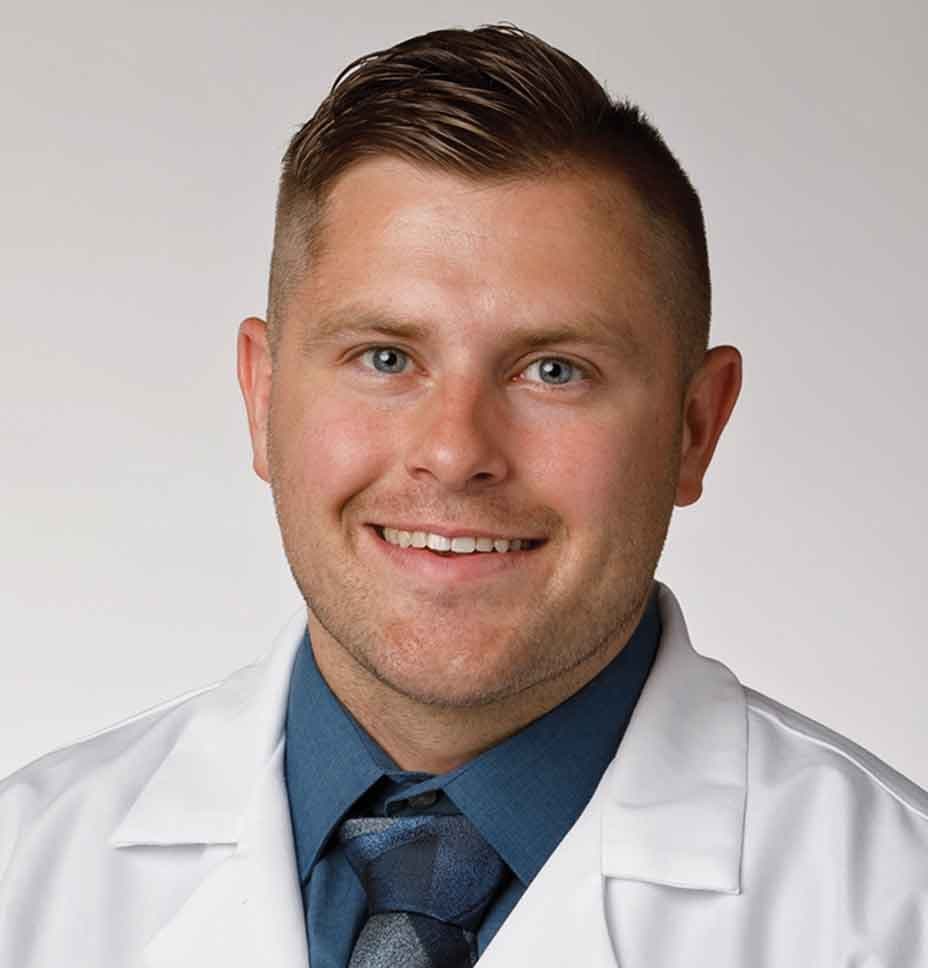
Joshua Gates, PA
Orthopedics and Sports Medicine
Measles screening questions are now in place at all Mount Nittany Health outpatient locations. Learn more.

Orthopedics Sports Medicine
Get help managing your psoriatic arthritis symptoms
Affecting approximately 125 million people globally, psoriasis is one of the most common autoimmune diseases in the world. In the U.S., it’s estimated that around 8 million people have the condition.
On its own, psoriasis is uncomfortable and even painful, and it often poses emotional challenges as well as physical ones. For some patients, though, the story doesn’t end there. Around 30% of all psoriasis patients additionally develop psoriatic arthritis. Less commonly, psoriatic arthritis can also affect individuals who don’t display any visible symptoms of psoriasis.
Psoriatic arthritis is an inflammatory condition in which the immune system mistakenly attacks healthy joints and skin cells. This leads to joint inflammation and the rapid buildup of skin cells that form scaly, red patches commonly associated with psoriasis.
Symptoms of psoriatic arthritis can vary widely but often include joint pain, swelling, stiffness (especially in the morning) and changes in the nails such as pitting or separation from the nail bed. Some patients may also experience swelling of entire fingers or toes (sometimes referred to as “sausage digits”) and inflammation in areas where tendons and ligaments attach to bones. Other signs of psoriatic arthritis include fatigue, rashes, back pain and inflammation of the eyes.
To see a specialist for psoriatic arthritis, talk with your primary care provider. They can give you a referral to be evaluated.
Psoriatic arthritis can present in several different forms, depending on which joints are affected and how symptoms develop. Some are more severe, but all should be taken seriously. Without proper treatment, even mild cases of psoriatic arthritis can result in permanent damage.
Common types of psoriatic arthritis include:
There is currently no known cure for psoriatic arthritis. Most psoriatic arthritis treatment focuses on reducing inflammation, relieving symptoms and preventing joint damage. Mount Nittany Health’s orthopedic specialists will work with you to develop a plan tailored to your needs and lifestyle.
Your treatment for psoriatic arthritis may include the following:
Receiving a psoriatic arthritis diagnosis can feel overwhelming. However, with the right care and ongoing symptom management, many people with psoriatic arthritis continue to lead active, happy, healthy lives. If you’re experiencing psoriatic arthritis symptoms, don’t wait to seek care. Our team can help you manage your condition, foster long-term joint health and find relief from pain and discomfort.
 Orthopedics and Sports Medicine Providers
Orthopedics and Sports Medicine

Orthopedics and Sports Medicine

Orthopedics and Sports Medicine

Orthopedics and Sports Medicine

Orthopedics and Sports Medicine

Orthopedics and Sports Medicine

Orthopedics and Sports Medicine • Primary Care

Orthopedics and Sports Medicine

Orthopedics and Sports Medicine
 Orthopedics and Sports Medicine Locations
164 Greenview Drive Suite 200 State College PA 16803-2106