Find Provider Providers Find Locations Locations Care Services Services Patients Patients
Wound Care

Venous leg ulcers

Get the expert care you need to heal venous leg ulcers

Call 814.231.7868 for an appointment
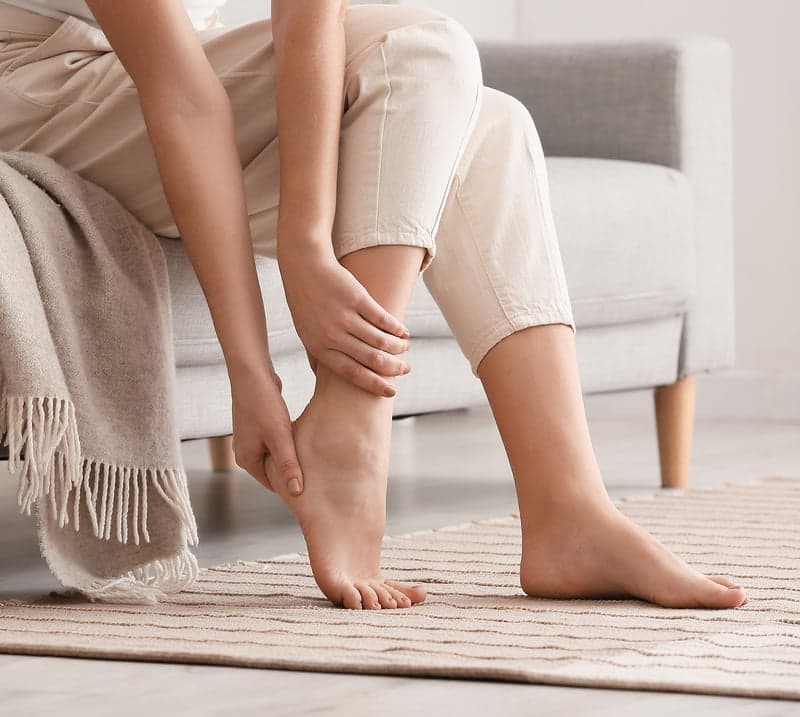
A woman rubs leg while sitting on a couch

Venous leg ulcers are a common and challenging condition that can affect anyone, particularly those with underlying vein issues. These wounds are often slow to heal and can cause discomfort, but with the right knowledge and care, they can be managed effectively.

What is a venous ulcer?

A venous ulcer, also known as a venous leg ulcer or venous stasis ulcer, is a type of wound that develops when the veins in the legs don’t circulate blood properly. This often happens due to chronic venous insufficiency, where vein valves don’t work as they should, leading to blood pooling in the lower legs. The increased pressure can cause skin breakdown and slow-healing sores, typically on the lower legs or ankles. Unlike arterial ulcers — which result from poor blood flow in the arteries and often appear on the feet or toes — venous ulcers are caused by problems with the veins and usually occur higher on the leg.

Recognizing and addressing them early can prevent complications and promote healing.

Causes and symptoms of venous leg ulcers

Venous leg ulcers typically develop when circulation in the veins of the legs becomes impaired. Some of the most common underlying factors that contribute to their formation include:

  • Chronic venous insufficiency: Vein valves don’t close properly, causing blood to flow backward and pool in the legs.
  • Deep vein thrombosis: Blood clots in deep veins can damage vein walls and lead to poor circulation.
  • Varicose veins: Enlarged veins increase the risk of blood pooling and skin damage.
  • Obesity: Excess weight can put additional pressure on leg veins, affecting blood flow.
  • Leg injuries: Trauma to the legs can weaken the skin and underlying tissue, making ulcers more likely.

They often present with noticeable changes in the skin and surrounding tissue. These symptoms may indicate the presence or early development of an ulcer:

  • Swelling in the lower legs or ankles: Persistent swelling may indicate poor circulation.
  • Itching, burning or pain: These sensations are common around the ulcer site.
  • Discolored or hardened skin: The skin may appear reddish-brown or feel thick and tough due to poor blood flow.
  • Open sores with uneven edges: Venous ulcers are often shallow wounds with irregular shapes, usually located on the lower legs.
  • Drainage or fluid leakage: Ulcers may ooze clear or yellowish fluid as part of the body’s inflammatory response.

Diagnosing venous leg ulcers

Diagnosing venous ulcers involves a thorough evaluation of symptoms, medical history and circulation. Common diagnostic tools include:

  • Physical examination: A healthcare provider assesses the wound and surrounding skin for signs of venous disease.
  • Doppler ultrasound: This noninvasive test checks blood flow in the veins to identify blockages or poor circulation.
  • Ankle-brachial index: This test measures blood pressure in the legs compared to the arms to rule out other conditions, like arterial disease.
  • Blood tests: Lab work can identify underlying conditions, such as infection or clotting disorders.

Treatments for venous leg ulcers

The good news is that venous ulcers are treatable, especially with early intervention. Common treatment options include:

  • Compression therapy: Specially designed stockings or bandages apply pressure to improve blood flow and reduce swelling. This is considered the best treatment option for venous leg ulcers.
  • Wound care: Proper cleaning and dressing of the ulcer promotes healing and prevents infection.
  • Medications: Antibiotics may be prescribed if an ulcer becomes infected, while other medications can address underlying vein issues.
  • Surgical interventions: Procedures like vein ablation or bypass surgery may be necessary for severe cases.
  • Lifestyle modifications: Elevating legs, exercising regularly and maintaining a healthy weight can help improve circulation and prevent recurrence.

Preventing venous leg ulcers

Preventing venous ulcers focuses on improving vein health and avoiding factors that can damage the skin. Steps you can take include:

  • Wear compression stockings: These help improve blood flow and prevent swelling in the legs.
  • Keep active: Regular exercise, like walking, promotes healthy circulation and strengthens the leg muscles.
  • Elevate your legs: Raising your legs above heart level several times a day can reduce swelling and improve blood flow.
  • Maintain a healthy weight: Reducing excess weight takes pressure off your veins and helps prevent vein problems.
  • Take care of your skin: Keep skin moisturized to prevent cracking and treat minor wounds promptly to avoid complications.

Don’t let venous leg ulcers limit your life. Our specialists provide advanced treatment that promotes healing and prevents recurrence. Call today to schedule your consultation and take the first step toward pain-free, healthier legs.