




Wound Care
Supporting safer healing and a healthier you
Mount Nittany Health is dedicated to helping patients recover and improve their quality of life through advanced wound care services. Wounds, whether acute or chronic, require specialized attention to heal properly, and our team provides personalized treatment plans that prioritize patient well-being, accessibility and innovation.
Wound care at Mount Nittany Health
Chronic wounds and other complex injuries can affect daily life, causing discomfort, limited mobility and potential complications. Our wound care program is designed to address these challenges with advanced technology and a compassionate approach.
We are proud to offer these services in our community, giving patients access to high-quality care close to home. We treat conditions and injuries including:
- Trauma
- Burns
- Diabetic ulcers
- Drug or disease induced wounds
- Ischemic (arterial) wounds
- Post-surgery wounds
- Pressure injuries
- Radiation injury
- Venous (leg) ulcers
- Any other non-healing wounds anywhere on your body
Wound care treatments and services
At Mount Nittany Health, we believe care should be accessible to everyone. Our wound care program combines advanced technology with a community-first mindset to ensure each patient receives treatment tailored to their needs.
Treatment options that may be considered include:
- Compression therapy: A treatment that uses specialized bandages or garments to apply controlled pressure to the legs or affected area. This pressure helps reduce swelling, improve blood flow and support the healing of venous leg ulcers and other circulation‑related wounds.
- Orthotics: Custom or pre‑fabricated inserts, braces or footwear designed to relieve pressure on vulnerable areas of the foot. Orthotics help redistribute weight, protect wounds — especially diabetic foot ulcers — and prevent further injury during the healing process.
- Debridement: A procedure that removes dead, damaged or infected tissue from a wound. Clearing away unhealthy tissue promotes healthy cell growth, reduces the risk of infection and allows the wound to heal more effectively.
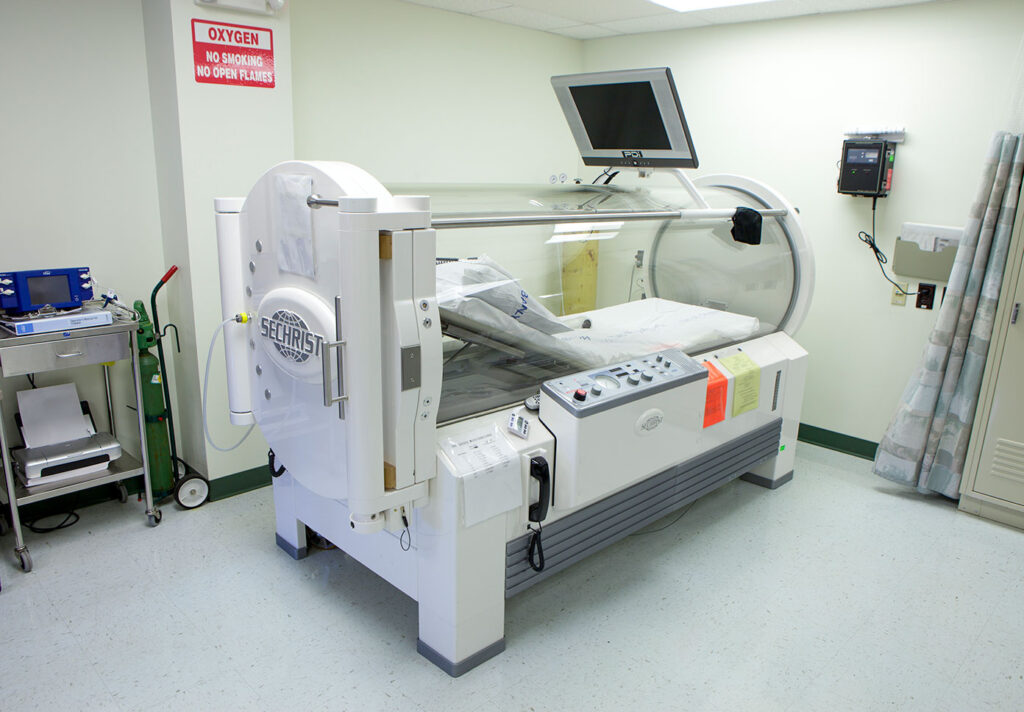
- Hyperbaric oxygen therapy: A procedure where you breathe 100% pure oxygen while reclining in a pressurized chamber. The high dose of oxygen to the bloodstream and to the wound bed speeds up the healing process, stimulates growth of new blood vessels and improves circulation.
- Laboratory evaluation and wound cultures: Testing that identifies bacteria or other organisms present in a wound. These evaluations help determine the most effective treatment plan, including targeted antibiotics or other therapies to control infection and support healing.
- Skin substitutes: Advanced biologic or synthetic materials applied to the wound to replace or support damaged skin. These substitutes help protect the wound, encourage new tissue growth and promote faster, more complete healing.
- Vascular evaluation: An assessment of blood flow to determine whether circulation issues are affecting wound healing. This evaluation helps identify underlying vascular conditions and guides treatment decisions to improve blood supply to the wound.
- Wound VAC therapy: A treatment that uses negative pressure (suction) applied through a sealed dressing to remove excess fluid and promote tissue growth. This therapy helps the wound heal from the bottom up draw the edges of the wound together, reduces swelling and supports faster healing.
What to expect during treatment
When you choose Mount Nittany Health for wound care, you can expect a thorough, supportive process designed to promote healing. During your first visit, our providers and certified nurses will conduct a detailed assessment of your wound and overall health to create a customized treatment plan.
Our care approach includes:
- Initial evaluation: A review of your medical history, medications and lifestyle factors.
- Advanced diagnostics: Imaging and other tools may be used to assess the wound and identify underlying causes.
- Individualized care plans: We combine the latest medical innovations with practical treatments to support effective healing.
- Patient education: We provide guidance on wound care, lifestyle changes and preventive measures to help avoid future complications.
 Wound Care Providers

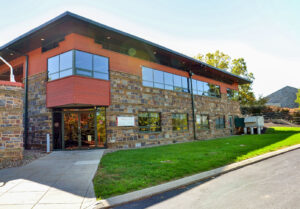
 Wound Care Locations